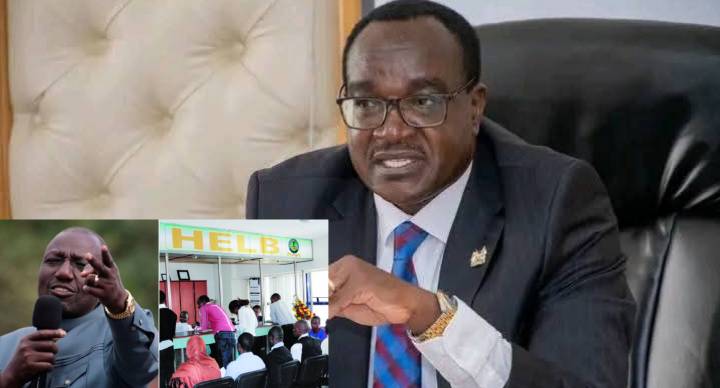
The government has disbursed Sh1.56 billion to university students and Technical and Vocational Education and Training (TVET) trainees for tuition and upkeep through the Higher Education Loans Board (HELB), following a directive last Wednesday from President William Ruto.
In a statement on Tuesday, March 18, Education Cabinet Secretary Julius Ogamba confirmed that HELB had disbursed the funds on Friday, March 15. He noted that a total of 31,263 TVET trainees and 33,863 university students would benefit from the allocation.
“On Friday, HELB disbursed Sh1.56 billion to students and trainees for tuition and upkeep. The beneficiary students and trainees have since been notified of the disbursements through HELB's official communication channels and advised to check their HELB portals,” Ogamba said.
According to the Ministry of Education, the latest disbursement brings the total amount allocated in the 2024/2025 financial year to Sh32.7 billion. So far, 195,522 TVET trainees and 390,612 university students have received financial assistance.
Ogamba reiterated that the funding would ensure students and trainees continue with their academic, training and research programmes without interruption.
“The provision of this funding will ensure that student and trainee needs are met, enabling them to focus on their studies without financial strain,” he said.
He reaffirmed that the government is committed to supporting higher education by ensuring timely disbursements to students and trainees pursuing their academic and training goals.
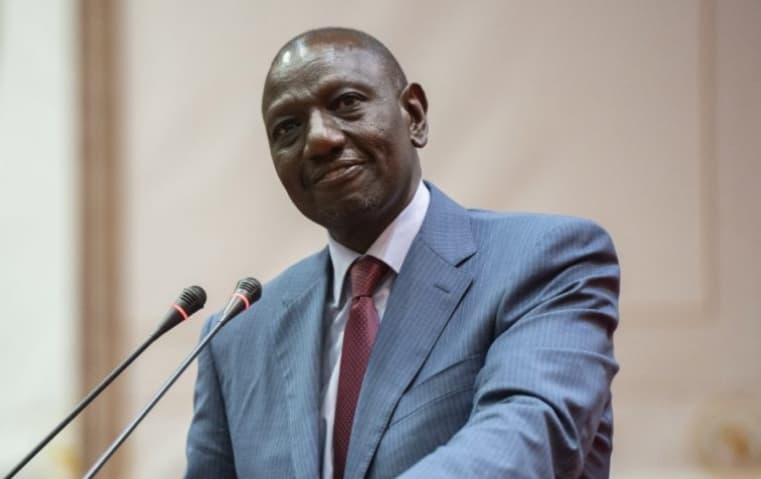
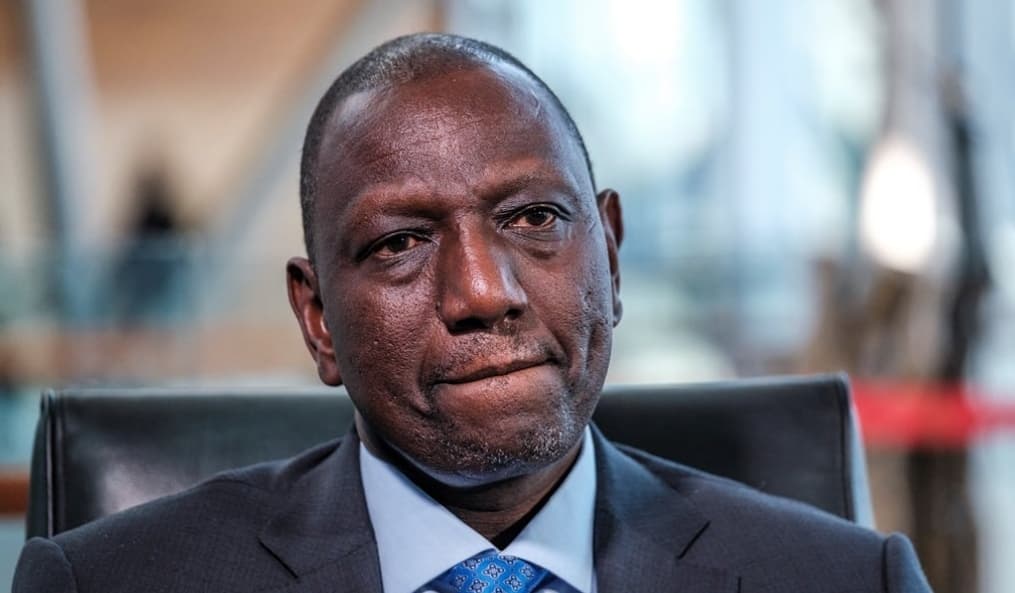
Last Wednesday, Speaking in Dagoretti South, Ruto acknowledged the financial challenges facing HELB and directed the Head of Public Service to ensure the issues were resolved promptly.
He even joked that students should call him if the money had not hit their accounts by the end of the week.
“I know there have been some delays, but I have asked the Head of Public Service to sort this issue immediately. If the money is not in your accounts by Friday, call me. There are some people I am going to take action against,” Ruto said.
Meanwhile, A report by Auditor-General Nancy Gathungu has exposed gaps that have left many students struggling to access funds, raising serious questions about the system’s viability.
The new higher education funding model, introduced to ensure financial aid reaches students based on need, has come under scrutiny after an audit revealed deep-seated inefficiencies and management flaws.
The audit of the Universities Fund accounts as of June 30, 2024, shows that critical institutions handling student financial aid, including the Higher Education Loans Board (HELB) and the Technical and Vocational Education and Training (TVET) department are not working in coordination.
This disconnect has made it difficult to track students throughout their academic journey.
The new funding model rolled out under President William Ruto’s administration was intended to ensure fairness by classifying students into financial bands based on their economic background.
However, the audit found that the means testing instrument used to assess students was flawed due to inaccurate data submitted by applicants, leading to miscalculations in aid distribution.
“There is no coordination between the other government agencies dealing with higher education students’ support,” Gathungu stated.
One of the major weaknesses highlighted in the report is the lack of integration between the funding model and the Kenya Universities and Colleges Central Placement Services (KUCCPS) system.
Without a proper link, some students have received funds despite not being officially placed in universities, while others have been omitted due to missing or duplicated registration numbers.
Gathungu further revealed that scholarships were paid to students who had deferred their studies, failed to report to school or had been expelled. This has raised concerns about the system’s ability to fairly allocate funds.
“As such, the effectiveness of control over scholarship management processes could not be confirmed,” the report reads.
Another pressing issue is the lack of awareness about the funding model. The audit revealed that many students, especially those in marginalised regions, were unaware of how to apply for financial aid, limiting their chances of benefiting from the scheme.
Inclusivity has also emerged as a concern. The report says that students with disabilities and those from remote areas have faced difficulties accessing funds.
Muslim students requiring Sharia-compliant financial options have also encountered obstacles, raising questions about the system’s fairness.
“There were also emerging concerns on unique challenges, such as those faced by Muslim students who require Sharia-compliant financial products, further hindering inclusivity,” Gathungu noted.
Beyond these issues, the audit warns that the sustainability of the fund is at risk due to low repayment rates. Many graduates, struggling with unemployment and underemployment, are unable to repay their loans, increasing the risk of financial collapse for the programme.