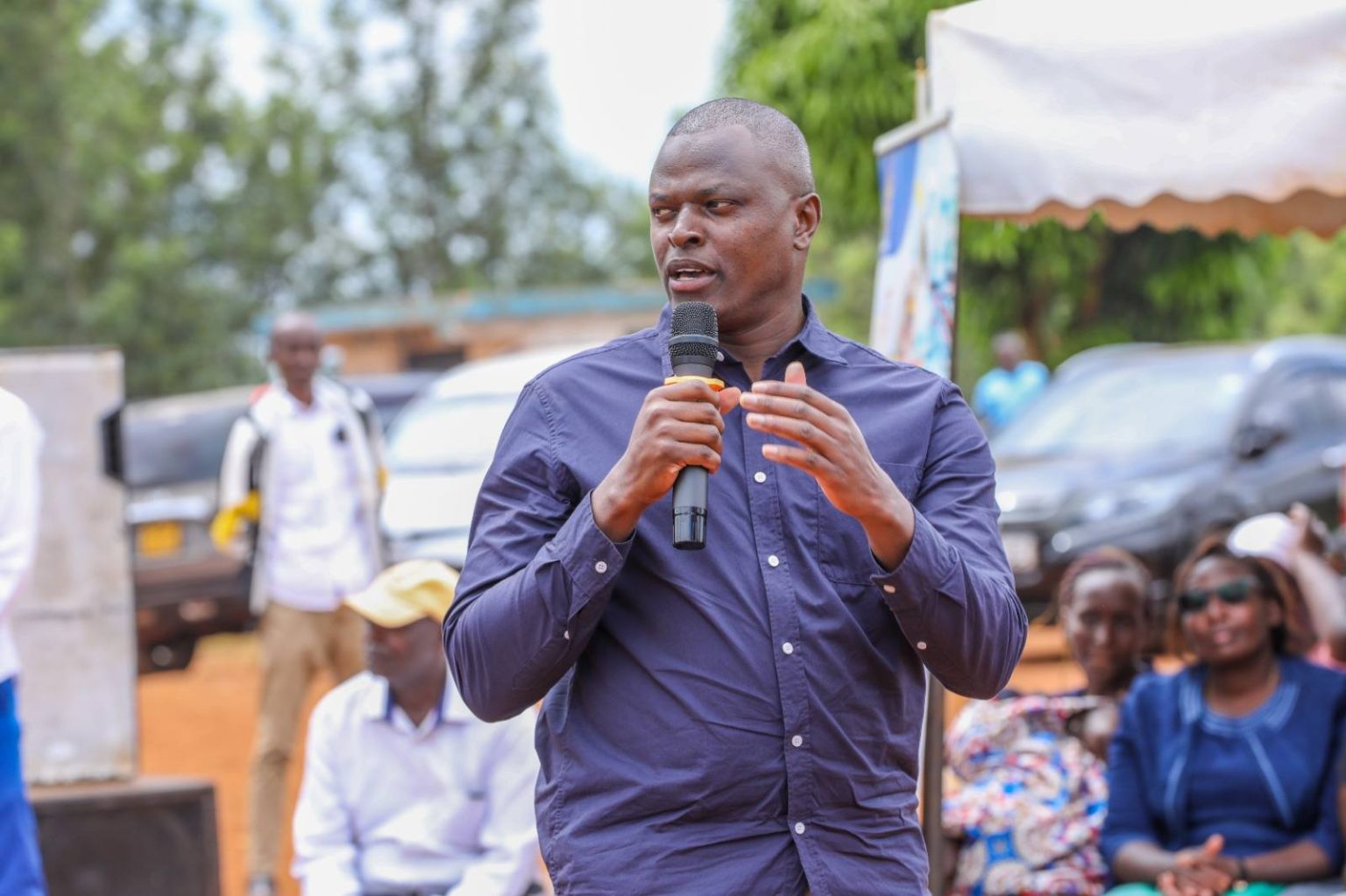
Kiharu Member of Parliament (MP) Ndindi Nyoro has warned that Kenya’s rising debt burden is spiralling out of control, accusing the Kenya Kwanza regime of borrowing recklessly because it is focused on re-election, having not delivered anything tangible in the past years and now wants to implement everything within a single year.
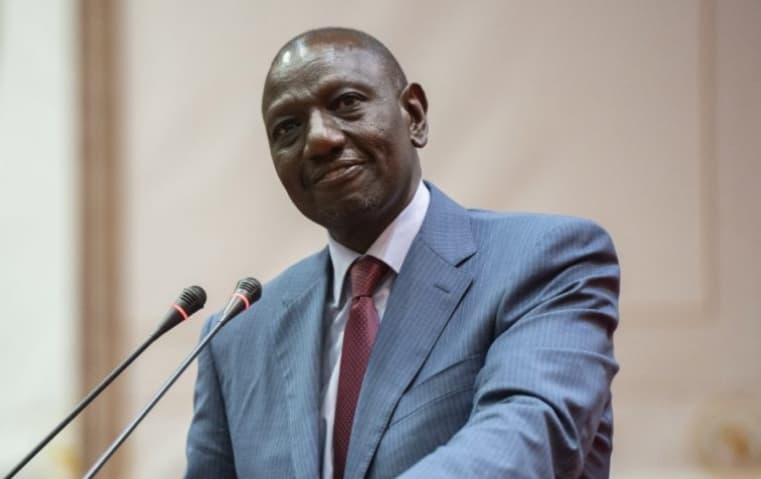
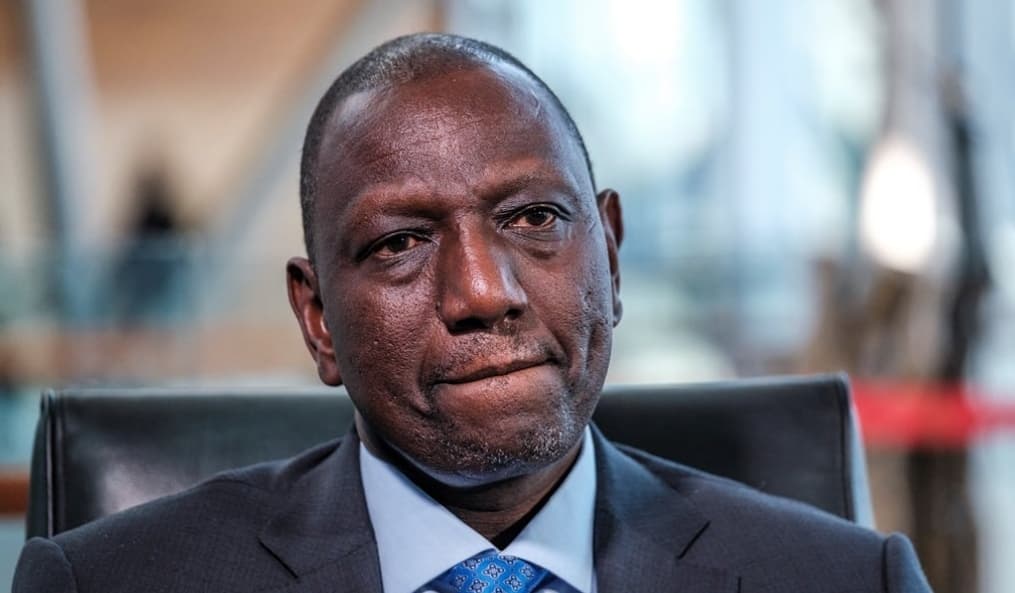
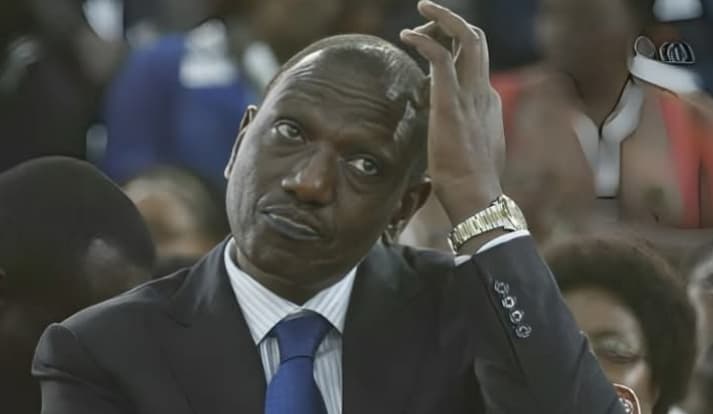
Speaking Saturday, September 6, Nyoro said the country is now borrowing Ksh3.4 billion every single day, or about Ksh140 million every hour, as the country’s borrowing reaches historic levels.
“The economy of Kenya is borrowing 100 billion every month. And every single day, when the lights go off, every day, every single day, Kenya is borrowing 3.4 billion every day. That we are borrowing in a minute; you can do the calculations and see. In an hour, maybe we are borrowing around 137 every one hour,” he said.
According to Nyoro, official data from the Central Bank shows Kenya’s national debt has surpassed Ksh12.1 trillion. He noted that in the last three years alone, the country has taken on more than Ksh3.5 trillion in new loans. By contrast, former President Mwai Kibaki borrowed Ksh1.2 trillion over his entire 10-year tenure.
“We have borrowed three times in three years what Kibaki borrowed in 10 years,” Nyoro stressed.
He warned that the heavy borrowing is happening even as visible development projects are being funded through separate arrangements.
For instance, Nyoro cited the Kenol–Marua road expansion and the Talanta Stadium project, both of which he said fall under securitisation schemes rather than the official debt tally. Similarly, the Nairobi–Nakuru highway is being financed through pension funds under a public–private partnership, not the Ksh12 trillion figure.
“In terms of development, what you can see, for example, the expansion of this Kennol Marwa road, is not even part of the 12 trillion borrowed. It’s another kaloan on the side called Fuel Levy securitisation,” he said
“Everything else you see in Kenya in terms of development, like even the Talantá Stadium, is also not part of the 12 trillion debt. That is another debt, securitisation of the sports fund, where we borrowed 46 billion and will be paying 100 billion in interest rate alone after 15 years. Even the expansion of Nairobi-Nakuru Road is also not part of the 12 trillion we have borrowed. That is NSSF money being used as a PPP to build that road.”
With elections approaching, Nyoro warned against reckless fiscal expansion. He argued that governments often increase spending to showcase quick results before polls, a strategy that fuels borrowing without sustainable benefits.
“Where is the Ksh1.2 trillion we are borrowing every year going?” he asked.
According to him, since there is little to show for the past years, the regime is now attempting to fast-track development within one year, which has resulted in heavy borrowing.
“We are headed to elections, and what governments do is they focus more on reelection, and they forget that they have a country to lead after the elections, and what that means is that every time we need elections, we start having something called fiscal expansion,” Ndindi Nyoro stated.
“Because there has not been anything to be seen for the last year, then basically in one year we want everything to be seen, and what do we do? We became reckless in borrowing, and Kenya is here now, and now our debt is 12 trillion. Kenya has heard of development for many years, but we never had to borrow this much.”
The lawmaker called on the executive to show restraint and put the country’s long-term stability ahead of short-term political gains. He urged leaders to avoid the path taken by countries such as Sri Lanka, Ghana, Zambia and Ethiopia, which have struggled with debt crises in recent years.
“Kenya is a strong country with internal resources. This issue of profligate borrowing must come to an end if we really care about this country,” Nyoro said, appealing to government officials to act with discipline and patriotism.
Debt servicing limits Kenya’s ability to fund development – CoB.
Nyoro's remarks, come a day after the Controller of Budget (CoB) warned Kenya’s rising debt obligations are increasingly crowding out funds for development projects and essential public services.
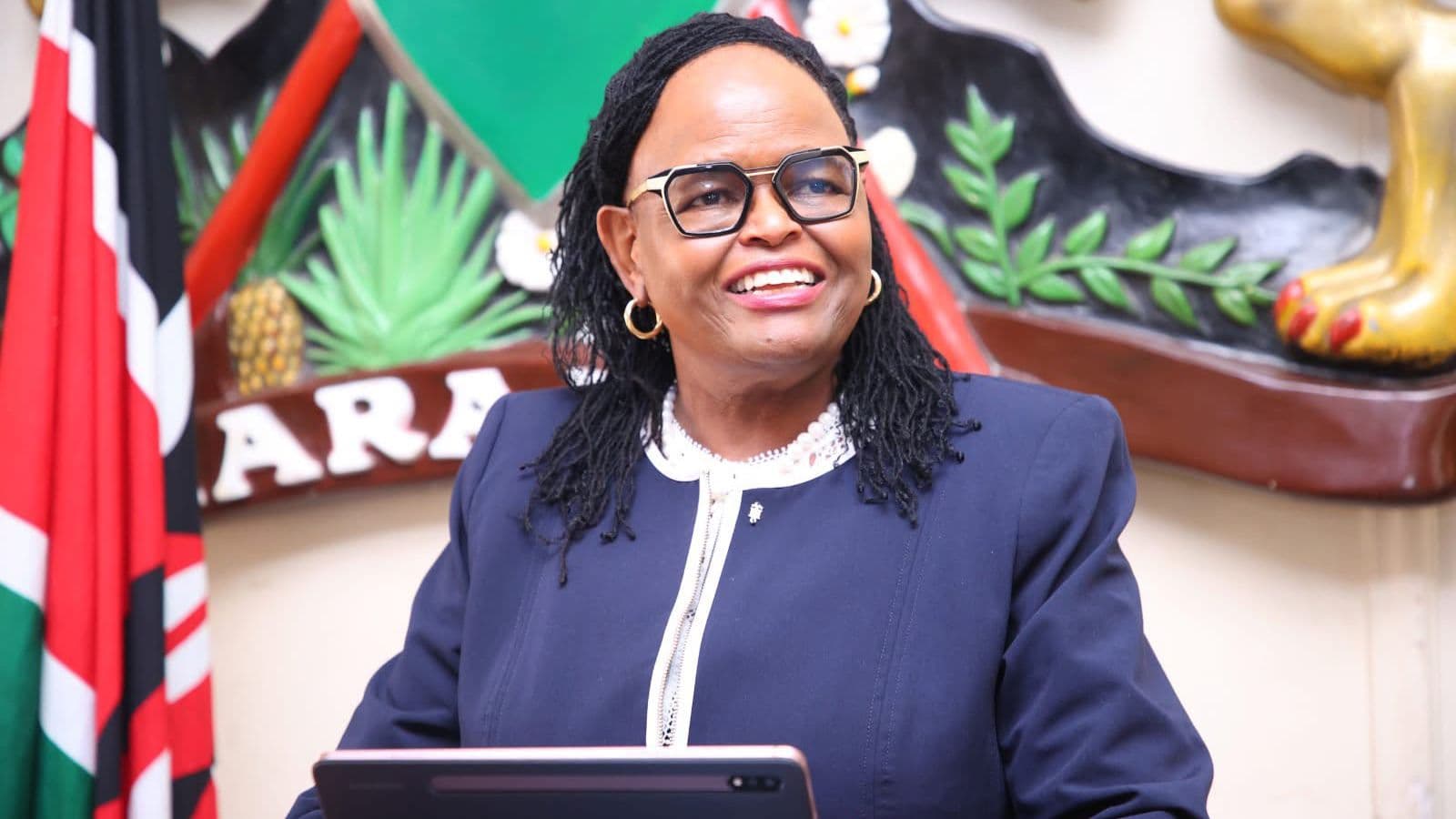
According to the National Government Budget Implementation Review for 2024–25, released by Controller of Budget Margaret Nyakang’o, the government spent Sh1.05 trillion servicing domestic debt.
Of this, Sh632.3 billion went to interest payments while only Sh360.1 billion was used to repay principal amounts.
“The total domestic debt service was Sh992.39 billion, comprising principal repayments of Sh360.09 billion and interest payments of Sh632.30 billion,” Nyakang’o stated.
The report reveals that the government’s focus on short-term domestic borrowing to meet budget gaps has resulted in rapidly increasing debt service obligations.
Short-term Treasury bills, including 91-day, 182-day, and 364-day papers, now dominate domestic borrowing, carrying higher interest rates that raise the cost of servicing debt.
This reliance has forced the National Treasury to roll over obligations repeatedly, creating a cycle where new borrowing is primarily used to pay off interest on old loans.
Domestic debt service absorbed the bulk of public debt spending, amounting to Sh992.4 billion out of the total Sh1.7 trillion spent on debt.
Meanwhile, external debt grew modestly by 4 per cent to Sh5.40 trillion, compared to a 17 per cent rise in domestic debt to Sh6.33 trillion, highlighting a sharp shift in borrowing patterns.
The heavy debt burden has left limited fiscal space for critical projects. Ministries, Departments and Agencies reported significant delays in infrastructure, healthcare, and education initiatives, while pending bills swelled to Sh524.8 billion by June 2025.
Capital works received only Sh90.4 billion in funding, dwarfed by the hundreds of billions directed toward interest payments.
Nyakang’o noted that commercial banks hold 42.6 per cent of domestic debt, making them key players in government borrowing.
"Any reduction in exposure or demand for higher returns could further increase borrowing costs," she said.
The report emphasises that debt service consumed 55.5 per cent of total revenues in 2024–25, well above the 30 per cent limit recommended by the IMF. This has restricted investment in public services, leaving the government trapped in a cycle of borrowing to cover debt costs, rather than using funds to drive growth and development.
The Controller of Budget warns that unless Kenya reassesses its reliance on high-cost, short-term debt instruments, the financial pressure on development projects will worsen, threatening delivery of essential services and slowing progress across key sectors.