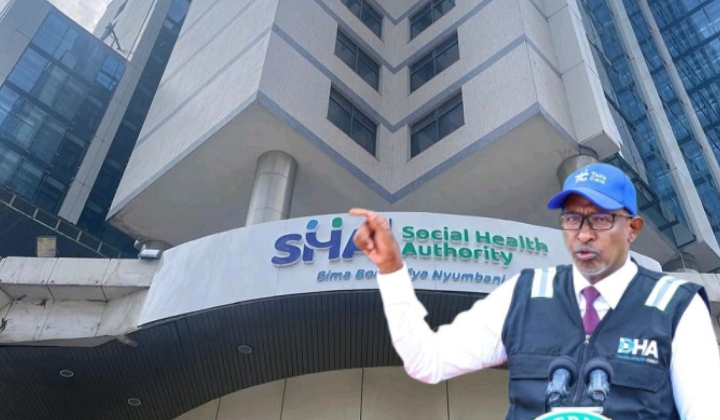
In a major policy shift aimed at accelerating progress toward Universal Health Coverage (UHC) and rebuilding public trust in its revamped health insurance system, Kenya’s Ministry of Health has announced significant enhancements to the Social Health Authority (SHA) benefits, introducing a new system under the Social Health Insurance (SHI) scheme. The recent upgrade allows Kenyans to access medical care abroad when treatments are not available locally.
The initiative is aimed at ensuring no Kenyan is denied life-saving procedures, while also strengthening the country’s healthcare system.
Health Cabinet Secretary Aden Duale on Saturday said the new framework represents a major step forward.
“This milestone is a testament to the government’s commitment to ensuring that no Kenyan is denied access to life-saving, specialised medical and surgical procedures not yet available locally,” he said in a statement.
The framework was developed following a thorough review by the Benefits Package and Tariffs Advisory Panel (BPTAP), which identified services eligible for overseas referral.

The system replaces the previous arrangement under the now-defunct National Health Insurance Fund and is guided by the Social Health Insurance Act, 2023, its regulations, and the Public Procurement and Asset Disposal Act.
Under the new rules, only beneficiaries with up-to-date contributions whose required medical services are unavailable in Kenya can access treatment abroad.
Furthermore, overseas healthcare facilities must be contracted by the Social Health Authority (SHA), accredited in their home country, and recognised by Kenyan regulatory authorities.
These facilities must also maintain links with local providers to ensure continuous follow-up care after the patient returns.
CS Duale pointed out that the BPTAP has initially gazetted 36 healthcare services for overseas treatment, with plans to expand the list through ongoing Health Technology Assessment.
Referrals will be carefully reviewed by the Claims Management Office to ensure treatments are medically necessary and within financial limits. Unproven or experimental therapies will not be covered.
Financial support for overseas treatment is capped at Sh500,000 per patient, a figure that may be revised after completing contracting and rate negotiations with accredited providers abroad.
Duale emphasised the system’s commitment to transparency and accountability, saying it ensures value for money while providing quality care.
“The Ministry of Health has directed the SHA Board of Directors to proceed with the Empanelment and Contracting of Overseas Facilities and to notify the Public of the List of Contracted Facilities,” Duale added.
The move is expected to streamline approvals for overseas treatment, providing timely and safe access to critical care for Kenyans.
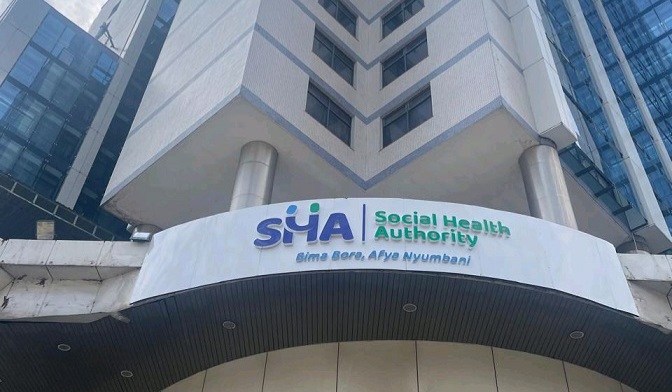
Strengthening the Pillars of Universal Health Coverage
Kenya’s ambitious drive toward UHC has long been seen as pivotal for ensuring that every Kenyan gains access to essential healthcare services without the risk of financial hardship. The recent enhancements to the SHA are designed not only to provide broader financial protection for families facing the high costs of cancer treatment and critical care but also to restore confidence in a system that has struggled with technical and service delivery challenges since its inception.
Under the old National Hospital Insurance Fund (NHIF), millions of Kenyans had access to basic health insurance; however, systemic inefficiencies, high default rates, and inadequate benefit packages led to mounting public dissatisfaction. The SHA was introduced as a replacement with the promise of more comprehensive coverage and streamlined services. Yet, since its rollout, the new system has faced significant hurdles—including delayed claims processing, inadequate coverage levels, and persistent technical glitches—that have hindered optimal service delivery.
The government however has attributed the glitches to the transition- insisting that ongoing reforms will streamline healthcare in the country. On Friday, September 19, CS Aden Duale, defended the much-maligned reforms under the SHA programme, stressing that the changes in the sector would see the government take control in curbing cases of manipulation and eliminating quacks in the medical profession.
The CS termed the reforms a major equaliser through its approach to see all Kenyans covered regardless of social status or tribe. “The digital system has greater capability, we will eliminate fake drugs, fake doctors and fake facilities and enhance quality of healthcare across the board. In the new healthcare(Taifa care), the patient is the boss, and the most important element is the delivery of the healthcare system,”.
Regional and Global Perspectives on UHC.
Kenya’s efforts to enhance its health insurance system are part of a broader trend across Africa and the developing world, where countries are increasingly prioritizing UHC as a cornerstone of economic and social development.
Successful UHC systems in countries such as Thailand and Rwanda have demonstrated that comprehensive health coverage can drive improvements in population health, reduce inequalities, and spur economic growth. Kenya’s SHA reforms are closely watched by neighboring countries and international development agencies, as they offer valuable insights into the challenges and opportunities associated with large-scale health financing reforms.
International organizations, including the World Health Organization (WHO) and the World Bank, have consistently emphasized the importance of strong, well-managed health insurance systems for achieving UHC. By aligning its policies with global best practices, Kenya is not only addressing its internal challenges but also contributing to the broader discourse on sustainable healthcare financing in low- and middle-income countries.
The Road Ahead: Challenges and Opportunities.
Despite the recent improvements, significant challenges remain. The SHA will need to overcome operational inefficiencies, technological glitches, and persistent gaps in public awareness to achieve its full potential. Ensuring timely claims processing and preventing fraud will require ongoing investments in IT infrastructure and human capital. The Ministry of Health’s commitment to nationwide training and the rollout of a comprehensive monitoring dashboard are positive steps, but sustained political and financial support will be crucial for long-term success.
Furthermore, bridging the gap between active and inactive members remains a priority. With a substantial portion of the former NHIF members not actively participating in the new scheme, efforts must be made to re-engage these individuals and ensure that the benefits of SHA are extended to all segments of the population.
The Ministry of Health’s move to expand cover to overseas treatment, marks a pivotal moment in the country’s journey toward Universal Health Coverage. These enhancements are not merely adjustments in financial figures—they represent a renewed commitment to providing quality, accessible healthcare for every Kenyan. By addressing both the clinical and administrative challenges that have long undermined public confidence, the Ministry of Health is setting the stage for a more resilient and equitable health system.