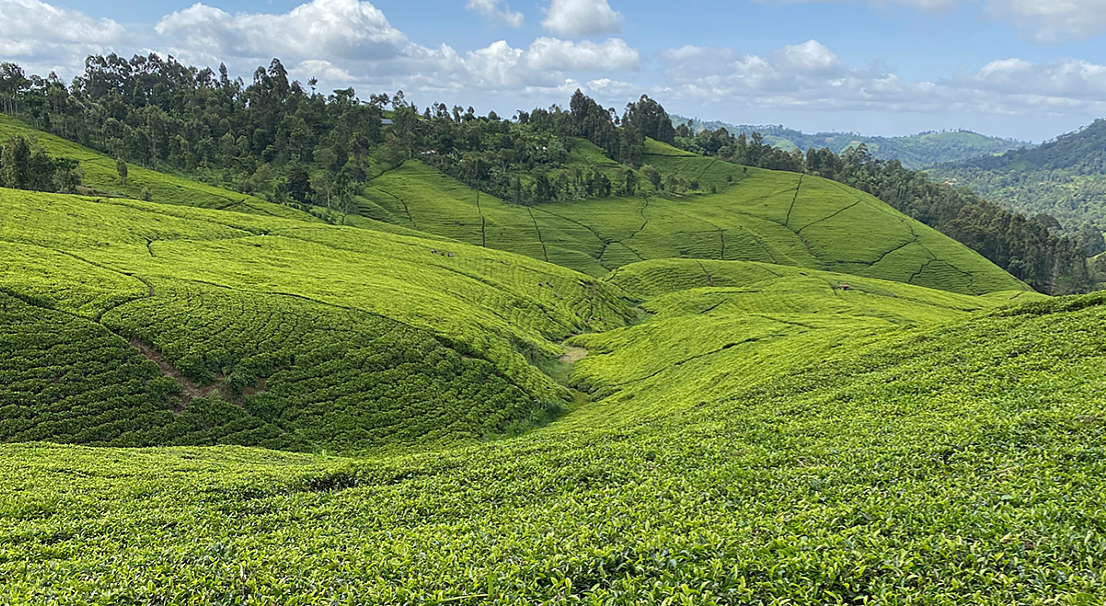
Tea farmers in Murang’a are expressing outrage and despair over a sharp drop in this year’s bonus payments, which they say has left them struggling to repay loans and meet household needs.
This year, factories in the East Rift covering Mt Kenya region will pay between Sh26 and Sh57 per kilogramme, while those in Rift Valley and South Nyanza will receive between Sh10 and Sh32 per kilo.
For the 2023-2024 financial year, the highest tea bonus paid was Sh62.8 per kilogramme.
The farmers, who have long depended on tea as their primary source of income, say the 2025 bonus payout is the lowest in years dropping by more than Sh10 per kilo, a blow they fear will cripple livelihoods across the county.
The huge disparity and decline in prices have triggered uproar among farmers, who are now demanding government intervention to stabilize the sector and cushion them against global market fluctuations.
KTDA however attributes the sharp decline in earnings to a slump in global market prices for tea.
Charles Mwangi, a smallholder farmer who delivers his green leaf to Kanyenyaini Tea Factory, said the payout was a major blow and he was still reeling from the shock of the payout announcement.
“We are very disappointed by this year’s prices because we have loans that we can no longer service. I had taken one to pay my son’s college fees,” he said.
“In fact, I am now considering uprooting my tea bushes for an alternative crop, even though my family solely depends on tea.”
Mwangi revealed that last year they received Sh51 per kilo, but this year they will only receive Sh33 per kilo. The drop, he says, has thrown many tea farmers into financial uncertainty.
“This is a significant drop considering the cost of operations, like farm inputs, transport and labour has remained high thus we will remain trapped in debts for a long time,” he lamented.

In Kangema constituency, Esther Wanjiru, who delivers her green leaf to Githambo Tea factory echoes similar sentiments.
“I have been farming tea for 15 years now and every year we receive promises of stable prices but now we seem to be making two steps ahead and six steps backwards.”
“Most of us depend solely on tea. When the prices fall like this, everything stops; paying school fees, feeding our families, and repaying loans,” she said.
Another farmer who also delivers his green leaf to Githambo tea factory, Peter Karanja, said he is already considering diversifying into avocado farming, citing uncertainty in the tea market.
“We have been patient for years hoping the prices would stabilize, but this cycle of disappointment is too much.”
Last year we received Sh49 per kilo; this year the payout is at Sh32 per kilo, some of us are already uprooting tea bushes and planting other crops even as we consider joining private entities whose prices remain constant all year long,” he said.
During a Bottom-Up Economic Empowerment Forum at General Kago Stadium in Murang’a on Friday graced by Deputy President Kithure Kindiki, leaders from the region called on the state to cushion tea farmers against fluctuating global market prices.
Kangema MP Peter Kihungi said tea farmers form the backbone of Murang’a’s rural economy and deserve better protection from unstable global prices.
They said stabilizing prices of tea, coffee, and milk is key to the success of the government’s Bottom-Up Economic Transformation Agenda (BETA).
They also urged President William Ruto to prioritize interventions for farmers, noting that stabilizing rural economies would not only sustain livelihoods but also curb rural-urban migration.
“Empowering our farmers is empowering the nation and we must ensure that the backbone sectors that is tea, coffee, and milk are stable and rewarding enough to sustain livelihoods,” said Kangema MP Peter Kihungi
Mathioya MP Edwin Mugo echoed the call, saying the government must prioritize farmers in its economic planning.
“When farmers earn well, local economies thrive. We must move beyond promises and ensure fair pricing, local value addition, and reliable markets for their produce,” he said.
Nominated MP Sabina Chege said value addition at factory level would shield farmers from unpredictable global shifts often driven by private middlemen and export brokers.
“In this region we have 11 tea factories, and if value addition is done at factory level, it will ensure that prices do not fluctuate from time to time” she stated, adding, “As it stands, value addition is being done by private entities, which means our farmers will always be affected and, with time, they will be unable to even support their children through school,”.
Chege admitted that this year’s drop is so significant that some disgruntled farmers are already thinking of alternative means of livelihood as opposed to tea farming.
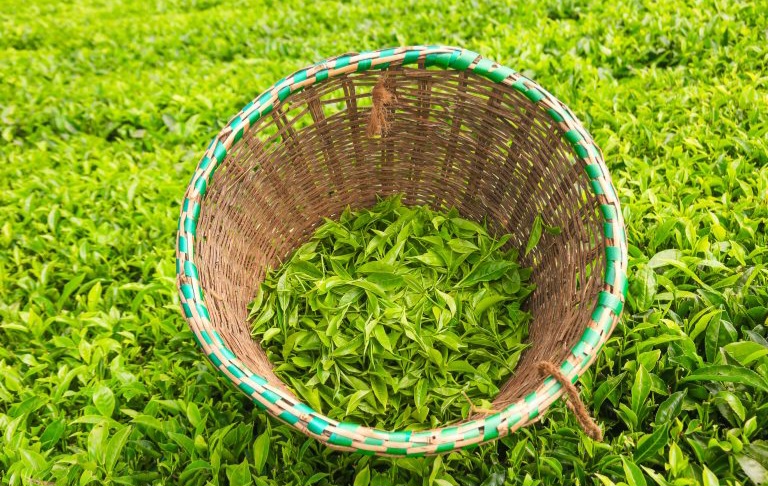
KTDA Explains.
The Kenya Tea Development Agency (KTDA) addressed concerns over lower-than-expected bonuses for tea farmers this year, citing international market trends and currency fluctuations as the main reasons for reduced earnings.
KTDA in a statement on Tuesday, explained that in 2024, the Kenya Shilling traded at an average of 144 to the US dollar, while in 2025 it averaged 129.
This weaker exchange rate meant that even when global tea prices were stable, the amount received in local currency was considerably lower.
Regionally, average prices for tea reflect these challenges. In the East of the Rift, Kiambu fetched Sh371 per kilo, down by 46 shillings; Murang’a earned Sh376, a drop of 42; Nyeri earned Sh388, down by 42; Kirinyaga earned Sh400, down by 38; Embu earned Sh404, down by 34; and Meru earned Sh381, down by 46.
In the West of the Rift, Kericho earned Sh245, down by 101 shillings; Bomet Sh209, down by 85; Nyamira Sh266, down by 106; Kisii Sh246, down by 95; and Nandi/Vihiga earned Sh208, down by 66. These are made tea prices, and when converted to green leaf using the 4.4 ratio, they explain the reduced payments to farmers.
KTDA noted that differences in payments between the East and West of the Rift stem from quality, market conditions, and cost factors.
Tea from high-altitude zones usually fetch better prices due to qualities that appeal to global buyers. Conversely, some factories in the West of the Rift faced lower global demand and higher operational costs, affecting net earnings.
Independent producers and plantation companies outside KTDA reported similar difficulties, confirming that these disparities are market-driven and not unique to KTDA-managed factories.
The agency warned against politicising tea matters, emphasising, “Bringing politics into factory operations only harms farmers. The surest way to safeguard incomes is through maintaining high quality green leaf, disciplined factory management, and adherence to good agricultural practices.”
KTDA explained that the final payment to farmers is calculated after deducting monthly remittances and operational costs, including processing, marketing, and logistics.
“While understandably disappointing to many, this year’s final is a direct reflection of global trading conditions beyond KTDA’s control,” the statement said.
Looking ahead, KTDA said it is implementing strategies to protect farmer incomes. The agency revealed it is collaborating with the government to promote value addition, lower packaging costs, and open new markets such as China. It is also expanding to speciality teas production, which earn higher prices in niche markets.