From hashtags to headlines, social media has emerged as a powerful tool for political engagement globally in recent years. This digital shift is particularly evident in Kenya, where platforms like X (formerly Twitter), Facebook, and WhatsApp are playing an increasingly central role in political governance.
In Kenya, social media has been challenging traditional media and state-controlled narratives, especially among the youth. The rejection of the Finance Bill 2024 by Kenya’s Gen Z population highlights the growing influence of digital communication, particularly social media, on the country’s political landscape. Similar to other global youth-led movements, Kenya’s Gen Z has utilized platforms like Twitter, TikTok, and Facebook to organize protests, voice opposition, and mobilize collective action.
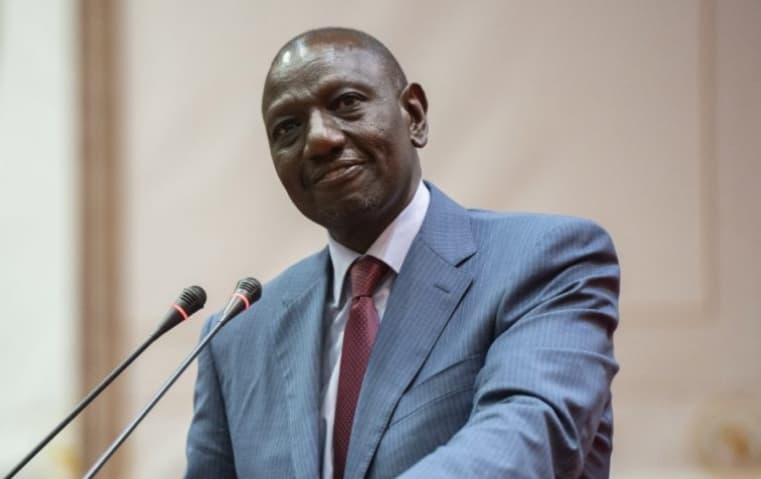
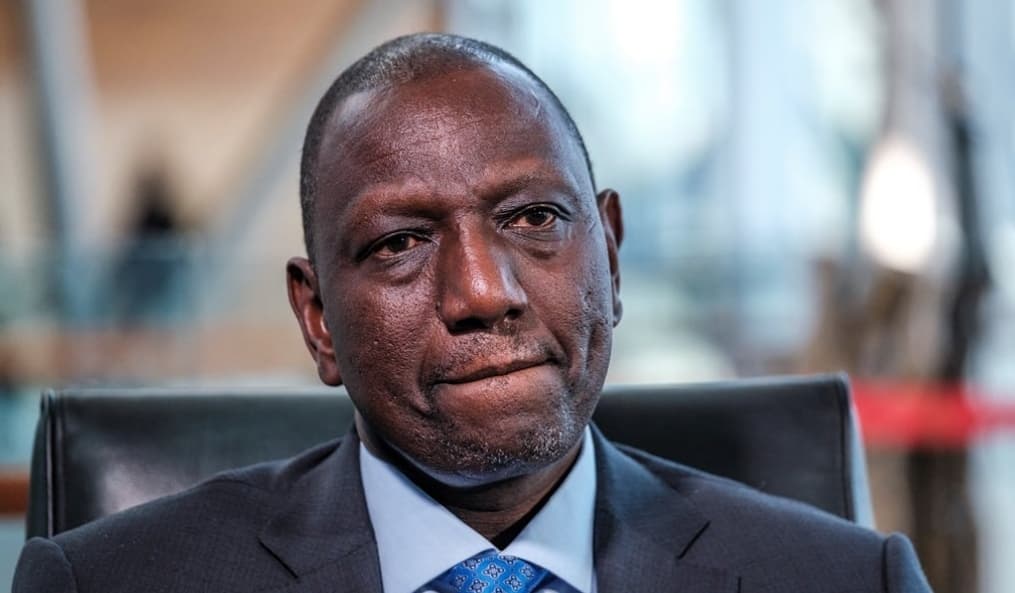
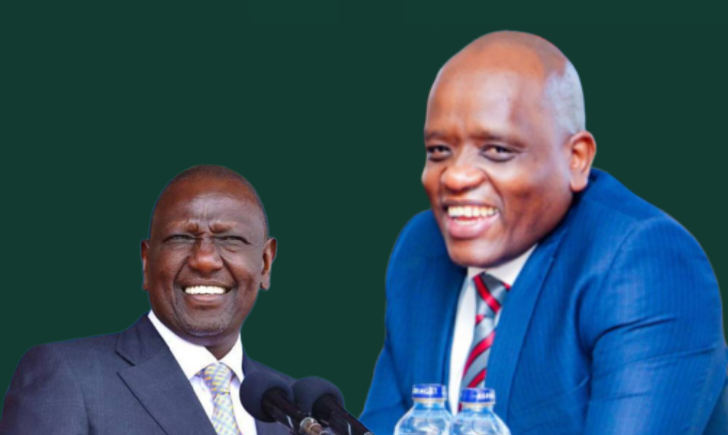
Interestingly, while President William Ruto has been on the receiving end of young Kenyans on social media, the head of state does follow the online criticism.
Dennis Itumbi, who heads the Presidential Special Projects and Creative Economy Coordination, has revealed that President William Ruto pays close attention to public feedback and criticism on social media and takes action based on it.
During an interview, Itumbi shared that he regularly interacts with Kenyans and relays their sentiments to the president.
He mentioned that he compiles critiques directed at the president, captures screenshots, and forwards them to him, not to target dissenters, but to present the national mood to the president.
Itumbi, acknowledged that the president understands not every citizen supports his leadership approach or governance style.
"Sometimes, even when I think he hasn't seen the negative reviews, I screenshot and send him. So that he can see that, I mean, there are people with a different opinion. Because, first, I'm an employee under him, so he's my boss. But beyond that, I also consider him a friend. So after working hours, I approach him as a friend, and I show him that people don't actually agree on this issue. And he has his remarks," he said.
According to him, when the president finds merit in the criticism, he responds by making adjustments. However, he urged Kenyans to offer feedback that is constructive and free from offensive language, adding that Ruto is committed to serving the public and welcomes correction when necessary.
Itumbi claimed that in cases where criticism lacks factual grounding, especially regarding government policies, Ruto often steps in to clarify.
"Sometimes he says, 'Maybe this one didn’t understand, help them understand.' And then he adds, 'This is actually correct; I agree,' before making a call to correct policy. So, negativity expressed with respect is good. In fact, when people criticize me, I grow. The same applies to the President; critics are necessary; they are our fuel. Without critics, you’re not a leader."
Itumbi further stressed the importance of respectful dissent saying, "All I ask for is respectful criticism. There’s no point in attacking a policy just for the sake of it. For example, if the government announces that content creators will earn from advertising revenue, the comment shouldn’t be something dismissive like, 'You know, it doesn’t help your cause.' If you disagree, that’s fine, just say why you disagree and offer an alternative. So, I would say at this point: negative criticism is good, just keep it respectful,"
New Cybercrime Law
His remarks come in the wake of criticism, days after President William Ruto’s administration enacted sweeping cybercrime legislation that imposes penalties of up to Sh20 million in fines or ten years imprisonment for Kenyans convicted of cyber harassment and other online offences.
Ruto signed the Computer Misuse and Cybercrimes (Amendment) Act, 2024 into law on October 15, strengthening the original 2018 legislation with significantly enhanced penalties and expanded enforcement powers that have ignited intense debate about the balance between online security and constitutional freedoms.
The amended Section 27 of the Act establishes severe consequences for cyber harassment convictions, with offenders facing fines not exceeding Sh20 million, imprisonment for up to ten years, or both penalties applied concurrently at judicial discretion. These penalties represent a substantial increase from the original 2018 legislation and position Kenya among African nations with the harshest cybercrime penalties, comparable to or exceeding those in more developed economies.
The legislation addresses multiple categories of digital crimes beyond harassment, including identity theft, phishing schemes, unauthorized access to computer systems, data breaches, distribution of malicious software, and the creation or distribution of child sexual abuse material. Each category carries specific penalties calibrated to the perceived severity of the offense, with the most serious violations attracting maximum sentences.
A particularly significant aspect of the amendment is the broadened definition of cyber harassment, which now encompasses online communication that causes psychological harm or could lead a person to contemplate suicide. This expansion recognizes the serious mental health impacts of sustained online abuse, cyberbullying, and coordinated harassment campaigns that have driven some victims to depression, anxiety, and in extreme cases, self-harm.
The inclusion of psychological harm represents acknowledgment that digital abuse can be as damaging as physical violence, particularly when sustained over time or amplified through social media platforms where harassment can reach wide audiences and persist indefinitely through screenshots and shares. Mental health professionals have documented cases where relentless online abuse has contributed to severe psychological distress, particularly among young people and women who are disproportionately targeted by gender-based digital violence.
However, the subjective nature of “psychological harm” has raised concerns among legal experts who question how courts will establish evidentiary standards for proving such harm. Unlike physical injuries that can be documented through medical examinations, psychological damage often requires expert testimony, psychiatric evaluation, and consideration of various contributing factors. Critics worry this ambiguity could lead to inconsistent application of the law or potential abuse where individuals weaponize harassment claims against critics or opponents.
The provision regarding content that “could lead a person to contemplate suicide” has generated particular controversy. While clearly intended to address serious cases of severe cyberbullying and targeted harassment campaigns, critics argue the language is extraordinarily broad and could potentially criminalize speech that, while offensive or hurtful, falls far short of directly encouraging self-harm. The test of whether content “could” lead to such contemplation appears to establish a dangerously low threshold that might capture protected speech under constitutional standards.
The legislation significantly empowers the National Computer and Cybercrimes Coordination Committee (NCCCC), a government body tasked with coordinating Kenya’s response to cyber threats and digital crimes. Under the new provisions, the NCCCC can direct internet service providers to block access to websites, applications, or pages promoting unlawful activity, even without obtaining a court order.
This administrative blocking authority represents a substantial shift in Kenya’s internet governance framework. Previously, content takedowns and website blocking generally required judicial oversight, with courts weighing evidence of illegality against constitutional protections for expression and media freedom. The ability to bypass judicial review in blocking decisions concentrates significant power in an administrative body and raises concerns about potential overreach or politically-motivated censorship.
Proponents of the expanded authority argue that cyber threats evolve rapidly and require equally swift responses. Waiting for court proceedings, which can take weeks or months, allows harmful content to proliferate, fraudulent schemes to victimize additional targets, and criminal networks to adapt their operations. Administrative blocking enables rapid response to clear-cut violations like child sexual abuse material, terrorist recruitment content, or active fraud operations.
Critics counter that removing judicial oversight eliminates a crucial check on government power and creates opportunities for abuse. They point to examples from other countries where administrative blocking powers, initially justified for addressing serious crimes, gradually expanded to silence political dissent, censor critical journalism, or suppress speech that merely embarrassed or inconvenienced authorities. The lack of transparent criteria for blocking decisions, limited appeal mechanisms, and absence of public reporting on blocks raise additional accountability concerns.
Kenyan authorities justify the stringent legislation by citing alarming increases in cybercrime incidents that have caused significant financial losses and social harm. The government also points to concerns about misinformation and disinformation, particularly around politically sensitive periods like elections. False information spread through social media has contributed to ethnic tensions, undermined public health responses, and created confusion around government policies. Authorities argue that robust legal frameworks are necessary to hold purveyors of deliberately false and harmful information accountable.
The cybercrime amendments have sparked intense debate regarding their compatibility with Kenya’s Constitution, particularly Articles 33 and 34, which guarantee freedom of expression and media freedom respectively. These constitutional provisions protect citizens’ rights to seek, receive, and impart information and ideas, with freedom of expression recognized as foundational to democracy, good governance, and human dignity.
Article 33 establishes broad protections for expression while recognizing specific limitations, including propaganda for war, incitement to violence, hate speech, and advocacy of hatred that constitutes ethnic incitement, vilification, or incitement to cause harm. Critics of the cybercrime amendments argue that the legislation’s broad harassment provisions and administrative blocking powers extend far beyond these constitutionally recognized limitations.
Media organizations have expressed particular concern that journalists investigating corruption, human rights abuses, or government misconduct could face harassment prosecutions for stories that embarrass powerful individuals or institutions. If officials or politically connected figures can invoke psychological harm claims against critical reporting, investigative journalism becomes legally perilous. The Sh20 million fine represents approximately ten years of income for typical journalists, creating existential financial risk that could discourage aggressive reporting on matters of public interest.
Digital rights organizations including Article 19 East Africa and the Bloggers Association of Kenya have called for amendments to include clearer definitions, stronger judicial oversight requirements, and explicit protections for legitimate journalism, satire, artistic expression, and political commentary. They argue that cybercrime legislation should target genuinely harmful conduct—fraud, exploitation, serious harassment—without capturing speech that, while uncomfortable for its subjects, serves important democratic functions.
The Kenya Human Rights Commission has warned that the legislation could be weaponized against activists, civil society organizations, and opposition figures who critique government policies or expose corruption. Kenya has a concerning history of officials using legal processes to harass critics, and overly broad cybercrime provisions provide additional tools for such abuse.
The amendments represent the Kenyan government’s response to what authorities characterize as an alarming surge in online fraud, digital harassment, identity theft, and harmful content proliferation across social media platforms and digital communication channels.
However, civil society organizations, media practitioners, and digital rights advocates have expressed serious concerns that the legislation’s broad language and stringent penalties could create a chilling effect on freedom of expression, investigative journalism, and legitimate online discourse, potentially contradicting constitutional protections enshrined in Kenya’s Bill of Rights.