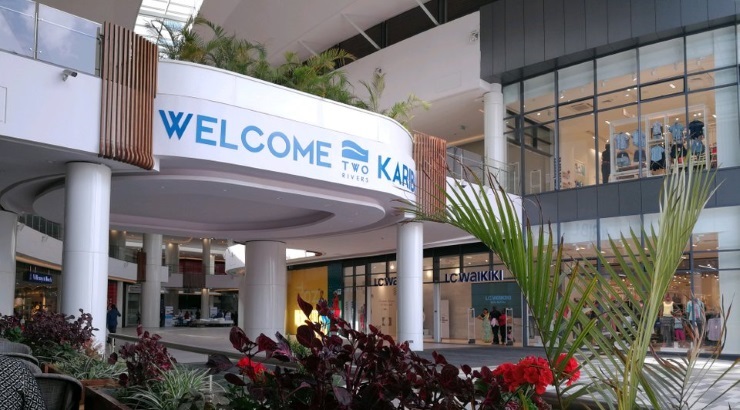
The Two Rivers International Finance and Innovation Center (TRIFIC) has been officially designated as a project of strategic national importance, a classification that promises to dramatically streamline regulatory processes and position the special economic zone as a cornerstone of the country’s economic transformation agenda.
The designation, announced by the State Department for Lands and Physical Planning within the Ministry of Lands, Public Works, Housing and Urban Development, elevates TRIFIC from a private development project to an instrumental component of Kenya’s national economic infrastructure.
This classification places the 64-acre Special Economic Zone in an elite category of projects deemed critical to the nation’s economic prosperity and strategic interests.
Revolutionary Changes in Regulatory Framework
The strategic national importance designation fundamentally transforms how TRIFIC will interact with government regulatory bodies. Under the new framework, the SEZ will bypass conventional bureaucratic channels and apply directly to the national government for a comprehensive range of approvals and permits.
“This will translate to a faster approval of TRIFIC projects and processes assuring our investors of timely delivery,” stated Brenda Mbathi, Chief Executive Officer of TRIFIC. The streamlined process encompasses amendments to the Master Plan, construction of new buildings, change-of-user applications, renovation projects, and any other physical development activities requiring government permits, as well as extensions or renewals of land leases.
The designation operates under the authority of Section 69(4) of the Physical and Land Use Planning Act, 2019, which empowers the Cabinet Secretary responsible for Land and Physical Planning to directly consider and approve development permissions for projects classified as being of national importance. This legal framework was specifically designed to prevent critical national projects from being delayed by lengthy approval processes at county or lower government levels.
Following a comprehensive inspection of the TRIFIC project, government officials confirmed that it satisfies the provisions of Regulation 4(d) of the Act, which specifically covers projects developed by the private sector within Special Economic Zones. This classification recognizes TRIFIC’s role in advancing Kenya’s industrialization and economic diversification objectives.
Strategic Location and Development Context
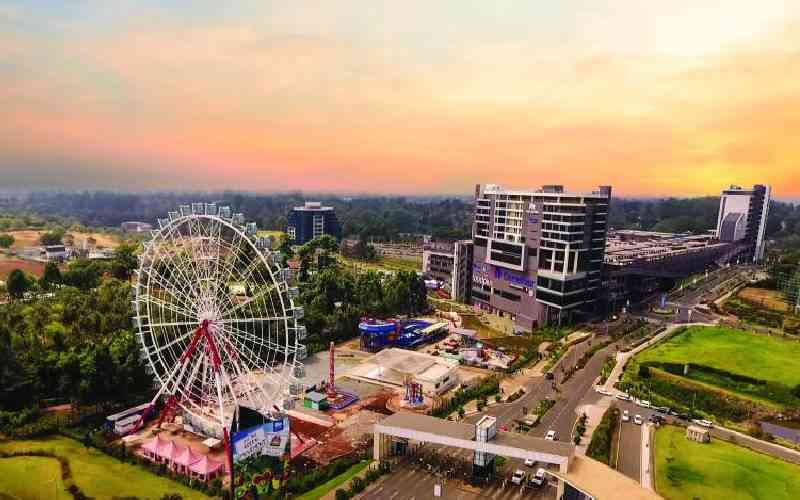
TRIFIC SEZ occupies a strategic 64-acre parcel located adjacent to the expansive Two Rivers Mall, one of East Africa’s largest shopping and lifestyle destinations. The proximity to this major commercial hub provides significant advantages in terms of infrastructure, accessibility, and visibility to potential investors and tenants.
The development received its Special Economic Zone license in June 2023, marking a pivotal moment in its transformation from a commercial real estate project into a designated economic catalyst zone. This licensing by the Export Processing Zones Authority positioned TRIFIC to offer investors attractive fiscal incentives, including tax holidays, duty exemptions on imported equipment and raw materials, and streamlined customs procedures.
The strategic location in Nairobi’s Gigiri area places TRIFIC in close proximity to numerous diplomatic missions, international organizations, and multinational corporations, creating a natural ecosystem for business process outsourcing, technology companies, and financial services firms seeking to establish operations in East Africa.

Centum Investment’s Vision and Ownership Structure
TRIFIC SEZ operates as a fully-owned subsidiary of Centum Investment Company, a diversified investment firm listed on the Nairobi Securities Exchange. Centum has positioned itself as a leading developer of transformative real estate projects in Kenya, with Two Rivers representing its flagship mixed-use development.
Two Rivers Land Company (SEZ) Limited, the Centum subsidiary directly responsible for the SEZ, has articulated ambitious plans that extend beyond traditional real estate development. The company intends to establish Kenya’s first US dollar-denominated income Real Estate Investment Trust (I-REIT), a groundbreaking financial structure that would provide investors with exposure to premium Kenyan real estate assets while offering protection against local currency volatility.
The TRIFIC North Tower has been identified as the inaugural asset to be acquired by the proposed I-REIT, subject to approval from the Capital Markets Authority, Kenya’s securities regulator. This innovative approach to real estate financing reflects the sophistication of Kenya’s capital markets and the growing appetite among investors for alternative asset classes that can deliver stable income streams.
“Ultimately, the project will be well positioned for exit at a good return to the providers of capital,” Mbathi noted, highlighting the commercial viability that underpins the development’s strategic importance. This statement reflects Centum’s obligation to deliver returns to its shareholders while simultaneously advancing national economic objectives—a dual mandate that characterizes successful public-private partnerships.
Major Milestone: Full Occupancy of North Tower
A significant validation of TRIFIC’s market positioning came with the achievement of full occupancy in the North Tower, the development’s flagship office building. This milestone demonstrates strong demand from both international and domestic corporations for Grade A office space in a special economic zone environment.
The tenant roster includes several notable international corporations that have chosen TRIFIC as their East African hub. Teleperformance, a global leader in customer experience management and business process outsourcing with operations in over 80 countries, has established a significant presence in the SEZ. The company’s decision to locate in TRIFIC reflects the site’s suitability for contact center operations, which require reliable telecommunications infrastructure, skilled workforce access, and operational stability.
Technobrain, a technology solutions provider with regional expertise in financial services, government systems, and enterprise applications, has also chosen TRIFIC as its base. The company’s presence contributes to the innovation ecosystem that the SEZ is cultivating, potentially creating synergies with other technology tenants and supporting Kenya’s aspirations to become a regional technology hub.
Dalberg, an international development advisory firm that works with governments, foundations, and corporations on complex social and economic challenges, represents another high-profile tenant. Dalberg’s decision to locate in TRIFIC underscores the SEZ’s appeal to knowledge-intensive professional services firms seeking a prestigious address with excellent facilities.
The achievement of full occupancy provides Centum with validated evidence of market demand, supporting the business case for expansion and justifying the decision to proceed with additional Grade A office development. It also demonstrates to potential investors in the proposed I-REIT that TRIFIC can achieve and maintain high occupancy rates, a critical factor in real estate investment returns.
Expansion Plans and Future Development
Building on the success of the North Tower, TRIFIC has announced plans for additional Grade A office space, signaling confidence in continued demand from corporations seeking to establish or expand their Kenyan operations. The expansion plans will benefit directly from the strategic national importance designation, which should significantly reduce the time required to obtain building permits, environmental impact approvals, and other regulatory clearances.
Grade A office space, defined by international standards as buildings offering superior construction quality, modern systems, excellent accessibility, professional management, and contemporary amenities, remains in relatively short supply in Nairobi despite the city’s status as East Africa’s commercial capital. TRIFIC’s ability to deliver this quality of space within a special economic zone environment creates a compelling value proposition for multinational corporations.
The expansion is strategically timed to capitalize on several favorable trends in Kenya’s commercial real estate market. Remote work arrangements adopted during the COVID-19 pandemic have led many organizations to reconsider their space requirements, with some opting for smaller but higher-quality premises that support hybrid work models. Additionally, the growth of business process outsourcing and technology sectors in Kenya continues to drive demand for modern office facilities.
Infrastructure development in the Gigiri area, including road improvements and enhanced public transportation options, has improved accessibility to the Two Rivers precinct, making it more attractive to both employers and employees. The area’s established reputation as a diplomatic and international organization district adds prestige and potentially facilitates security clearances for companies handling sensitive information.
Economic Impact and Job Creation
The economic significance of TRIFIC extends well beyond the direct investment by Centum and its partners. Special Economic Zones serve as engines of job creation, both during construction phases and through ongoing operations of tenant companies. The designation as a project of strategic national importance acknowledges this broader economic contribution.
Business process outsourcing companies like Teleperformance typically employ hundreds or thousands of workers in customer service, technical support, and back-office functions. These jobs often provide entry points into formal employment for young Kenyans, particularly recent graduates seeking to gain professional experience. The presence of such employers in TRIFIC contributes to Kenya’s objective of creating one million jobs through various economic sectors.
Technology companies and professional services firms generate additional employment in higher-skilled categories, including software developers, data analysts, consultants, and specialized technical roles. These positions typically offer competitive compensation and career advancement opportunities, contributing to the growth of Kenya’s middle class and tax base.
The development also creates indirect employment through construction activities, property management services, security, catering, cleaning, maintenance, and various support services required to maintain a modern commercial complex. Local businesses in the surrounding area benefit from increased foot traffic and demand for goods and services from the thousands of people who work in TRIFIC daily.
Challenges and Risk Factors
Despite the positive developments surrounding TRIFIC’s designation and strong initial performance, several challenges and risks warrant consideration. Kenya’s commercial real estate market has experienced periods of oversupply, particularly in certain Nairobi submarkets, which can depress rental rates and occupancy levels. While TRIFIC’s Grade A positioning and SEZ advantages differentiate it from conventional office space, market conditions will inevitably impact the project’s performance.
Economic volatility, including currency fluctuations, inflation, and interest rate movements, can affect both tenants’ ability to pay rent and investors’ returns. The proposed dollar-denominated I-REIT structure partially addresses currency risk for international investors but may create affordability challenges for some potential tenants if rental rates are pegged to the US dollar.
Regional competition from other countries developing special economic zones and offering investment incentives could divert foreign direct investment away from Kenya. Countries like Rwanda and Ethiopia have aggressively marketed their SEZs and in some cases offer even more generous incentive packages than Kenya.
Infrastructure challenges, including periodic power supply issues and traffic congestion in Nairobi, can affect business operations and reduce the attractiveness of locating in Kenya compared to countries with more reliable infrastructure. While TRIFIC’s development includes backup power systems and other mitigation measures, broader infrastructure constraints remain a national challenge.
Political and policy uncertainty can also impact investor confidence. Changes in tax policy, regulatory frameworks, or government priorities following elections or political transitions create risks that long-term real estate investors must consider. The strategic national importance designation provides some protection against adverse policy changes, but no guarantee of complete insulation from political risk.
Comparative Analysis with Regional SEZs
To fully appreciate TRIFIC’s significance, it is useful to compare it with other Special Economic Zones in East Africa and the broader African continent. Rwanda’s Kigali Special Economic Zone has successfully attracted manufacturing and logistics companies through a combination of efficient administration, strong infrastructure, and business-friendly policies, though it operates on a different scale than TRIFIC’s finance and technology focus.
Ethiopia established several industrial parks and SEZs as part of its industrialization drive, focusing primarily on textile and manufacturing sectors rather than services. These zones have attracted significant foreign direct investment, particularly from Chinese manufacturers seeking lower-cost production locations, but have faced challenges related to foreign exchange shortages and political instability.
South Africa’s special economic zones operate under a more mature regulatory framework and have attracted substantial investment in manufacturing, logistics, and agro-processing sectors. However, South Africa’s higher cost structure and more stringent labor regulations create a different investment environment than Kenya.
The Djibouti Free Zone has positioned itself as a logistics and trade hub, capitalizing on the country’s strategic location at the entrance to the Red Sea. Its focus differs from TRIFIC’s emphasis on knowledge-intensive sectors, but it demonstrates the potential for SEZs to drive economic transformation in smaller African economies.
The Special Economic Zone Model in Kenya
Special Economic Zones represent a critical component of Kenya’s industrial development strategy, modeled on successful precedents from countries like China, Dubai, and Singapore that have used geographically designated zones with preferential regulatory and fiscal frameworks to attract foreign direct investment and catalyze economic growth.
The Export Processing Zones Authority, the government agency responsible for administering SEZs, offers investors a range of incentives designed to make Kenya competitive with other African and global investment destinations. These typically include corporate tax holidays of up to ten years for developers and investors, exemptions from value-added tax on goods and services supplied to SEZ enterprises, duty-free importation of capital equipment and raw materials, and streamlined licensing procedures.
Kenya’s Special Economic Zones Act establishes the legal framework for these zones, which can be developed for various purposes including manufacturing, information technology and business process outsourcing, financial services, logistics and warehousing, and mixed-use development. TRIFIC falls into the latter category, combining office space, technology infrastructure, and support facilities designed to attract knowledge-intensive industries.
The SEZ model addresses several challenges that have historically deterred foreign investors from establishing operations in Kenya, including bureaucratic delays in obtaining permits and approvals, uncertainty around tax treatment, inadequate infrastructure in some areas, and concerns about consistency in regulatory enforcement.
Conclusion
The designation of TRIFIC as a project of strategic national importance signals a maturing of Kenya’s approach to economic development and investment facilitation. Rather than relying solely on direct government investment in infrastructure and services, this model demonstrates how strategic policy support can leverage private capital to achieve national development objectives.
The success of TRIFIC could encourage similar developments in other parts of Kenya, potentially creating a network of special economic zones focused on different sectors and serving different regions. This geographic and sectoral diversification would reduce Kenya’s economic dependence on Nairobi and spread development benefits more widely across the country.
For foreign investors evaluating East Africa as a potential location for operations, the TRIFIC example demonstrates that Kenya can offer world-class facilities, attractive incentives, and streamlined regulatory processes when projects are properly structured and aligned with national priorities. This may help counter perceptions that bureaucracy and regulatory complexity make Kenya a challenging investment destination.