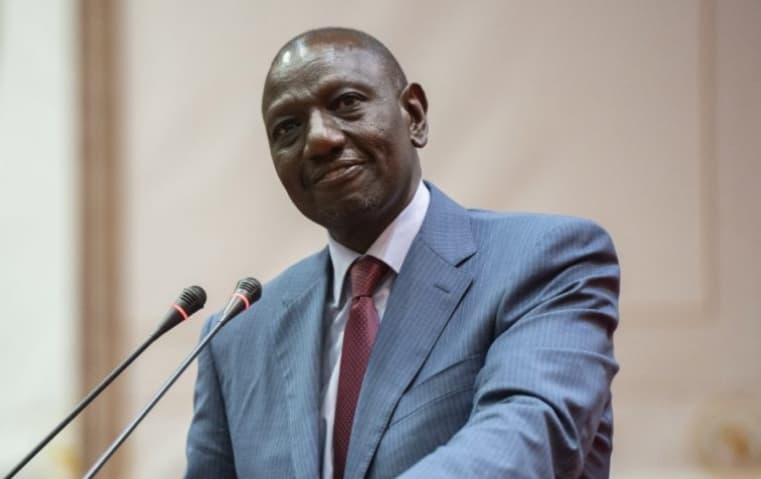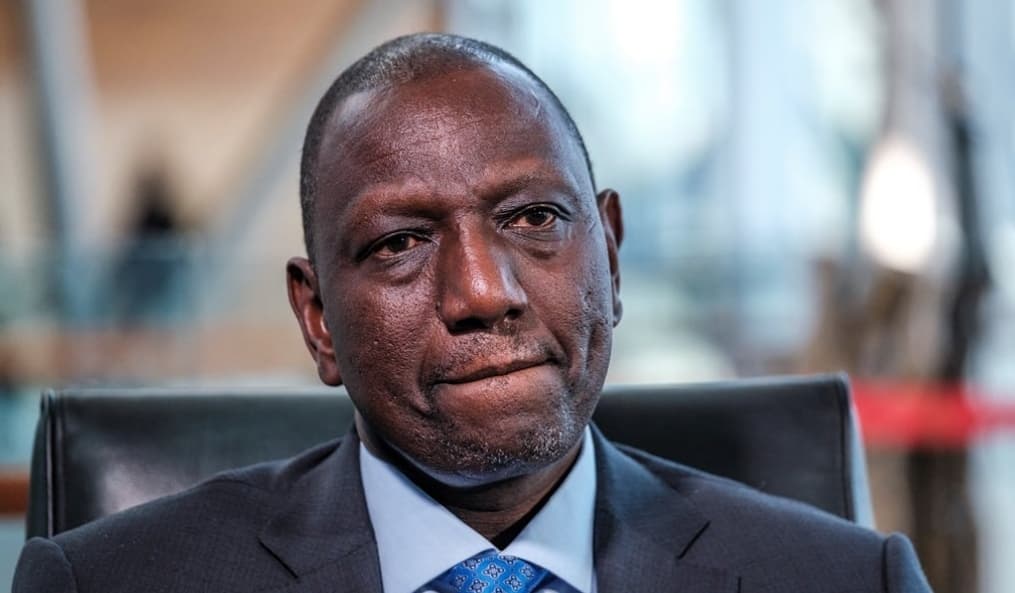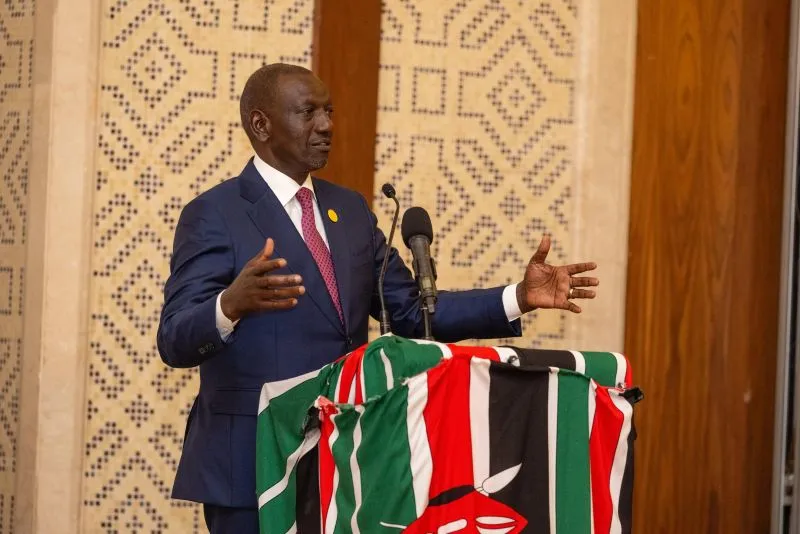
President William Ruto has made a candid admission that Kenya’s electricity supply is insufficient to meet current demand, forcing the implementation of daily load-shedding between 5 pm and 10 pm to keep the national grid stable.
The revelation, made during a meeting with Kenyans living in Doha, Qatar, marks the first public confirmation of deliberate power rationing by the government, despite weeks of growing public frustration over frequent blackouts that Kenya Power had previously attributed to technical faults and routine maintenance.
“Today in Kenya, between 5 pm and 10 pm, we have to do load-shedding. We have to shut off some areas to power other areas because our energy is insufficient,” President Ruto stated, speaking to the diaspora community on Tuesday, November 5, 2025.
The Head of State emphasized that Kenya requires a minimum of Sh1.2 trillion (approximately $10-12 billion) to expand the country’s power capacity to 10,000 megawatts—more than four times the current generation capacity—to ease persistent shortages and support the nation’s industrialization ambitions.
The Power Crisis: Understanding Kenya’s Electricity Shortfall
Kenya’s current electricity generation capacity stands at approximately 2,316 megawatts, which President Ruto described as the highest in five years, yet still woefully inadequate to meet the surging demand. According to data from the Kenya Electricity Generating Company (KenGen), the country’s leading power producer, Kenya has recorded multiple peak demand milestones throughout 2025, with the highest reaching 2,411.98 megawatts on October 24, 2025, accompanied by the highest-ever daily energy consumption of 44,122.60 megawatt-hours (MWh).
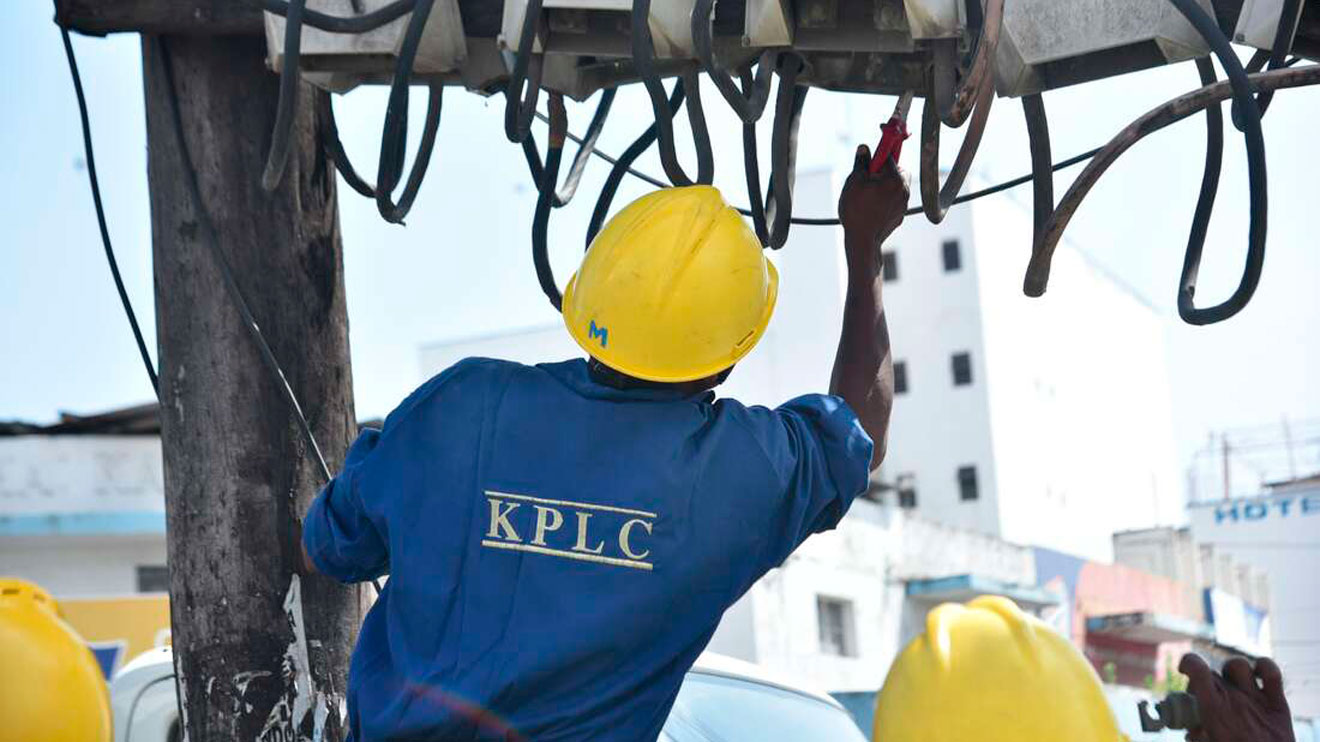
The gap between generation capacity and peak demand has created a precarious situation for Kenya Power and Lighting Company (KPLC), the national power distributor serving approximately 10 million customers. Peak demand for electricity in Kenya is highest between 1900 hours (7:00 pm) and 2100 hours (9:00 pm), precisely the period when Kenya Power is forced to cut off some regions to protect the grid from potential collapse.
Load shedding, also known as rolling blackouts, is a controlled process where electricity supply is deliberately turned off in parts of the grid to prevent a total system collapse. The practice, widely used in countries facing power shortages, ensures that available energy is distributed in a manner that prevents overloads on the system whenever demand outstrips supply. Countries including South Africa, Nigeria, Pakistan, and Zimbabwe have implemented similar measures to manage chronic electricity deficits.
The Data Center Dilemma: Industrialization Stalled by Power Constraints
President Ruto’s admission took on added urgency as he revealed how Kenya’s power limitations have hampered major technology investments, particularly plans for hyperscale data centers. The President disclosed that during his trip to the United States, his administration signed groundbreaking agreements with global technology giants including Microsoft and UAE-based artificial intelligence firm G42 to establish data centers in Kenya—a move that would position the country as a regional technology hub.
However, the enthusiasm quickly met reality when technical experts outlined the staggering energy requirements. “One data center requires 1,000 megawatts, but we only have 2,300 megawatts,” President Ruto explained. This means that operating a single hyperscale data center would consume nearly half of Kenya’s entire national electricity output, effectively forcing the shutdown of power to significant portions of the country.
“For us to operate one data center, we would have to shut down half of the country,” Ruto said, half-jokingly but underscoring a serious infrastructural challenge. The revelation highlights the stark reality facing Kenya’s digital transformation aspirations. With global technology companies increasingly looking to Africa for data center locations due to growing internet usage and the potential for renewable energy deployment, Kenya’s inability to provide sufficient power represents a missed opportunity in the rapidly evolving digital economy.
“If we have to industrialize and engage in manufacturing, we need a minimum of 10,000 MW of energy,” the President emphasized, noting that the country’s industrial and manufacturing ambitions are fundamentally constrained by the current power generation capacity.
Root Causes: The Perfect Storm of Energy Constraints
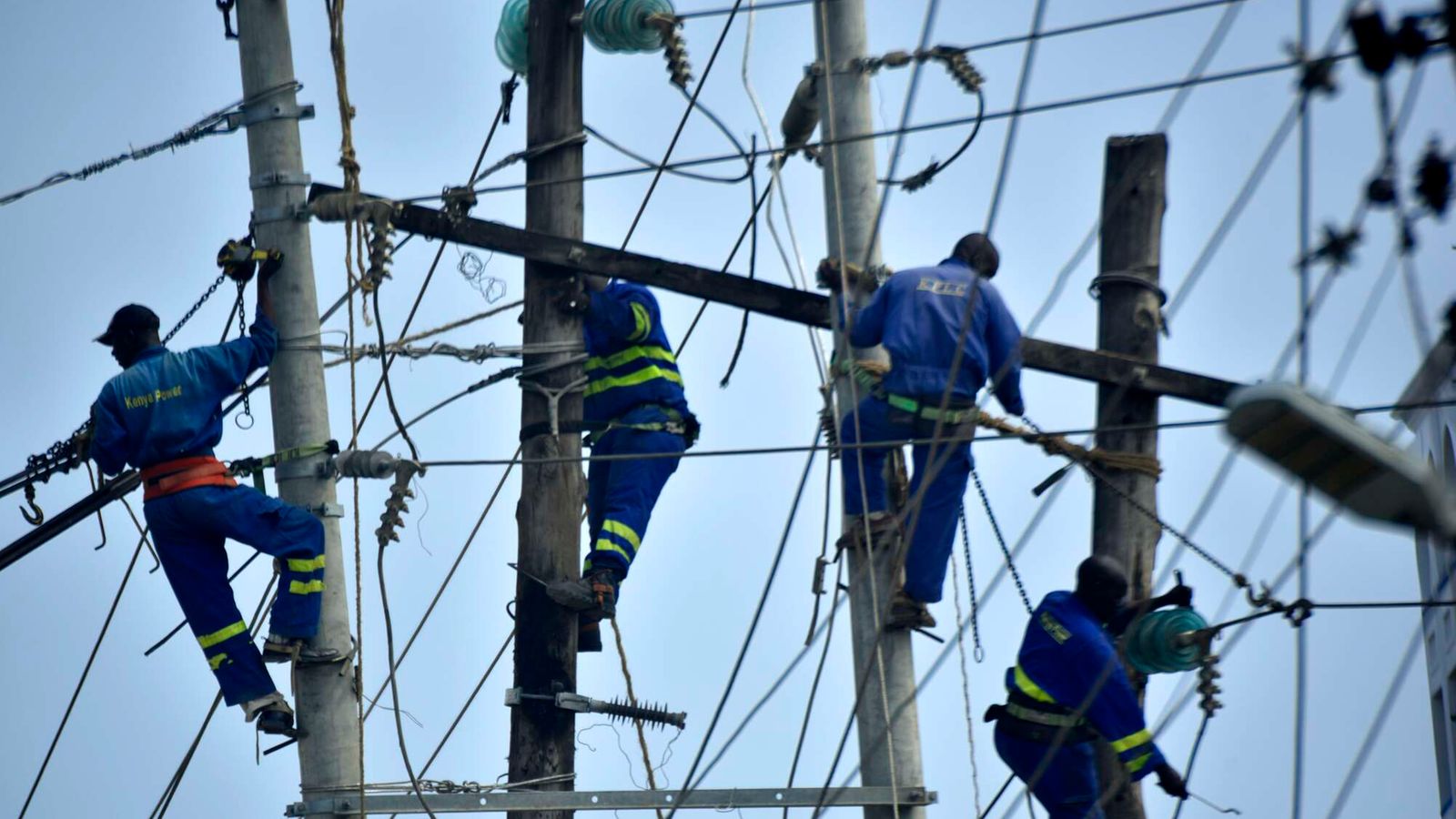
Kenya’s electricity crisis stems from multiple interrelated factors that have converged to create the current shortfall. Primary among these is a freeze on new Power Purchase Agreements (PPAs) that has been in effect since 2018. The moratorium was initially imposed by the Cabinet and later extended by Parliament to allow for scrutiny of existing deals amid concerns that Kenya Power was tied to expensive contracts with electricity generators, ultimately denying consumers access to cheaper electricity.
While the freeze was intended to protect consumer interests, it has had the unintended consequence of leaving Kenya in a situation where local generation has failed to keep pace with the growth in demand. Kenya Power has not signed any new PPAs since 2018, meaning no significant new generation capacity has been added to the grid during a period when electricity consumption has surged dramatically.
President Ruto acknowledged the broader challenges facing Kenya’s energy sector, citing aging hydroelectric infrastructure, costly geothermal projects, and stalled coal and nuclear initiatives due to environmental concerns. The Sh200 billion Lamu coal power plant license was revoked last year over environmental violations, eliminating what would have been a substantial addition to national capacity. Meanwhile, the planned 1,000-megawatt nuclear plant has been relocated from the coastal region to Lake Victoria, with completion not expected until 2034—nearly a decade away.
“Between limited generation and aging transmission infrastructure, our grid remains fragile,” Ruto stated, adding that public-private partnerships are being pursued to accelerate energy projects despite past controversies surrounding PPAs and their cost implications for consumers and the national utility.
The Renewable Energy Paradox
Ironically, Kenya has emerged as a regional leader in renewable energy adoption, with approximately 90% of the country’s electricity generated from renewable sources. KenGen, which produces about 75% of the electricity consumed in the country, operates an impressive portfolio of clean energy facilities including 30 hydropower plants, seven geothermal power plants, and wind installations.
Geothermal energy has become Kenya’s single largest source of electricity, contributing 39.81% of total generation. Kenya is now the seventh-largest geothermal producer in the world and the largest in Africa, with an installed geothermal capacity approaching 985 megawatts. The country has an estimated potential to produce 10,000 megawatts of geothermal-powered electricity, according to the state-owned Geothermal Development Company, though this resource remains largely untapped.
Hydropower, historically Kenya’s dominant energy source, accounts for approximately 24.74% of the energy mix. However, hydroelectric generation has become increasingly vulnerable to climate variability, with droughts significantly reducing output from major installations. The Lake Turkana Wind Power plant, the largest wind power facility in Africa, supplies 310 megawatts to the grid, demonstrating Kenya’s commitment to diversifying its renewable energy portfolio.
Despite these impressive renewable energy credentials, the fundamental problem remains: total installed capacity has not kept pace with demand growth. The country has recorded seven new peak demands in a single year alone, with peak demand growing by 243 megawatts between 2022 and August 2025 while local generation has increased only marginally due to the freeze on new PPAs.
Increased Dependence on Electricity Imports
As domestic generation has stagnated, Kenya has been forced to increasingly rely on electricity imports from neighboring countries, particularly Ethiopia and Uganda, to shore up supplies and prevent more severe rationing. Imports accounted for 10.6 percent or 1.53 billion units of the 14.38 billion units bought by Kenya Power in the year to June 2025, up dramatically from 4.87 percent in June 2023 and just one percent in 2021.
The surge in imports reflects both the supply-demand imbalance and the competitive pricing of electricity from Ethiopia’s hydroelectric facilities. Kenya Power opened talks with Ethiopia Electric Power in March 2025 for an additional 50-100 megawatts beyond the 200 megawatts being imported under a 25-year PPA that Nairobi signed with Addis Ababa in 2022. Hydropower from Ethiopia is the second cheapest source available to Kenya, with a kilowatt-hour priced at $0.065 (Sh8.44), behind only locally-produced hydropower.
Without Ethiopia’s power supplies, Kenya would have been pushed into a more severe electricity crisis that would have prompted extended blackouts and power rationing running for hours on alternating days—a scenario with potentially catastrophic implications for economic growth, business operations, and foreign investment attractiveness.
President Ruto drew particular attention to Ethiopia’s recently commissioned Grand Ethiopian Renaissance Dam (GERD) during his remarks, noting that he had attended the launch of the facility in October 2025. The GERD has a total installed capacity of 5,400 megawatts—more than twice Kenya’s entire current output—providing a stark illustration of the infrastructure gap between Kenya and its regional neighbors.
The Sh1.2 Trillion Investment Plan: Ambitious Infrastructure Development
In response to the crisis, President Ruto announced that his government has launched a Sh1.2 trillion investment plan to expand capacity as part of broader efforts to position Kenya as an industrial and technological hub. “We need Sh1.2 trillion, that is just about maybe 10 to 12 billion dollars. We can raise that money,” the President stated, drawing parallels to the government’s success in mobilizing Sh600 billion for the affordable housing program.
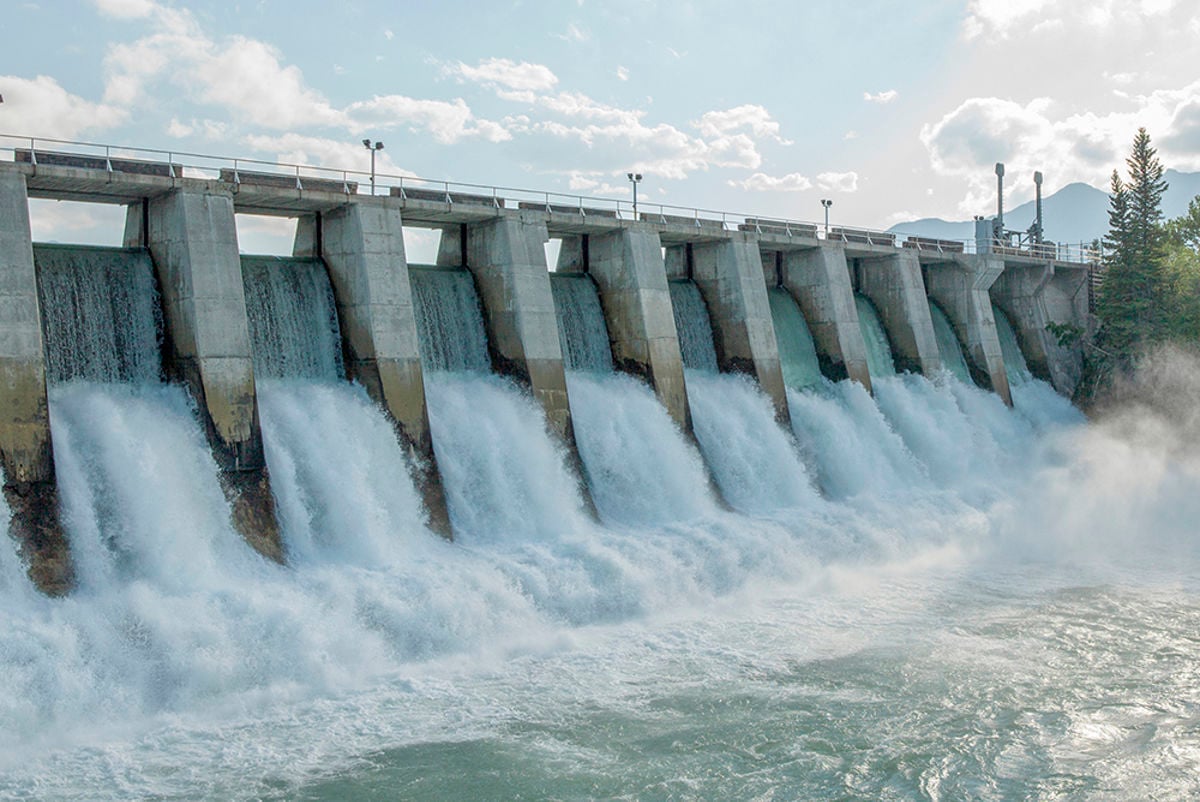
The investment plan encompasses multiple dimensions of energy infrastructure development. President Ruto pointed to ongoing infrastructure projects including the phase one development at Konza City—Kenya’s planned technology hub—and ambitious plans for 50 mega-dams that would dramatically expand hydroelectric capacity and irrigation across two million acres of agricultural land.
The dam construction program represents a significant departure from recent energy policy, which had emphasized geothermal and renewable sources while allowing hydroelectric infrastructure to age without major new investments. However, the mega-dam strategy has drawn scrutiny from environmental advocates concerned about ecological impacts, displacement of communities, and the vulnerability of large hydroelectric projects to climate change-induced drought patterns.
Beyond dams, the government is exploring multiple pathways to expand generation capacity. Geothermal development remains a priority, with KenGen planning to add 560 megawatts of geothermal power to the grid through joint ventures. The Geothermal Development Company has secured concessional loans for exploring new geothermal blocks, including the Bogoria-Silali block with potential for 2,000 megawatts.
Wind and solar power also feature prominently in expansion plans, with KenGen planning additional wind installations in Meru and Marsabit. Solar power holds particular promise given Kenya’s high irradiation levels throughout the year, with huge untapped demand for both grid-connected solar farms and off-grid solutions for remote communities.
Economic and Social Impact of Load Shedding
The practice of load shedding, while necessary to prevent total grid collapse, carries significant economic and social costs. Businesses face lost production, equipment damage from power surges during restoration, and increased operational expenses from relying on diesel generators for backup power. The manufacturing sector, which President Ruto envisions as a key driver of economic transformation, is particularly vulnerable to unreliable power supply, as production lines cannot operate efficiently with frequent, unpredictable interruptions.
Essential services including healthcare facilities, educational institutions, and water treatment plants struggle to maintain operations during load shedding periods. Hospitals must rely on backup generators to power critical equipment, adding to operational costs. Schools face disruptions to learning, particularly as education increasingly incorporates digital tools requiring consistent electricity access.
For ordinary households, evening load shedding disrupts the peak hours when families return home from work and school, affecting meal preparation, homework completion, and general quality of life. The timing—5 pm to 10 pm—coincides with when demand is highest as Kenyans wind down their workday activities.
The economic cost extends to Kenya’s attractiveness as an investment destination. Multinational companies evaluating potential locations for manufacturing facilities, data centers, or other energy-intensive operations place reliable power supply among their top criteria. Kenya’s inability to guarantee consistent electricity availability undermines its competitive position relative to countries that have invested more heavily in generation capacity.
The Path Forward: Challenges and Opportunities
President Ruto’s candid admission of Kenya’s power crisis represents an important acknowledgment of reality after weeks of public frustration over unexplained blackouts. However, translating the announced Sh1.2 trillion investment plan into actual generating capacity will require overcoming substantial obstacles.
Mobilizing such significant capital investment presents challenges, particularly given Kenya’s current fiscal constraints and existing debt burden. While the President expressed confidence that “we can raise that money” and suggested it could be done “without any levy,” the reality of financing large-scale infrastructure projects typically requires a combination of government budgetary allocations, development partner financing, and private sector investment through PPAs—the very mechanism that has been frozen since 2018.
The government faces the delicate task of resuming PPAs to add generation capacity while addressing the concerns that prompted the initial freeze. This requires ensuring that new agreements provide competitive pricing, protect consumer interests, and include robust governance and oversight mechanisms to prevent the corruption and inflated costs that characterized some historical power sector deals.
Environmental considerations also loom large in energy planning. While the Lamu coal plant cancellation reflected growing recognition of climate change imperatives, it also eliminated a substantial potential source of baseload power. The relocation of the nuclear power project reflects similar environmental and safety concerns, but also delays by nearly a decade a potential solution to Kenya’s capacity challenges.
Climate change itself presents a paradox for Kenya’s energy future. The country’s heavy reliance on hydropower makes it vulnerable to drought conditions that are projected to become more frequent and severe. Yet the push toward renewable energy sources—which generally face lower opposition than fossil fuel projects—often focuses on hydro, wind, and solar, each of which comes with its own climate vulnerability challenges.
The challenge extends beyond simply building more power plants. It encompasses upgrading aging transmission infrastructure to carry electricity efficiently from generation sites to consumers, implementing smart grid technologies to better manage demand, improving system resilience to prevent cascading failures, and creating regulatory frameworks that encourage private investment while protecting public interests.