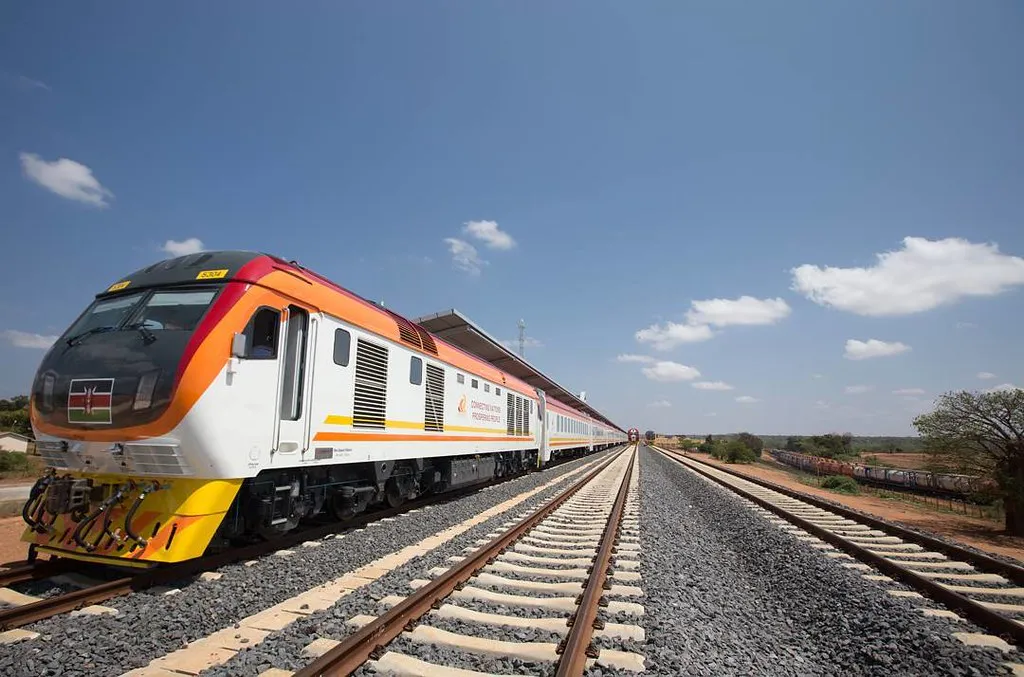
Kenya has taken a bold and strategic step toward completing its Standard Gauge Railway (SGR) network to the Ugandan border town of Malaba — a move that could redefine the country’s economic geography and shift the narrative on infrastructure financing in East Africa.
The government is set to raise Sh390 billion through a 15-year bond to finance the extension of the Standard Gauge Railway (SGR) from Naivasha to Malaba. While the move reflects China’s hesitancy to support the project, it also signals a shift in Kenya’s approach to major infrastructure projects — one that balances ambition with financial realism.
The model essentially blends Public-Private Partnership (PPP) principles with state-backed concessional financing, minimizing risks to Kenya’s already strained fiscal space.
Historical Context: Lessons from the Past
Kenya’s journey with the SGR has been anything but smooth. The first two phases — from Mombasa to Nairobi, and from Nairobi to Naivasha — were financed predominantly through Chinese loans totaling over Sh500 billion. While these initial segments improved cargo movement and slashed travel times, they sparked a nationwide debate over debt, sovereignty, and value-for-money.
Critics argued that the earlier financing agreements were opaque, tilted too heavily in favor of Chinese interests, and lacked parliamentary oversight. The absence of transparency over the Mombasa port collateral clause, for instance, raised serious questions about the long-term implications of foreign debt on national assets.
It is perhaps these missteps that influenced the new financing model. Unlike the earlier phases, which leaned heavily on direct borrowing, the latest deal invites private sector participation and risk-sharing. In doing so, the government has signaled its intent to adopt a more mature, transparent and economically integrated approach to infrastructure development.
New financing model
Kenya is set to raise Sh390 billion through a 15-year bond to finance the extension. The government plans to use revenues from the Railway Development Levy (RDL), a 2 per cent charge on imported goods, to repay investors.
This approach is part of a wider strategy to fund infrastructure projects through public-private partnerships and securitisation, amid growing concerns over the country’s debt levels.
Roads and Transport Cabinet Secretary Davis Chirchir said officials are evaluating whether to issue a bond or seek loans from development banks, both expected to mature in 15 years.
“We have a good stream from the Railway Development Levy, which is ring-fenced to build the railway. But if you look at it from a cashflow perspective, it’s not enough to build the railway in two or three years,” he told reporters on Friday.
The existing SGR line currently ends in Naivasha, 468 kilometres short of the Uganda border, due to financing constraints.
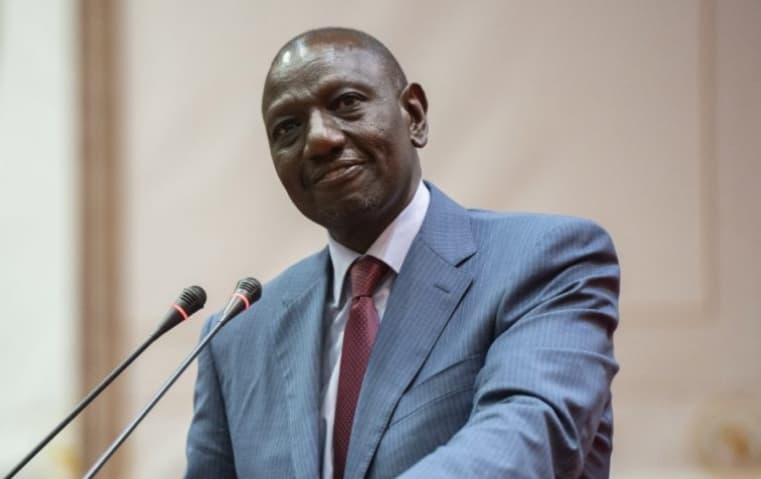
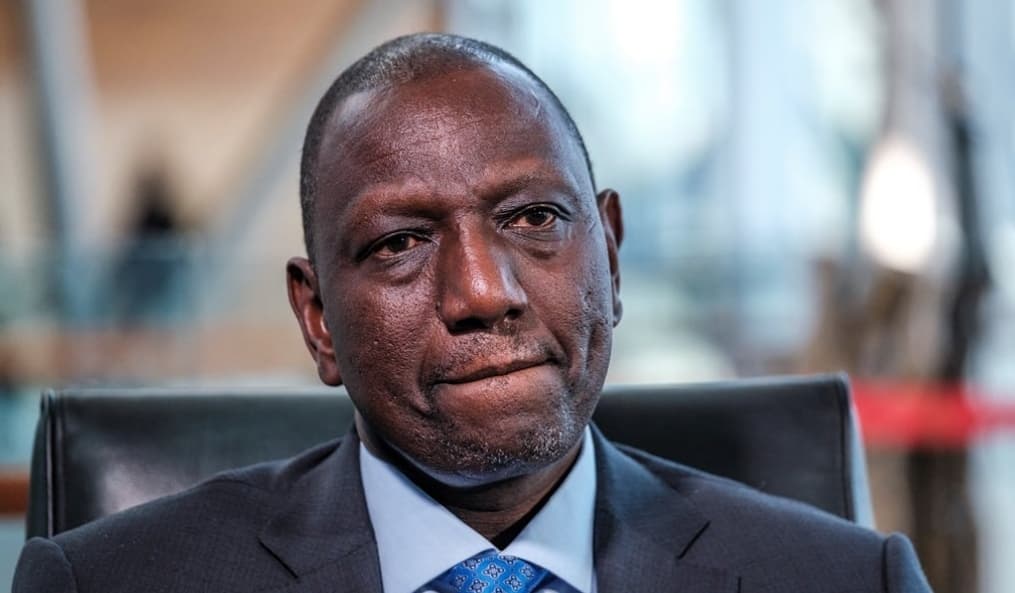
Kenya had earlier explored support from the United Arab Emirates to complete the regional railway before reviving discussions with China during President William Ruto’s visit in April.
The plan to rely on bond financing signals Beijing’s cautious stance, as it seeks to ensure Kenya can manage debt and that the extension generates sufficient revenue.
The proposed SGR expansion involves issuing two bonds that could raise $3 billion (Sh387 billion).
“We will basically look at financial markets and the available instruments, leveraging, of course, on the (RDLF) revenues. A railway should attract long-term borrowing, and we’re looking at a 15-year facility; the 2 per cent RDLF charge is sufficient to support us,” Chirchir said.
The Naivasha–Malaba phase will pass through Narok, Bomet, Nyamira, Kisumu, and Busia counties.
Feasibility and environmental assessments have been completed, and Kenya has pledged to coordinate the project with Uganda and South Sudan, linking the East Africa Rail Corridor.
Uganda is expected to fund the 272-kilometre stretch to Kampala, while South Sudan will extend the line from its border to Juba, ensuring inland countries gain access to the port of Mombasa.
Exim Bank of China, which funded 90 per cent of the $3.6 billion Mombasa–Naivasha section, withdrew from the next phase due to debt and revenue concerns.
During President Ruto’s visit, the bank reportedly agreed to participate if Kenya covers 30 per cent of the costs.
Kenya aims to involve the private sector in freight operations and related infrastructure, reducing dependence on foreign loans.
“We are securing railway development revenue of about Sh40 billion every year, and so we have a good stream of development levy which is ring-fenced to build the railway, but if you look at that funding from a cash perspective, it is not enough to build the railway in two or three years,” Chirchir said.
Inclusive Development and Economic Potential
The resumption and completion of the SGR to Malaba is not just an economic story — it is a regional and geopolitical statement. The Malaba route is a critical link in the broader vision of the Northern Corridor, which connects Kenya’s port of Mombasa to Uganda, Rwanda, South Sudan, and eastern Democratic Republic of Congo (DRC). Completing the rail to Malaba reasserts Kenya’s role as the logistical gateway to East and Central Africa.
One of the most striking aspects of the new deal is its regional inclusivity. Historically, Kenya’s mega-projects have been Nairobi-centric or coastal-focused. This has left many western and northern regions feeling alienated from the national development agenda. The SGR to Malaba addresses that imbalance directly, offering economic opportunities to counties such as Uasin Gishu, Bungoma, Kakamega, and Busia.
This inclusive approach reflects the Ruto administration’s “Bottom-Up Economic Model”, which aims to elevate underdeveloped regions and improve access to markets, jobs, and basic services. Beyond that, the railway is expected to catalyze investment in industrial parks, agri-processing zones, logistics hubs, and manufacturing clusters along its route — turning transit towns into centers of commerce.
Already, the Kenya Railways Corporation has hinted at plans to develop freight terminals and passenger stops at strategic points between Naivasha and Malaba. These hubs, if well-integrated with county development plans, could generate thousands of jobs and uplift entire communities.
Tied to Broader Economic Strategies
Kenya’s economic planners must now ensure that the SGR isn’t just a transport line — but the spine of a broader economic ecosystem. For instance, revamping the port of Kisumu and boosting Lake Victoria ferry operations would create a tri-modal logistics system: rail, lake, and road. This, in turn, would enhance connectivity with Uganda and Tanzania, and potentially link to Rwanda and Burundi through Lake Victoria shipping lanes.
Further, the government must consider tax incentives and infrastructure support for Special Economic Zones (SEZs) along the corridor. By encouraging domestic and foreign investment in agro-processing, textiles, and value-added industries, the SGR can become a genuine engine of long-term industrialization — not just a sleek ribbon of steel cutting through the countryside.
The Northern corridor - regional integration
The SGR projects operate within the broader context of the Northern Corridor, the critical transport artery connecting landlocked East and Central African countries to the Port of Mombasa. This 1,700-kilometre corridor serves Kenya, Uganda, Rwanda, Burundi, Democratic Republic of Congo, and South Sudan, handling over 85% of East African Community trade.
Recent assessments by the Northern Corridor Transit and Transport Coordination Authority (NCTTCA) reveal that cross-border trucks still face an average of seven to ten stops per journey, with transit times from Mombasa to Kampala stretching 7-10 days—well above the regional target of five days. These inefficiencies cost regional economies an estimated $2 billion annually in lost competitiveness and higher consumer prices.
The SGR extension is expected to increase trade along the Northern Corridor and support Special Economic Zones and logistics hubs. Rail transport has eased road congestion and accidents, with last month’s freight haul reaching 640,000 metric tonnes—the equivalent of removing 23,000 trucks from highways.
Officials from Uganda and South Sudan said the infrastructure will reduce business costs and improve competitiveness. The Nairobi meeting was attended by Principal Secretary Mohamed Daghar and Kenya Railways Managing Director Philip Mainga.
Beyond freight transport, the SGR network will significantly enhance passenger services throughout the region. The Madaraka Express, operating between Mombasa and Nairobi since 2017, has exceeded ridership expectations.
Extension of passenger services to Uganda and beyond will create new tourism opportunities while facilitating business travel and regional mobility. The improved connectivity is expected to boost tourism in western Kenya and the Lake Victoria region, supporting economic diversification beyond traditional sectors.
While the diversified financing structure reduces some risks, Kenya must carefully manage the additional debt burden associated with these major infrastructure investments. Economic benefits from improved trade facilitation and reduced transport costs must materialize as projected to justify the significant financial commitments involved.
Regular monitoring and evaluation mechanisms are being established to track project performance against economic targets, enabling course corrections if necessary to ensure debt sustainability and economic viability.
If handled with professionalism, transparency, and a commitment to social equity, the SGR to Malaba could transform not just transportation, but the entire economic architecture of western Kenya and the Great Lakes region.
At a time when many developing nations are rethinking the sustainability of mega-infrastructure debt, Kenya’s approach could well become a template for smarter, more inclusive development — a model that shows ambition doesn’t have to come at the cost of prudence.