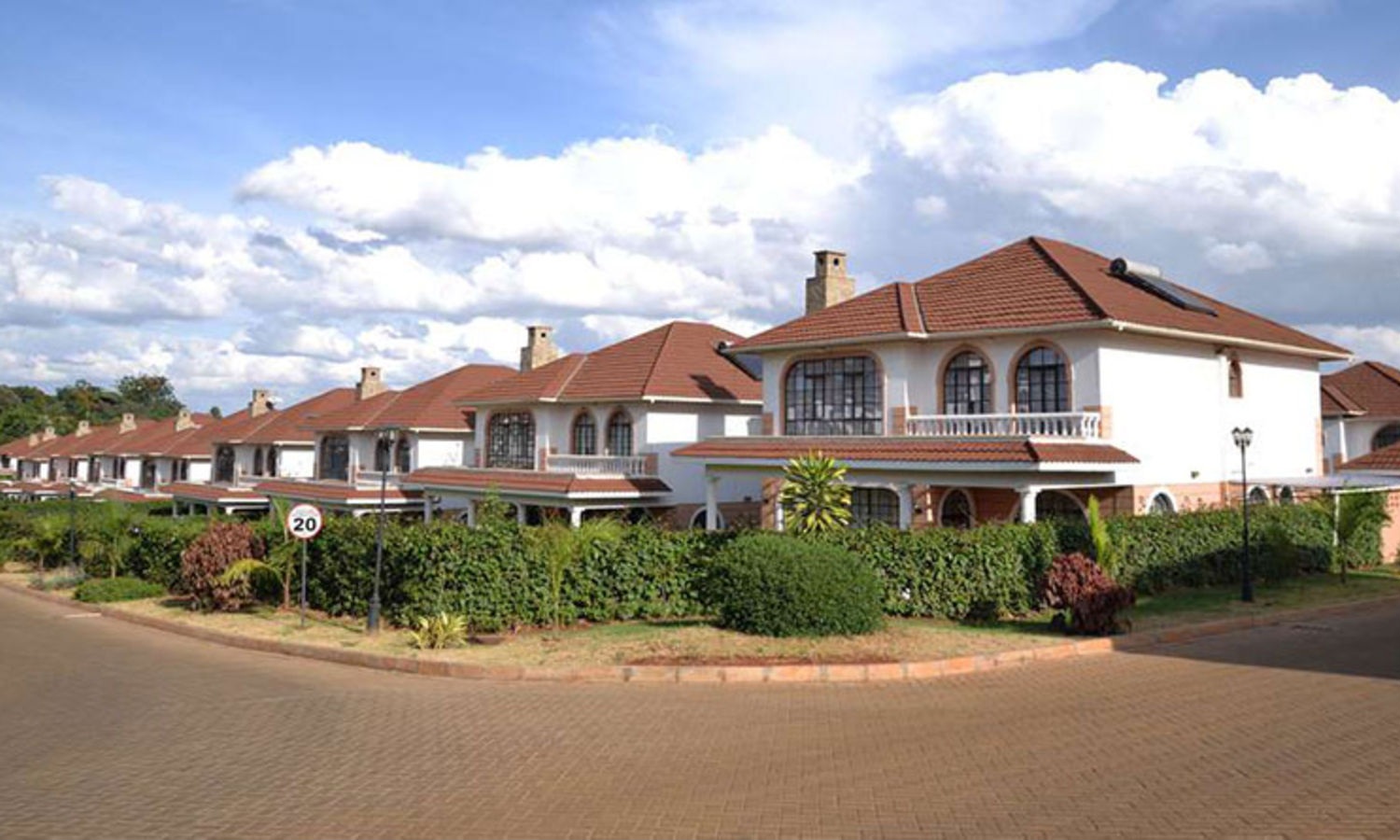
Kenya’s luxury housing market is demonstrating remarkable resilience in 2025, defying broader economic headwinds and emerging as a bright spot in the nation’s property sector.
New industry data reveals that affluent buyers continue to drive robust activity in Nairobi’s most exclusive neighborhoods, with cash-rich investors absorbing price increases that would be unsustainable in the middle-market segment.
This divergence between luxury and middle-income property performance underscores the growing wealth inequality shaping Kenya’s real estate landscape and broader economy.
Fresh figures from the HassConsult House Price Index for the third quarter of 2025 paint a picture of sustained strength in Kenya’s upper-tier property market. Overall property prices across Nairobi rose by 8.2 percent over the past year, with a 1.1 percent increase recorded during the latest quarter alone.
These gains significantly outpace Kenya’s official inflation rate, suggesting that real estate continues to serve as an effective store of value for wealthy Kenyans and international investors seeking to preserve capital in uncertain times.
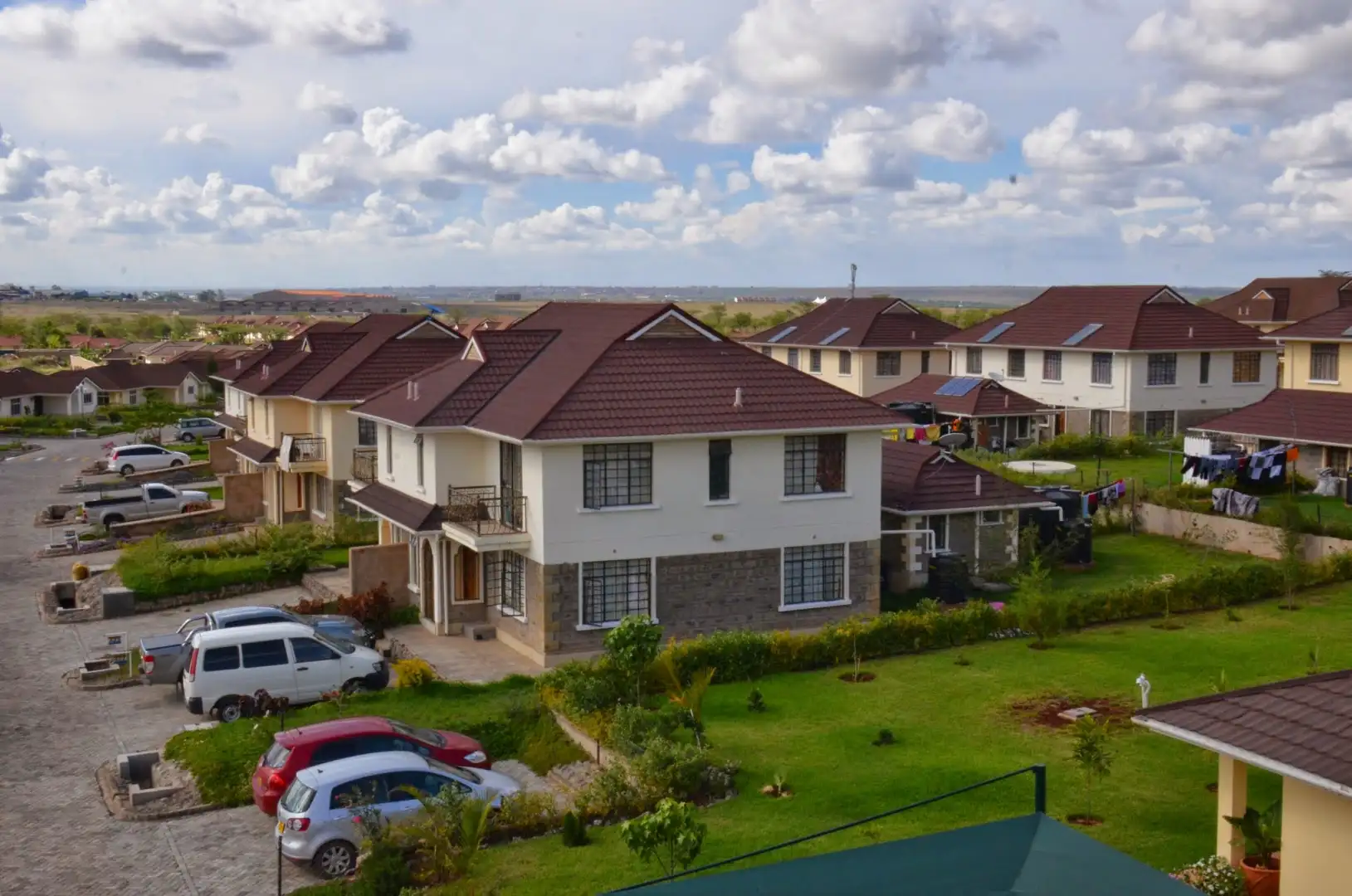
The strongest performance was recorded in detached homes within secure, master-planned estates—a segment that has consistently attracted cash-rich buyers prioritizing privacy, space, security, and long-term capital appreciation over rental yields or short-term returns.
This preference reflects a fundamental shift in how affluent Kenyans and diaspora investors approach real estate investment, moving away from purely financial considerations toward lifestyle quality and family security concerns.
The data suggests that despite Kenya’s challenging macroeconomic environment—characterized by high interest rates, elevated inflation, currency depreciation, and fiscal consolidation pressures—the wealthiest segment of the population remains largely insulated from these headwinds.
This resilience stems from several factors: reduced reliance on mortgage financing, diversified income sources including foreign currency earnings, and the ability to delay discretionary purchases during economic downturns without sacrificing essential needs.
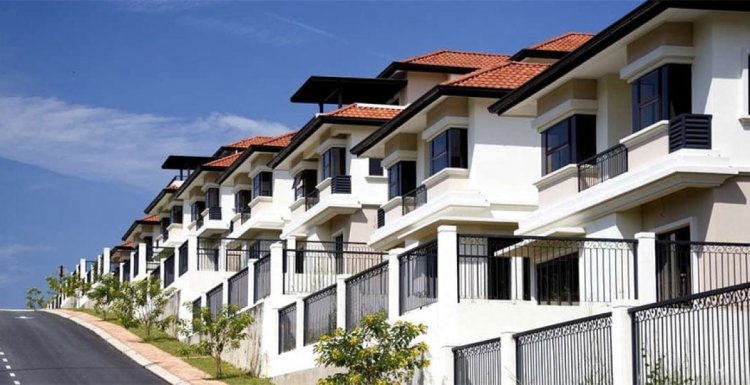
Runda emerged as the quarter’s standout performer, recording an extraordinary 15.3 percent surge in annual sale prices—the highest growth rate among all tracked neighborhoods. Real estate agents operating in this exclusive suburb report intense interest from well-capitalized buyers, including a significant contingent of diaspora investors who have accumulated wealth abroad and are now repatriating capital into Kenyan real estate as a long-term investment and potential retirement strategy.
The Runda phenomenon reflects several converging factors. First, the suburb’s reputation as one of Nairobi’s most secure residential areas continues to attract families willing to pay premium prices for peace of mind. The neighborhood’s well-maintained infrastructure, including private roads, reliable water supply, and organized security arrangements through residents’ associations, creates an environment that stands in stark contrast to the infrastructure challenges facing many other Nairobi neighborhoods.
Second, Runda’s large compound sizes—typically ranging from one to five acres—appeal to high-net-worth individuals seeking privacy and the ability to create comprehensive residential estates with amenities such as swimming pools, tennis courts, extensive gardens, and staff quarters. In an increasingly urbanized Nairobi where land is scarce and densification pressures mount, such spacious properties represent increasingly rare assets likely to appreciate significantly over time.
Third, the suburb benefits from its proximity to international schools, shopping centers, healthcare facilities, and diplomatic missions, creating what urban planners call “location efficiency”—the ability to access essential services and amenities without traversing Nairobi’s often congested road network.
Following closely behind Runda was Muthaiga, which recorded a 13.9 percent annual price increase, reaffirming its status as one of Nairobi’s most prestigious addresses. This historic suburb, originally developed during Kenya’s colonial era as a residential area for wealthy settlers and later adopted by Kenya’s post-independence elite, continues to command premium prices due to its central location, mature tree-lined streets, and exclusivity maintained through strict planning controls and residents’ association oversight.
Ridgeways posted the third-highest growth rate at 12.9 percent, further cementing the dominance of Nairobi’s traditional blue-chip suburbs. These three neighborhoods collectively illustrate a broader trend: in Kenya’s bifurcated property market, elite areas continue to attract capital even as middle-income segments struggle with affordability challenges.
Other established affluent neighborhoods also demonstrated strong performance. Loresho, Karen, and Lavington posted annual growth rates ranging between 7 and 11 percent, indicating broad-based strength across Nairobi’s luxury property market rather than isolated pockets of growth. Karen, historically known for its expansive estates and equestrian culture, continues to attract buyers seeking a more rural ambiance within convenient reach of the city center.
While most luxury districts thrived, several formerly high-demand areas registered notable declines, revealing important structural shifts in Nairobi’s premium property market. Gigiri saw prices fall by 6.1 percent, while Westlands dipped by nearly 2 percent—reversing years of steady appreciation that had been driven primarily by diplomatic and corporate housing demand.
Market analysts attribute these declines to a significant slowdown in expatriate and corporate relocation activity. Several international organizations, non-governmental organizations (NGOs), and multinational corporations have scaled back their Nairobi operations in recent years, partly reflecting the decentralization of international aid operations following global budget pressures and partly due to security reassessments that have led some organizations to relocate regional headquarters to alternative African cities.
This exodus has particularly impacted neighborhoods that had become heavily dependent on expatriate demand. Gigiri, which hosts numerous diplomatic missions and international organizations including the United Nations offices, had seen rental and purchase prices inflated by expatriate housing allowances that often far exceeded what local buyers could afford. As these tenants departed, property owners faced the stark choice between accepting significantly lower rents from Kenyan tenants or leaving properties vacant in hopes of attracting remaining expatriates.
Similarly, Westlands—a mixed-use district combining residential, commercial, and entertainment facilities—had benefited from its appeal to expatriate professionals seeking urban convenience and proximity to Nairobi’s business districts. The reduction in this demographic has forced landlords to recalibrate pricing expectations and adapt properties to appeal to wealthy Kenyan buyers whose preferences differ from expatriate tenants in important ways, including larger family sizes requiring more bedrooms and different expectations regarding finishes and amenities.
This structural shift represents a fundamental transformation in Nairobi’s luxury property market. The sector is increasingly driven by local and diaspora cash buyers pursuing owner-occupation or long-term investment strategies, rather than expatriate tenants or corporate leases seeking short-term rental properties. This transition may ultimately prove healthy for market stability, reducing dependence on volatile international organizations’ location decisions, but the adjustment process is painful for property owners who purchased or developed properties specifically targeting expatriate demand.
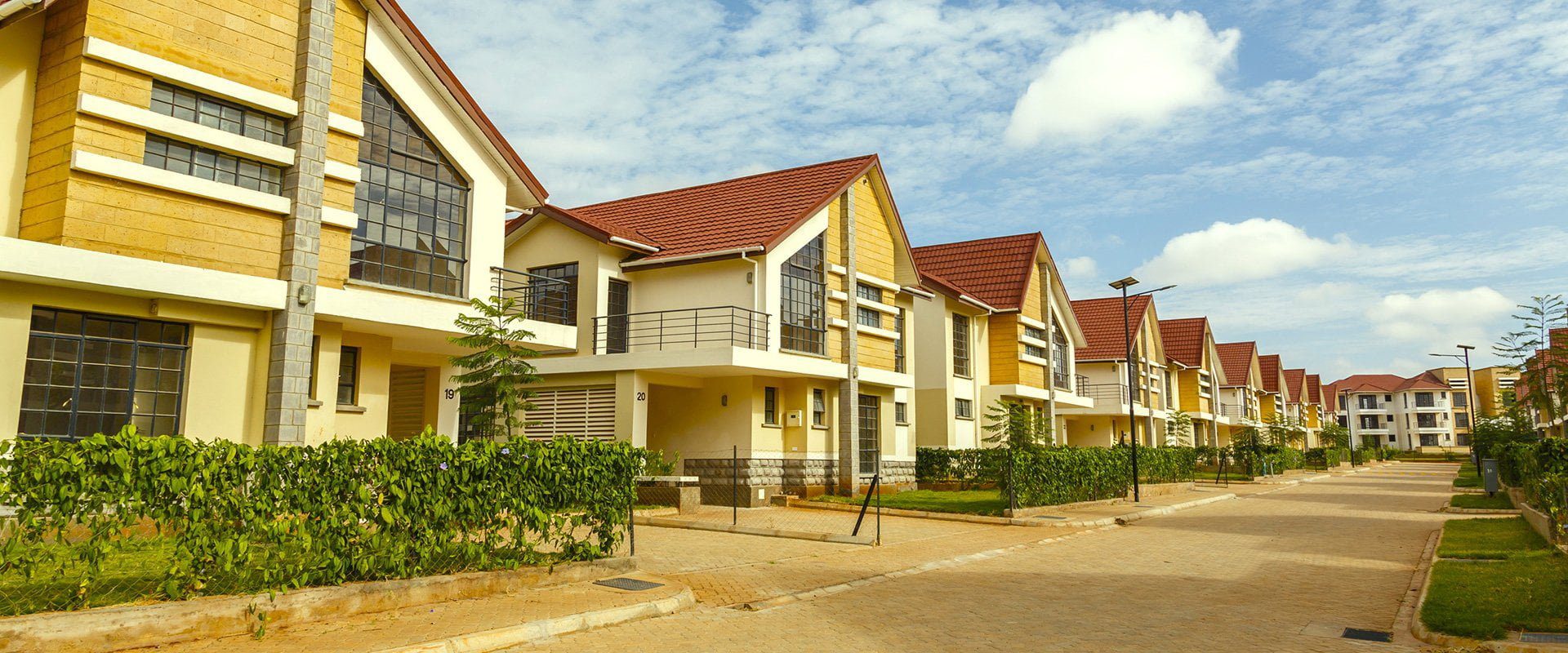
The rental market across Nairobi delivered highly varied performance, reflecting the heterogeneous nature of tenant demand across different price points and locations. Spring Valley posted a 7.4 percent rent increase, the highest among tracked neighborhoods, while Lang’ata rose 7.2 percent—both neighborhoods benefiting from tenants seeking more affordable housing options that still offer reasonable proximity to central Nairobi and access to essential services.
Lavington also recorded moderate rental gains, suggesting that middle-upper rental properties with good security and infrastructure continue to find tenant demand despite broader economic pressures. These neighborhoods occupy a sweet spot in Nairobi’s rental market: offering significantly better security and infrastructure than truly middle-income areas while remaining affordable to professional families earning solid but not extraordinary incomes.
In stark contrast, the premium rental segment continued to soften considerably. Muthaiga rents dropped by 8.1 percent, while Nyari Estate declined 5.3 percent—both neighborhoods suffering from the departure of expatriate and corporate tenants who had historically underpinned rental demand in these exclusive areas. The magnitude of these declines suggests that the adjustment process remains incomplete, with further rental corrections likely until supply aligns with local tenant demand at more affordable price points.
This rental market rebalancing is forcing property owners and developers to fundamentally rethink their strategies. Luxury homes designed and priced for expatriate tenants often require significant modifications to appeal to Kenyan renters, including reconfiguring spaces to accommodate larger families, adjusting finishes to reflect local preferences, and most importantly, reducing rental expectations to levels supportable by even wealthy Kenyan professionals’ incomes rather than generous expatriate housing allowances.
Some property owners are exploring alternative strategies, including converting large single-family homes into multiple residential units, transitioning properties from residential to commercial or hospitality uses where zoning permits, or simply accepting lower occupancy rates while maintaining higher asking rents in hopes of eventual expatriate market recovery. Each approach carries distinct risks and opportunities that will influence individual property performance over coming years.
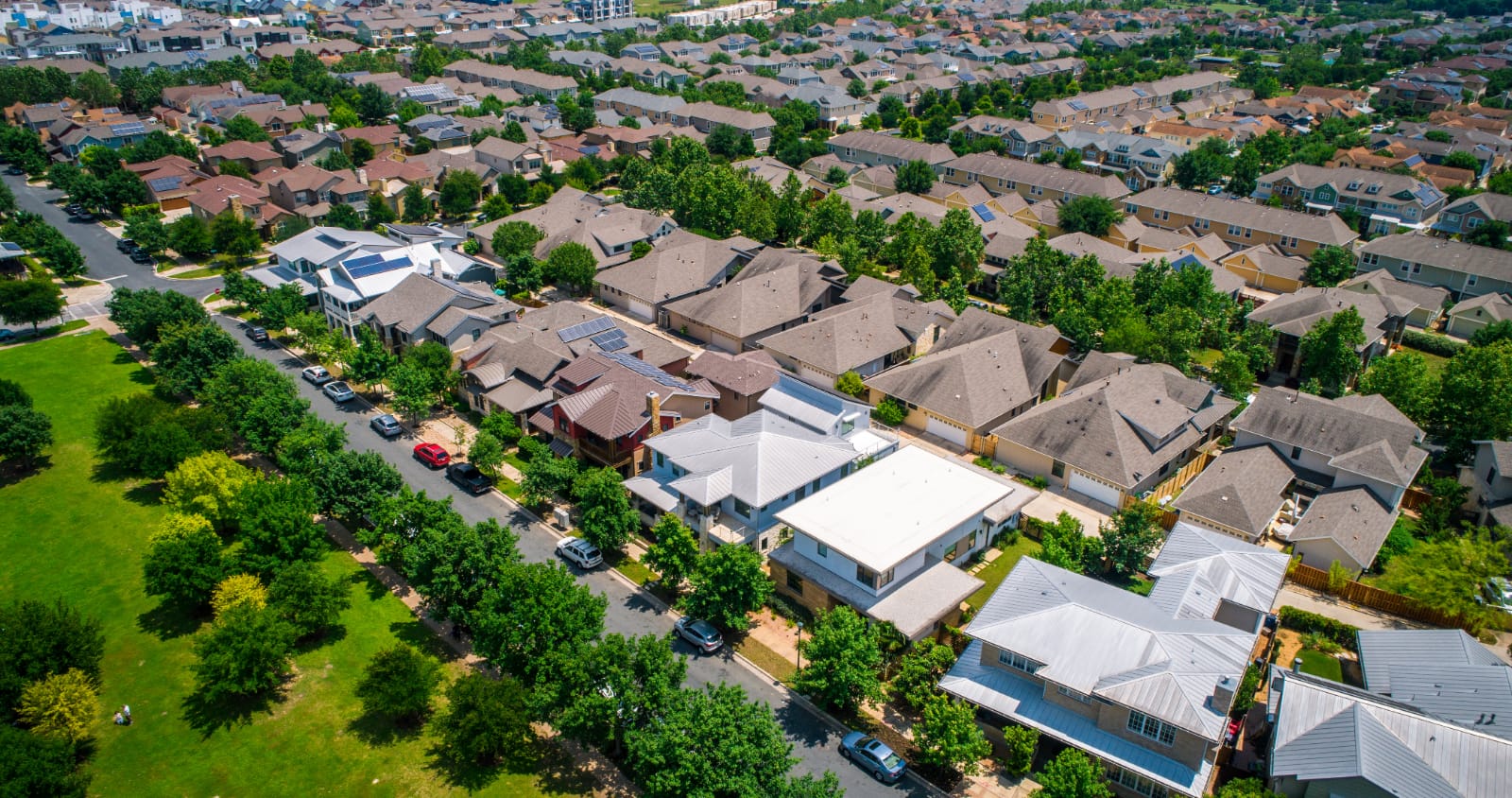
While Nairobi’s established luxury suburbs commanded premium prices, several satellite towns emerged as attractive alternative investment destinations for buyers seeking value and growth potential. Athi River, Ruaka, and Kitengela attracted increasing attention from middle-income buyers priced out of Nairobi’s central suburbs, offering lower entry points, improving infrastructure, and better connectivity via roads and commuter routes.
Athi River recorded a 4.3 percent rise in sale prices during the latest quarter, continuing a steady upward trajectory that reflects a fundamental shift toward suburban and peri-urban living patterns. This industrial town located approximately 30 kilometers southeast of Nairobi has benefited from significant infrastructure investments, including road improvements along the Mombasa Highway and expansion of the Standard Gauge Railway that have improved commuting times and cargo transport efficiency.
Ruaka, situated along the Northern Bypass and increasingly integrated with Nairobi’s urban fabric, has transformed from a relatively undeveloped area into a thriving residential and commercial hub within a decade. The neighborhood’s growth has been driven by aggressive development of apartment complexes and mixed-use projects targeting middle-income buyers seeking modern housing with good road access to Nairobi’s business districts at prices significantly below those in established suburbs.
Kitengela, located south of Nairobi along the Namanga Road, appeals to buyers seeking larger plots at affordable prices while remaining within commuting distance of the capital. The town has attracted particular interest from young families and small-scale real estate investors purchasing land for gradual development as financial resources permit—a strategy known locally as “plot buying” that allows incremental wealth accumulation through real estate.
These emerging nodes are increasingly appealing to investors seeking rental yields, speculative land value appreciation, and access to Nairobi’s economic opportunities without the cost burden of established suburbs. Developers are responding with projects specifically designed for these markets, including gated communities offering security and amenities previously available only in premium neighborhoods, affordable apartment complexes with modern finishes, and mixed-use developments combining residential, commercial, and light industrial components.
The growth of satellite towns also reflects broader urbanization trends across Kenya. As Nairobi’s population continues expanding—projected to exceed 6 million people by 2030 according to UN-Habitat estimates—the city’s physical footprint necessarily expands outward. This urban sprawl creates investment opportunities in areas that gradually transition from rural or peri-urban character to fully integrated urban neighborhoods, though it also raises important questions about sustainable urban development, infrastructure provision, and environmental management.
As 2025 progresses toward 2026, Kenya’s property market appears set to continue exhibiting the bifurcated pattern evident in recent quarters. The luxury segment remains fundamentally resilient, supported by cash buyers with long-term investment horizons, limited supply of prime properties in established neighborhoods, and ongoing wealth accumulation among Kenya’s affluent classes despite broader economic challenges.
Kenya’s underlying housing demand fundamentals remain strong despite current economic challenges. Rapid urbanization continues as rural populations migrate to cities seeking economic opportunities. The country’s growing affluent class—though a small percentage of total population—continues expanding in absolute numbers as successful entrepreneurs, professionals, and diaspora members accumulate wealth. Security-conscious buyers prioritize secure residential environments given persistent concerns about crime and social stability.
These structural factors suggest that Kenya’s property market, particularly the luxury segment, will continue attracting investment and demonstrating resilience even as the nation navigates economic headwinds.