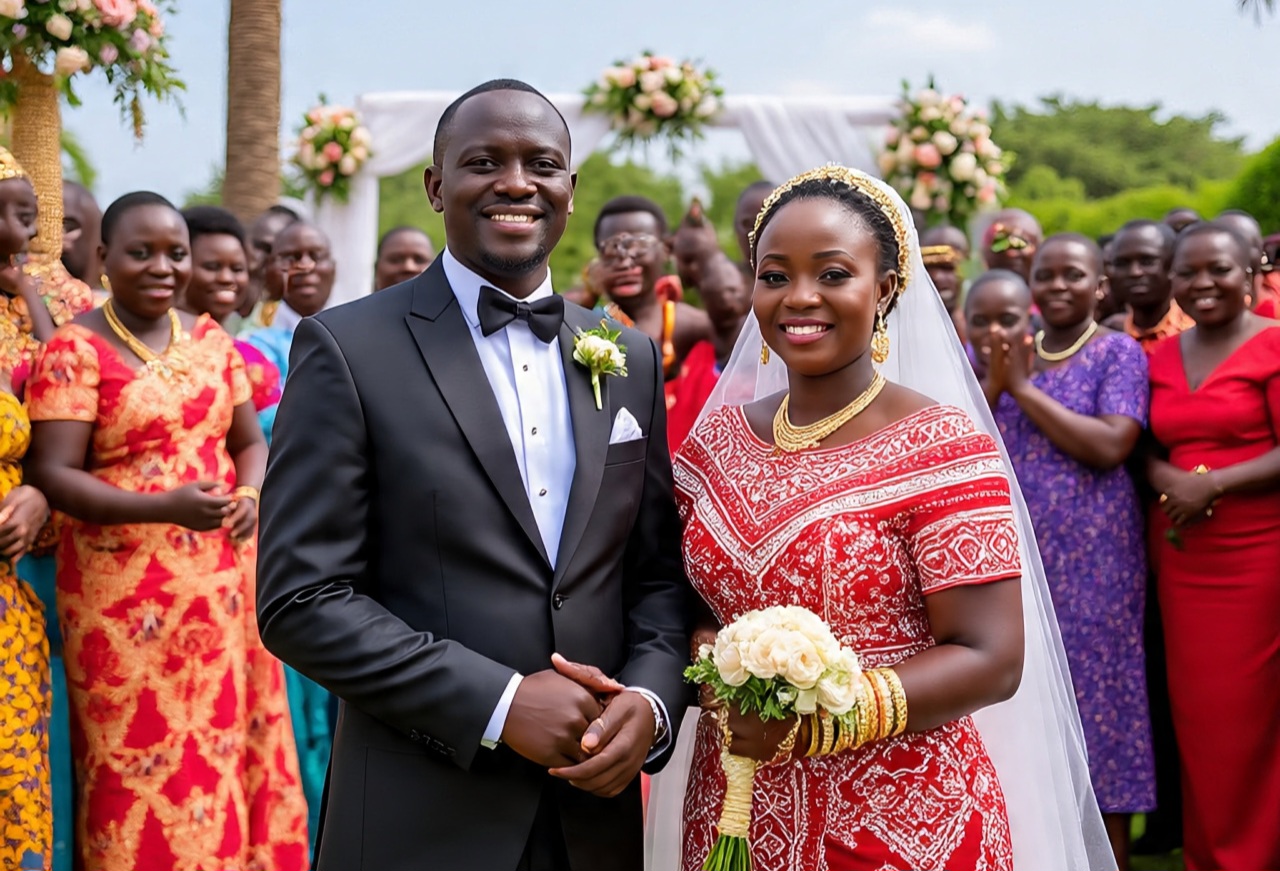
For centuries, marriage has been revered as the cornerstone of society. A sacred bond, a partnership, a life sentence—sorry, we mean commitment that defines adulthood and stability. But millennials, are flipping the script on this age-old institution.
Gone are the days when marriage was the ultimate milestone in a person’s life. Millennials are reshaping the concept of success, focusing on personal development, career achievements, and significant experiences rather than on a white gown or a tuxedo.
Why? Because millennials are pondering the tough questions: “Do I wish to marry, or is it society dictating that I should? ” This change in focus is not driven by selfishness; it stems from self-awareness. By opting to postpone or skip marriage, they are creating lives that resonate with their personal aspirations, rather than conforming to societal norms.
Millennials experienced the exceptionally high divorce rates of their parents’ generation. Many observed their mothers and fathers remaining in unhappy marriages for the sake of appearances or their children. And millennials? They’re stating, “No thanks. ”
This generation has made it normal to leave relationships that do not benefit them, even if they are married. Divorce is no longer seen as a taboo but rather as a representation of self-respect and bravery. Millennials are demonstrating that it’s preferable to depart from something damaged than to exist in denial, pretending all is well.
Let’s talk money. Millennials are the most financially burdened generation in modern history, grappling with student loan debt, skyrocketing housing costs, and stagnant wages. Throwing a Ksh 3 Million wedding just doesn’t make sense to them when they’re struggling to build savings, buy land or build a home. Instead, they’re prioritizing financial stability over flashy ceremonies. They’re choosing to invest in their futures paying off debt, traveling, or starting businesses—before (or instead of) tying the knot. The result? Healthier, more secure partnerships that aren’t built on a foundation of financial stress.
Millennials prioritize emotional closeness instead of societal acceptance. They’re delving into profound inquiries regarding compatibility, values, and mutual objectives. This generation is willing to invest years in a relationship before determining if marriage is even necessary.
Indeed, numerous millennials contend that marriage does not ensure happiness or security. Rather, they’re concentrating on cultivating strong emotional foundations, regardless of whether that occurs within or beyond a marital context. It emphasizes quality over tradition.
Marriage, in its historical context, has been fraught with gender disparity. Millennials are dismantling that archaic model, insisting on partnerships founded on equality. They’re rejecting the notion that one partner (typically the woman) needs to forfeit their career or ambitions for the other.
Equal household duties, fair financial contributions, and mutual respect are essential for millennial couples. This transformation isn’t merely progressive; it’s crucial for fostering partnerships where both individuals can flourish.
By tearing down outdated notions of marriage, millennials are building something better. They’re fostering a culture where love is a choice, not an obligation. Relationships are based on mutual respect, not societal pressure. And marriage, if it happens, is a deliberate decision rather than a default expectation.
This shift is freeing individuals to live authentically, prioritize their well-being, and redefine what commitment means in a rapidly changing world. Millennials may be “destroying” the concept of marriage as we know it, but in its place, they’re creating a more inclusive, equitable, and meaningful vision of love. And that’s a revolution worth celebrating.
Millennials are redefining the concepts of love and marriage, escaping old customs and forming a daring new perspective on relationships. By dismissing social expectations and reimagining commitment through unconventional partnerships, this transformative generation is altering our perceptions of love. They are placing greater importance on emotional closeness, financial security, and equality instead of traditional wedding celebrations and extravagant events. Rather than damaging the institution of marriage, millennials are demonstrating that their nontraditional methods could be essential for fostering healthier and more fulfilling relationships in the modern era.