It begins with a moment of panic or impatience. You need a copy of your vehicle’s records, and you need it now. You Google it, click the first professional-looking link, and pay KES 920 to a site promising results in minutes. But the email never comes, and your money is gone.
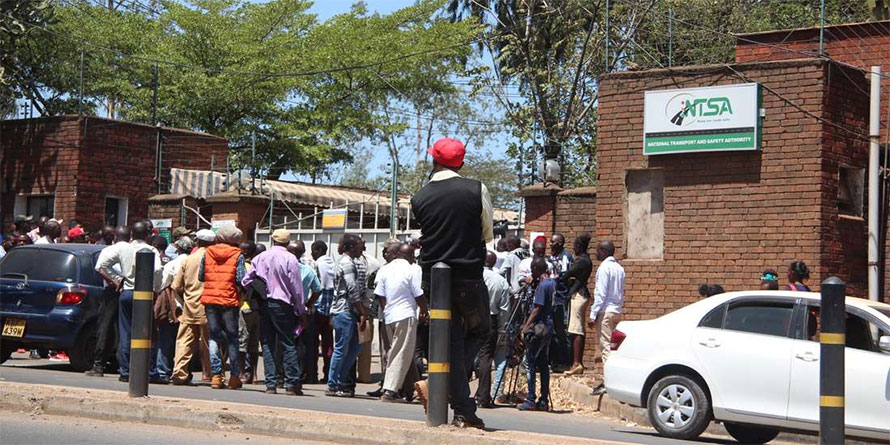
This is the reality for scores of Kenyan motorists this week, prompting the National Transport and Safety Authority (NTSA) to issue a red alert yesterday regarding a sophisticated phishing website operating under the name “mVERIFIED.”
The site, which mimics official government branding, is harvesting personal data and defrauding citizens by claiming to offer instant logbook searches and motor vehicle records.
The scam is designed to exploit the digital migration of government services. According to the NTSA’s investigative team, the fraudulent platform lures users with the promise of “instant” email or SMS delivery of sensitive documents—a feature the official system does not use in that manner.
The most glaring red flag, however, lies in the payment. While the official government fee for a Copy of Records is KES 550, the scammers have inflated this to KES 920. Worse still, the payment instructions direct users to send money to a personal mobile number rather than the official government Paybill (222222).
“Alert: mVERIFIED website does not belong to NTSA,” the Authority stated in a stern notice released Wednesday. “If you have been conned via this website, report the matter to the nearest police station immediately.”
For the average Kenyan, distinguishing between a legitimate e-service and a scam can be difficult. Security analysts point to three critical checks that every motorist must perform before keying in their PIN:
The URL Test: The only legitimate portal for these services is serviceportal.ntsa.go.ke, accessible via the eCitizen platform. Any site ending in .com, .org, or .net claiming to be NTSA is a fraud.
The Payment Destination: Government services never ask you to send money to a person’s name (e.g., "John Doe"). Payments are strictly processed through the official eCitizen Paybill.
The Delivery Method: Genuine NTSA documents are generated for immediate download within the portal’s "Application History" tab, not emailed to you by a third party.
A Recurring Headache
This is not the first time the NTSA has battled digital impersonators. Earlier this year, the Authority had to disown a viral TikTok account (“ntsaknya”) that was soliciting bribes to “fast-track” driving licenses. These scams often spike during festive seasons or end-of-year periods when vehicle transfers and purchases hit their peak.
The cost of falling victim goes beyond the lost KES 920—roughly the price of five packets of maize flour. The greater risk is identity theft. By handing over your chassis number and ID details to criminals, you expose yourself to vehicle cloning fraud, where your car’s identity is used to legitimize a stolen vehicle.
The NTSA maintains that vigilance is the only firewall. “We urge the public to verify website addresses carefully,” the Authority noted. “Do not let the promise of a shortcut lead you into a dead end.”