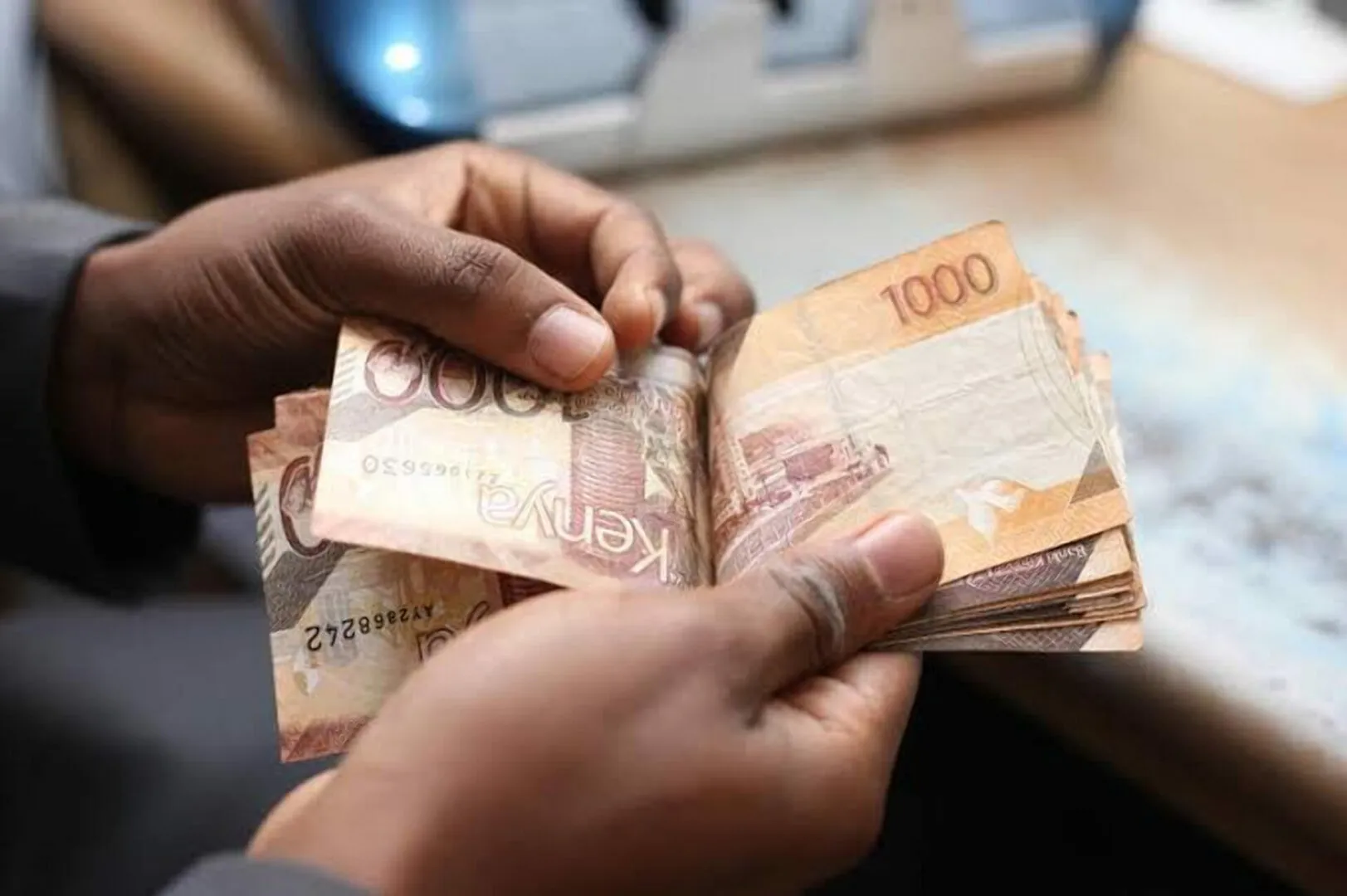
The Kenya shilling posted its strongest intra-day gain against the US dollar in the last 17 Months on Tuesday, reaping from a tide of investor confidence over a successful Eurobond buyback and improved macroeconomic fundamentals tied to the central bank's latest monetary committee outlook.
As markets opened on Tuesday, December 16, the shilling traded at 128.96 against the Dollar, gaining from its previous average of 129, where it had largely remained stable for over a year.
Notably, the local currency clocked the stable exchange (129 average) one-year milestone in August this year.
It began to retreat from the 130 mark in late July 2024, following a period of consecutive strengthening since early February, when it hit the historic low of 160.
Now at an average of 128, the performance represents the currency’s strongest level in 17 months, a record that has not been seen since mid-2024.
The sustained stability since last year was attributed to the successful settlement of the inaugural $2 billion (Sh259.6 billion) Eurobond buyback plan, where the government paid back $1.5 billion (Sh194.7 billion) in February, boosting investor confidence.
According to the National Treasury, the stability is also underpinned by improved macroeconomic fundamentals, including improvements in foreign exchange inflows, driven by sustained diaspora remittances, strong export performance, and a rebound in tourism, which have in turn strengthened foreign exchange reserves.
Foreign-exchange reserves rose to $12.03 billion as of December 4, 2025, equivalent to 5.2 months of import cover—well above the central bank’s statutory minimum of four months and representing the strongest reserve position since the Bank began weekly disclosures.
This marks a significant improvement from the 4.7 months of import cover reported earlier in the year and represents the first time FX reserves have crossed the $12 billion mark, following a substantial build-up that began in October 2025. The strengthening of reserves has been driven by multiple factors, including proceeds from the government’s successful October 2025 Eurobond issuance, which raised $1.5 billion across seven- and twelve-year tranches.
Diaspora remittances have also played a crucial role, with the Ministry of Foreign Affairs and Diaspora Affairs reporting that remittances crossed the Ksh 1 trillion mark for 2025, underpinned by the government’s engagement with Kenyan communities abroad. Remittances provide a stable and predictable source of foreign exchange inflows, supporting both the reserve position and household incomes, thereby contributing to consumption-driven economic growth.
Additionally, export growth has contributed to reserve accumulation, with exports rising by 6.7% in the twelve months to October 2025, driven by stronger demand for horticulture, coffee, manufactured goods, and apparel. Services receipts also increased, further supporting the external position.
The robust reserve position provides the Central Bank of Kenya with multiple benefits. It enhances CBK’s ability to manage short-term currency volatility without aggressively drawing down holdings, supports confidence in the shilling’s stability, provides a cushion for upcoming external debt-service payments in early 2026, and signals to international investors and rating agencies that Kenya has adequate buffers to manage external shocks.
Meanwhile, the exchange rate stability is critical for several reasons. It anchors inflation expectations by ensuring that import prices remain predictable, reduces balance sheet risks for businesses and the government with foreign currency liabilities, supports investor confidence in Kenya as a destination for foreign investment, and enables the central bank to focus monetary policy on domestic objectives rather than defending the currency.
With import costs directly tied to the strength of the shilling, the sustained rate signals some respite for the economy, particularly in stabilising the prices of imported goods.
Compared to the period last year when it traded at an all-time low of 160, the local currency has gained about 32 unit values, representing a 20 per cent gain.
If the 128 average is maintained, importers will spend about Sh32 less than what they used to purchase a single dollar for imports when the shilling was at its lowest.
A strong shilling against the green buck is also expected to cut down debt burden pressure since most of it is dollar-denominated.
World Bank’s latest economic update for Kenya says the country’s external debt profile has improved in the short term, supported by the appreciation of the shilling and government efforts to reduce refinancing risks.
Meanwhile, the latest gains come exactly a week after the Central Bank of Kenya (CBK) reduced its benchmark interest rate by 25 basis points to 9.0%, marking an unprecedented ninth consecutive rate reduction that brings borrowing costs to their lowest level since January 2023.
The Monetary Policy Committee’s (MPC) decision on Tuesday, December 9, extends the longest easing cycle in the region and reflects sustained confidence in Kenya’s inflation trajectory, strengthening external buffers, and the central bank’s determination to stimulate private sector credit growth without compromising price stability.
Governor Kamau Thugge emphasized that the rate reduction “will augment the previous policy actions aimed at stimulating lending by banks to the private sector and supporting economic activity,” adding that “the cut will also ensure inflation expectations stay firmly anchored, and the exchange rate remains stable.”
The continued monetary easing has significant implications across the economy. For businesses, lower borrowing costs should gradually improve access to affordable credit for working capital and investment. Companies contemplating expansion projects may find financing more attractive, though they will need to weigh borrowing costs against demand prospects and other operating challenges.
For consumers, the rate cuts should eventually translate into lower rates on consumer loans, including mortgages, vehicle financing, and personal loans, though the transmission to retail lending rates typically lags policy changes. However, the benefits of lower rates must be weighed against elevated food prices and other cost-of-living pressures affecting household budgets.
For investors, Kenya’s monetary easing cycle and strengthened external position enhance its attractiveness relative to regional peers. The stable inflation environment, improving growth outlook, and supportive policy stance create a more predictable investment climate. However, investors must also consider ongoing debt sustainability concerns and structural challenges that could limit long-term growth potential.
For the banking sector, lower policy rates reduce net interest margins as lending rates decline, potentially pressuring profitability. However, increased loan volumes from accelerating credit growth could offset margin compression, and reduced NPLs as economic conditions improve would benefit asset quality.
Kenya’s ninth consecutive rate cut positions it as the most aggressive easer among major East African economies. While this reflects favorable domestic conditions—particularly anchored inflation expectations and strengthened external buffers—it also provides Kenya with a competitive advantage in attracting investment capital seeking higher returns in an easing environment.