Kenya has achieved a significant milestone in its quest for food sovereignty by successfully signing a Ksh 40 Billion Contract for the Galana Kulalu Dam, signaling a potentially transformative phase in the country’s efforts to rebuild domestic food production capacity and dramatically reduce reliance on costly agricultural imports that drain foreign exchange reserves.
Signed in Nairobi, the contract between the National Irrigation Authority (NIA) and China Communications Construction Company Kenya Ltd, covers the engineering, construction and financing of the dam and its irrigation water conveyance system.
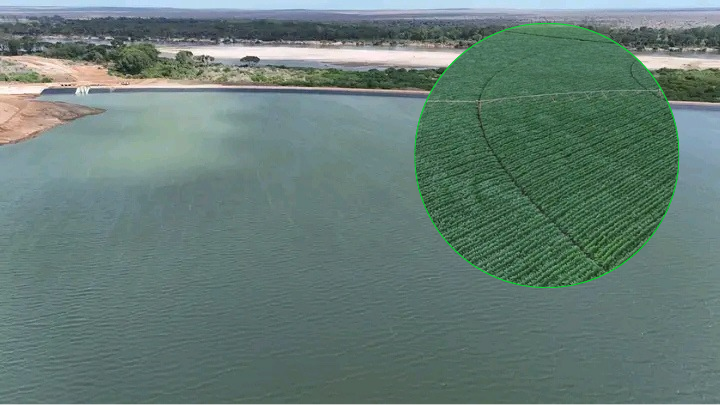
The project is expected to be one of the largest irrigation investments in the country once completed. According to project details, the dam will have a storage capacity of 305 million cubic metres of water and is expected to deliver up to one billion cubic metres annually. Beyond boosting crop production, it is also designed to supply safe drinking water to about 70,000 households.
The financing model reflects the project’s strategic importance. The dam is a joint investment between the governments of Kenya and the United Arab Emirates, alongside China Communications Construction Company Kenya Ltd.
Kenya’s contribution will be financed through the National Infrastructure Fund, with returns expected under the Water Purchase Agreement Framework already established in law.
At the signing ceremony, NIA Chief Executive Officer Charles Muasya said the agreement marked a critical milestone for the irrigation sector. He stated, "This project will unlock the full potential of Galana Kulalu and demonstrate what well-planned irrigation can achieve for food security and rural development."
Government officials argue that the wider economic impact could be significant. Targeted to increase agricultural output, the project is expected to stabilise food prices, reduce imports and expand exports.
President William Ruto welcome the agreement, framing it a turning point in Kenya’s quest for food security and a decisive shift from rain-fed agriculture to large-scale, reliable irrigation. He said the project would “strengthen our food security by irrigating up to 300,000 acres at Galana Kulalu in Tana River and Kilifi counties,”.
“By strengthening agricultural productivity and food security, we will stabilise food prices, reduce imports, grow exports and expand agro-processing and value addition,” President Ruto said, adding that this would “create thousands of jobs for our young people and drive inclusive economic growth.”
The Galana Kulalu Food Security Project, spanning extensive portions of Kilifi and Tana River counties in Kenya’s coastal region, was initially launched with considerable fanfare in 2014 as the country’s flagship irrigation initiative. The project was designed to unlock the vast agricultural potential of Kenya’s arid and semi-arid lands (ASALs), which constitute approximately 80% of the nation’s landmass but have historically remained largely unproductive due to water scarcity and inadequate infrastructure.
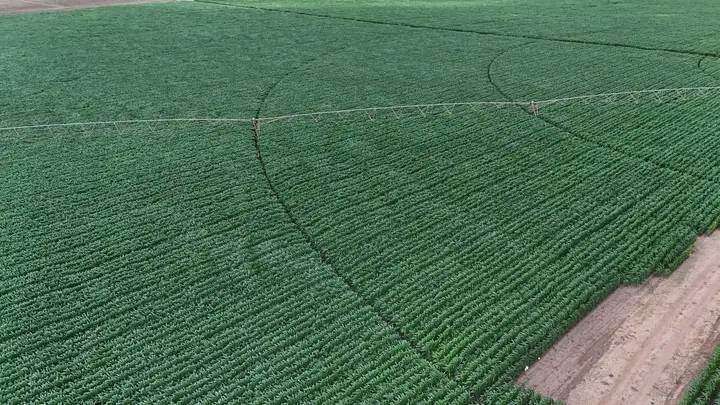
Despite the optimism, earlier efforts to develop the scheme faltered badly until a recent revival.
Following the initial efforts that backfired, government opted for a PPP deal that finally paid off. In October last year, Kenya successfully harvested its first maize crop under the Irrigation Scheme. The initial 1,500 acres brought under modern irrigation yielded between 28 and 30 bags of seed maize per acre during this inaugural harvest—a remarkably strong performance given the challenging semi-arid conditions of the Galana basin and the relatively early stage of soil improvement programs. For context, Kenya’s national average maize yield for smallholder farmers typically ranges between 8 and 15 bags per acre, meaning the Galana Kulalu project is achieving nearly double the national productivity benchmark.
Selu Limited, the private partner responsible for day-to-day operations and production management, last year outlined ambitious but achievable expansion plans that will test the project’s scalability and operational sustainability.
The company plans to expand active cultivation to 5,400 acres by June 2026, representing a more than threefold increase in production area. The long-term development target is significantly more ambitious: to bring 20,000 acres under productive irrigation once additional critical water storage infrastructure and distribution systems are completed.
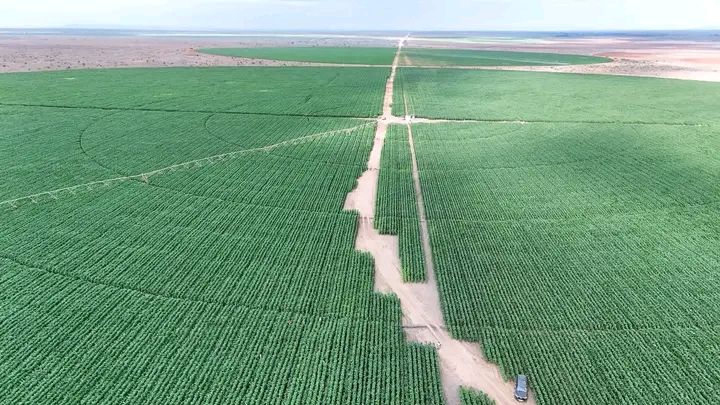
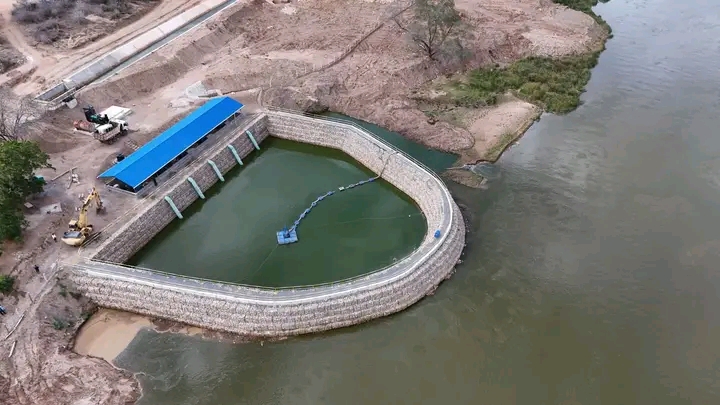
The project already benefits from a comprehensive water management system that includes a 20,000-cubic-metre intake well drawing from the Galana River, a strategically located 550,000-cubic-metre reservoir for water storage, a 2-kilometre main canal for primary water distribution, and a newly constructed 20,000-cubic-metre offtake pump station—infrastructure that collectively stabilizes and secures water supply to support year-round farming operations regardless of seasonal rainfall patterns.
Two small dams already constructed in the region possess the capacity to supply irrigation water for up to 6,300 acres of cultivated land. More significantly, the planned large-scale dam project, once completed, will eventually make technically and economically feasible the irrigation of up to 300,000 acres of currently arid land, transforming vast stretches of the Galana basin into productive agricultural zones.
This infrastructure-first approach represents a marked departure from earlier phases of the project, which attempted to establish farming operations without first ensuring adequate and reliable water storage and distribution systems. The current phase has prioritized building robust water infrastructure before significantly expanding cultivation areas, a sequencing approach that experts argue should have been adopted from the project’s inception.
Government officials have increasingly emphasized that irrigation infrastructure development, rather than continued dependence on highly variable rainfall patterns, will ultimately determine Kenya’s agricultural future and food security prospects.
President William Ruto recently outlined an ambitious proposal to construct 50 mega dams, which would increase land under irrigation by 2.5 million acres across the country. The President emphasized the critical importance of this infrastructure investment, noting that with 85 percent of Kenya classified as arid and semi-arid land, irrigation represents the nation’s pathway to sustainable food production and agricultural transformation.
“With 85 per cent of Kenya being arid and semi-arid, irrigation is the new frontier for increased food production and productivity. Rain-fed agriculture on the remaining 15 per cent has reached its limits,” President Ruto stated, underscoring the urgent need to shift from Kenya’s traditional dependence on rainfall-based farming to a more reliable irrigation-centered agricultural model.
The Kenyan government estimates that the country currently spends approximately KSh500 billion (roughly $3.8 billion) annually on food imports, a substantial economic burden that depletes foreign exchange reserves and exposes the nation to global commodity price volatility. The project aims to significantly reduce this import dependency by dramatically increasing local production capacity for staple crops, particularly maize, which forms the foundation of the Kenyan diet.
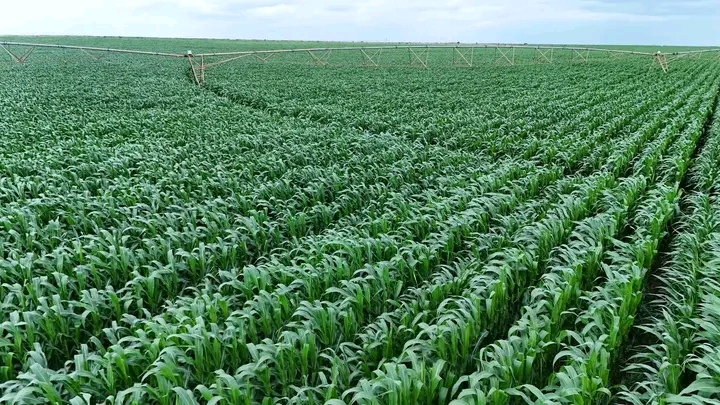
At full operational capacity, Galana Kulalu could potentially become Kenya’s single largest irrigated maize production zone, with cultivated area equivalent in size to the total irrigated land currently under maize cultivation across several other Kenyan counties combined. The project’s ultimate output potential carries implications that extend far beyond national food reserves, potentially contributing to regional grain stability throughout the Horn of Africa, where recurring climate shocks have repeatedly disrupted rain-fed agricultural systems and threatened food security.