






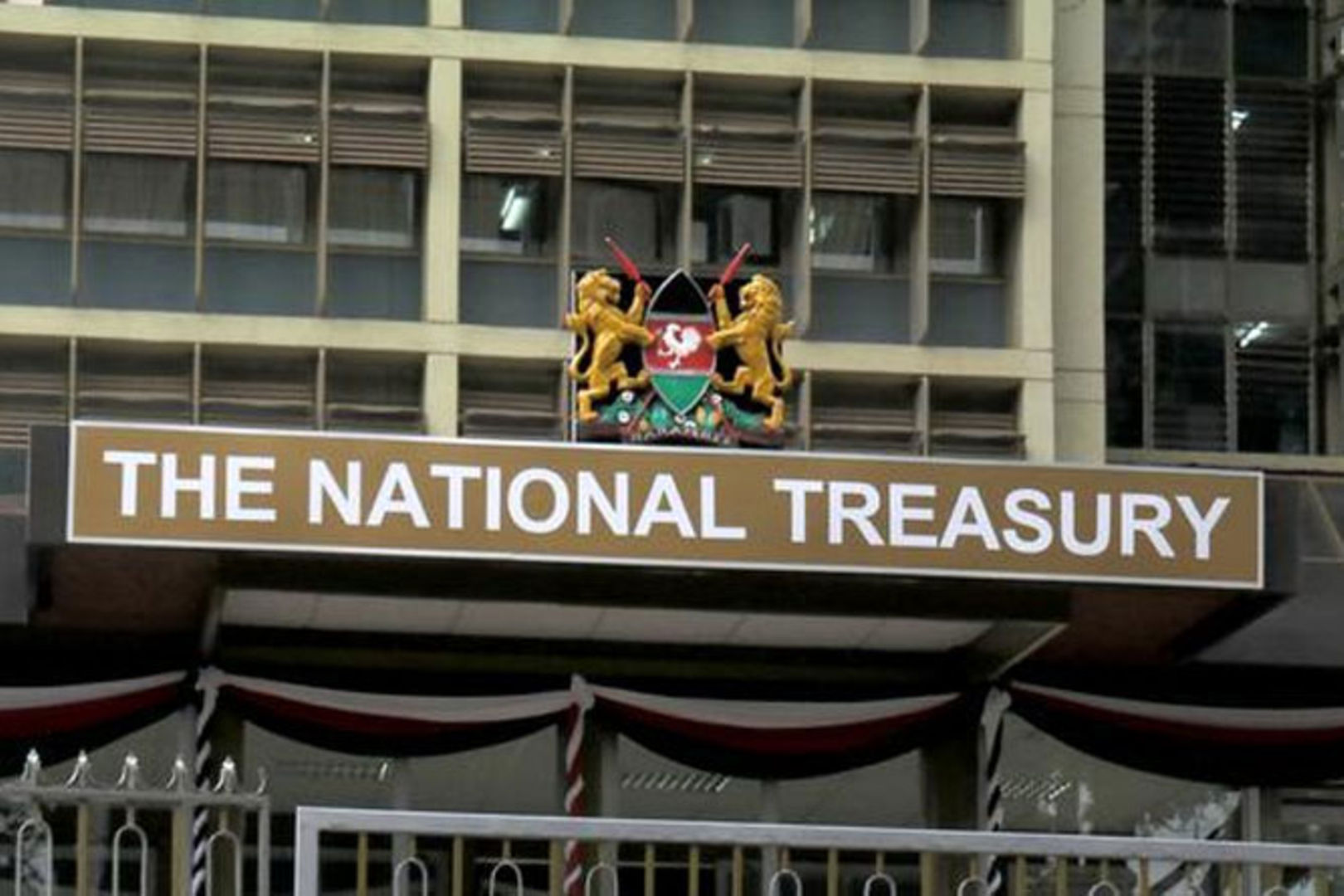
Nairobi, January 16; The National Treasury has reinforced restrictions on hiring across state-owned institutions, extending a freeze that will remain in place for the next three years, dealing a major blow to thousands of job seekers, as the country grapples with high unemployment.
The move is part of the government’s broader plan to manage public expenditure and keep the wage bill under control.
In a circular issued for the 2026-27 fiscal year, Treasury Cabinet Secretary John Mbadi directed that all parastatals and public universities must secure approvals from both their supervising ministry and the Treasury before recruiting any staff.
This directive applies to more than 280 entities and their subsidiaries, continuing measures first introduced in February 2022. Even when positions become vacant due to retirement, resignation, or death, organisations must now obtain fresh authorisation before filling them.
The Treasury says the policy is meant to ensure staffing is aligned with set limits and to prevent unnecessary payroll growth.
“Under this provision and to ensure justifiable and sustainable hiring process, state corporations, including public universities, are obligated to seek and obtain approvals from the respective line ministry and the concurrence of the National Treasury prior to initiating recruitment of new staff or replacements,” the circular emphasises.
The extension of the freeze is expected to maintain tight competition for jobs in state corporations, affecting thousands of graduates and professionals who have relied on public institutions for employment.
Historically, these agencies have been major employers, but the continued freeze has restricted access for qualified candidates seeking formal sector roles.
The Treasury has also placed limits on salary adjustments and other staff benefits, warning that such changes must first be approved by the Salaries and Remuneration Commission (SRC) and confirmed by the Treasury that funds are available.
In addition, the circular instructs parastatals to cut down on non-essential expenses. “Unnecessary spending on travel, training, seminars, consultancies, legal fees, overtime and all non-core activities must be scaled down to the bare minimum,” it states.
Heads of institutions are required to concentrate resources on activities that support their primary mandates.
Treasury says these measures are necessary to curb rising personnel costs and ensure that parastatal budgets remain sustainable.
CEOs who fail to follow the procedures risk having their annual budgets rejected or facing surcharges for irregular actions.
The two-tier approval system now in place places the Treasury at the centre of all recruitment decisions in state-owned entities.