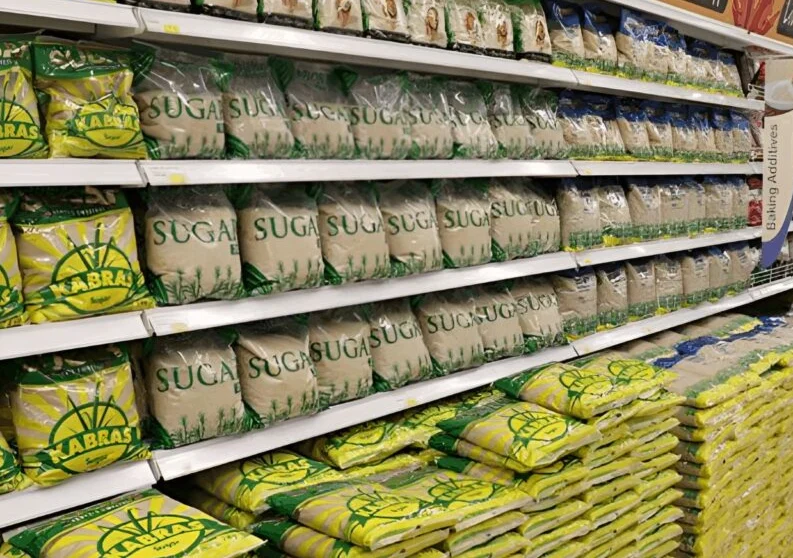
The Kenya Sugar Board (KSB) has embarked on a frantic damage-limitation exercise, flooding the media with optimistic data in a bid to quell growing public anxiety. With retail sugar prices climbing to a painful Ksh 157 per kilogram this January, the regulator is desperate to assure the nation that this is a temporary blip, not the start of another crisis.
The anxiety is well-founded. Following the implementation of the new 4% Sugar Development Levy, consumers have watched shelf prices tick upward, evoking painful memories of the 2023 shortages. However, the KSB’s latest dossier, released this morning, attempts to paint a picture of an industry in robust health, citing a massive surge in local production that should theoretically keep costs down.
The Production Paradox
The numbers presented by the Board are undeniably impressive, yet they clash with the reality at the till. According to the January 2026 report, the volume of sugarcane milled has skyrocketed by 30% to hit 827,482 metric tonnes. Consequently, local sugar production has jumped by 22%, ensuring that warehouses are theoretically full.
"There is no shortage," a senior KSB official insisted. "The price movement is a reaction to the levy and logistical adjustments, not a supply deficit."
Ex-Factory Hikes: Despite the bumper harvest, millers have raised ex-factory prices by 5% to Ksh 6,569 per 50kg bag, passing the new tax burden directly to wananchi.
The Levy Factor: The Sugar Development Levy, intended to fund factory maintenance and research, has become the immediate scapegoat for the price hike.
Import Surge: Curiously, imports have also tripled to 32,517 MT in January, suggesting that traders are hedging against potential future instability.
A Bitter Pill for Consumers
For the average Kenyan household, statistics about "metric tonnes" mean little when tea time becomes a luxury. The rise from Ksh 149 to Ksh 157 in just a month represents a significant inflationary pressure on the breakfast table.
The disconnect between record production and rising prices exposes the inefficiencies of a supply chain riddled with middlemen. As the KSB preaches calm, the market dictates pain. Unless the Board can enforce efficiency to offset the new tax, Kenyans will be paying more for their sweetness, regardless of how much cane is crushed in the factories.
COMESA sugar safeguard exit
The ongoing developments, come days after Kenya formally exited the Common Market for Eastern and Southern Africa (COMESA) Sugar Safeguard regime after 24 years, concluding one of the longest protection mechanisms ever applied to the national sugar sector and signaling a major shift in policy direction toward competitiveness and regional integration.
The safeguard, which lapsed on November 30, 2025, was originally introduced in 2001 under Article 61 of the COMESA Treaty as a temporary measure to stabilize, restructure and protect the sugar industry as it transitioned into a regional free trade environment.
Over the past two decades, it provided tariff rate quotas and controlled import protections while the industry underwent structural reforms, infrastructure investments and adjustments aimed at boosting productivity and resilience within the sector.
The decision to withdraw from the safeguard reflects confidence among policymakers and industry managers in the current state of the sector.
As the safeguard program ends, Kenya is opening its sugar market to regional competition, allowing duty free imports from COMESA member states while maintaining a balanced sourcing framework that supports domestic price stability and food security. This policy framework is designed to manage fluctuations in regional surplus availability and ensure that importation complements rather than undermines local production.