The government is exploring ways to lower taxes on income to reduce the financial strain on ordinary Kenyans. Part of reforms include a downward review of Pay As You Earn (PAYE) tax bands to raise the minimum taxable personal income from the current Ksh24,000 to Ksh30,000, in a bold attempt to boost Kenya’s economy.
The state also plans to reduce financial pressure on salaried workers earning below Sh50,000 per month by lowering the PAYE rates. The move will allow more money to remain in workers’ pockets, boosting demand and easing the strain caused by rising living costs.
Ruto Announces Plans To Lower Taxes
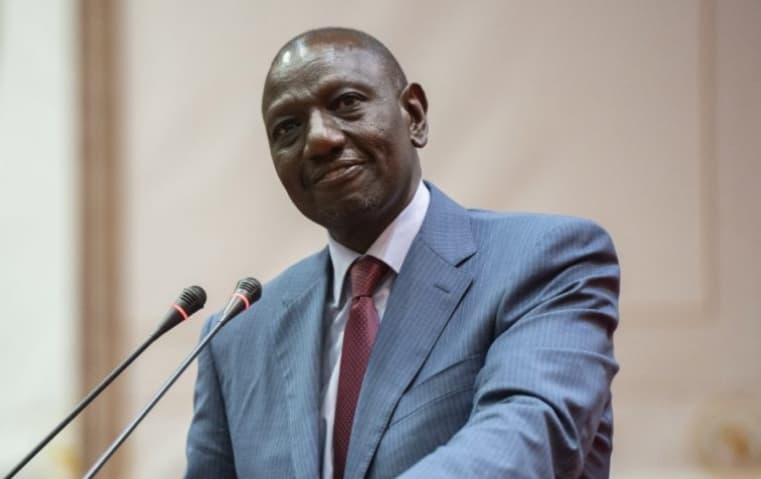
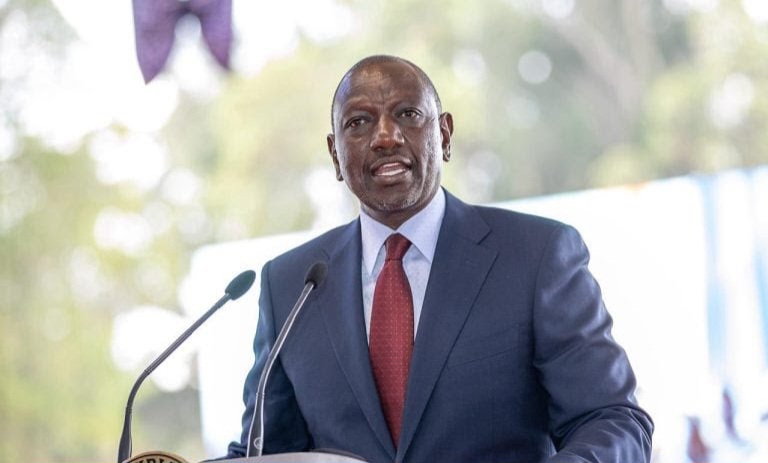
President William Ruto has announced plans to cut income tax for Kenyans earning up to Sh50,000, while fully removing taxes for lower-paid workers, as part of new measures aimed at easing pressure from the rising cost of living.
Speaking on Wednesday, February 4, during the UDA Aspirants’ Forum at State House in Nairobi, the President said his administration will move to reduce the tax rate for workers earning up to Sh50,000 once Parliament resumes.
“For any Kenyan earning up to Sh50,000, we are reducing their taxes from 30 per cent to 25 per cent,” he said.
Ruto said the government will also table proposals to exempt Kenyans earning Sh30,000 or less from paying income tax altogether, marking a major shift in how low-income earners are taxed.
“We have begun the process of bringing down taxation. Once Parliament opens next week, we will submit proposals to Parliament that every Kenyan whose salary is Sh30,000 or below will no longer pay taxes,” said President Ruto.
The President said that if Parliament approves the proposals, about 1.5 million Kenyans will stop paying income tax, while another 500,000 workers will benefit from the reduced tax rate.
He explained that the planned changes are intended to cushion households struggling with high living costs, saying his administration is focused on supporting those most affected.
“That is how we are going to manage the cost of living. When we said bottom up, it was not a slogan, it was because we want to mind the people at the bottom of the pyramid,” added President Ruto.
Ruto’s remarks come shortly after Treasury Cabinet Secretary John Mbadi revealed that the government had agreed on tax relief for low-income earners following consultations with the President.
Speaking at the People’s Dialogue Forum in Meru, Mbadi said the President had directed him to urgently submit the proposal to Parliament once sittings resume.
“Let me announce this here. We have agreed with President Ruto that low-income earners in this country should be given a reprieve,” CS Mbadi announced.
Earlier, the banking industry had proposed a similar move in it's written submission to treasury on the Finance Bill 2026.
Bankers Recommendation
In a 10-point proposal when the National Treasury invited comments on tax policies to inform the Finance Bill 2026, the Kenya Bankers Association (KBA), argued that lowering the tax bands will widen the tax base, increase revenue to the government while encouraging savings and investment in businesses.
KBA proposes income below Ksh 30,000 be exempt from PAYE, income between Ksh 30,001 and Ksh 50,000 be taxed at 15%, income from Ksh 50,001 to Ksh 100,000 at 20%, income between Ksh 100,001 and Ksh 400,000 at 25%, and income above Ksh 400,000 at 30%.
“The purchasing power of salaried Kenyans has fallen significantly in recent years. Adjusting PAYE bands is a practical step to restore household income, stimulate spending, and support businesses,” said KBA CEO Mr Raimond Molenje, who added that when workers take home more pay, they spend more, save more, and invest more, in turn strengthening the economy, improving loan repayment, and ultimately growing government revenue.
The proposal also recommends easing Withholding Tax and Withholding VAT remittance timelines, allowing remittance by the 5th day of the month following deduction. KBA noted that this measure would reduce compliance costs, improve cash flow for businesses, and encourage formalisation and adoption of digital payments.
“According to the Total Tax Contribution report, on average, three fulltime employees were engaged in tax compliance functions, at an estimated annual cost of KES13.5 million per bank. Beyond regular staffing, each bank surveyed incurred an additional KES1.9 milion on average to hire extra personnel dedicated specifically to tax compliance. For those that engaged external consultants, the average annual cost stood at KES3.8 million. These figures underscore the substantial internal and external resources now directed toward managing tax obligations. This in our view is contrary to the design of a fair tax code which should not impose punitive compliance burdens on taxpayers,” KBA stated.
The proposal could be a game changer for Kenya’s salaried workers by directly raising their take-home pay and easing financial stress in a high-cost environment
Currently, PAYE rates are at 10% on the first Ksh 24,000; 25% on the next Ksh 8,333; 30% on the next Ksh 467,667; 32.5% on the next Ksh 300,000; and 35% on income above Ksh 800,000.
Additional deductions, including the 1.5% Affordable Housing Levy, 2.75% Social Health Insurance Fund contribution, and rising NSSF contributions, have significantly reduced real wages, which fell by 10.7% according to the Parliamentary Budget Office Report 2025.
The easing of PAYE rates could significantly boost disposable income for salaried employees, encouraging consumer spending and fostering economic growth.