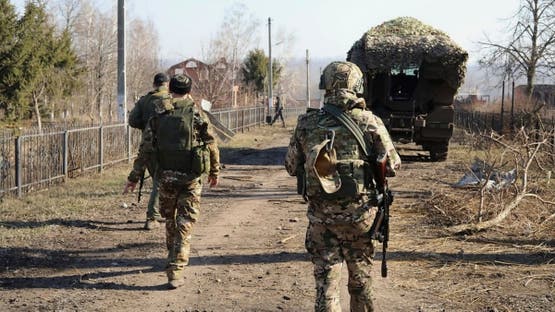
Russia’s recruitment of foreign fighters from the Global South has become one of the war’s least visible scandals. Since 2022, Moscow has targeted the economically vulnerable across Africa, South Asia, and Latin America — Nepalis promised security work, Kenyans told they’d guard facilities, Cubans offered escape from grinding poverty. Instead, they’ve become expendable infantry in a war they barely understand.
A clandestine network funnelling Kenyans into the Russian military to fight in Ukraine has begun to unravel, forcing the government to publicly confront a crisis it had long tiptoed around. The Ministry of Foreign Affairs finally broke its uneasy silence on October 2025, issuing an unusually blunt warning that young Kenyans were being duped through forged documents and fictitious job offers — only to be trapped inside Russian military camps.
The government admitted that young Kenyans had been enticed into Russia by “corrupt and ruthless agents” using forged paperwork and fake job offers — only for them to end up detained inside Russian military installations. Although the ministry avoided calling it human trafficking, what it described mirrored that offence precisely. Behind the warning was more than a year of slowly intensifying public anxiety.
In March 2024, Foreign Affairs Principal Secretary Dr Korir Sing’oei had dismissed as baseless a Russian Defence Ministry claim that five Kenyans were fighting for Ukraine, reiterating Nairobi’s strict neutrality. The statement was meant to quell speculation, especially since no evidence then existed of Kenyans in Russian units. Still, rumours thrived — driven by videos showing young Kenyan men in Russian gear, shouting their names or dancing in the woods. Circulated widely on pro-Russian Telegram and X channels, the clips depicted them as enthusiastic volunteers.
That narrative collapsed when former athlete Evans Kibet appeared in a Ukrainian prisoner-of-war video recounting how he had been deceived into joining Russia’s war. His account made denial impossible. Soon after, stories surfaced of a small group of returnees quietly slipping back home — some ill, others penniless, most simply grateful to be alive. Their families flocked to the Directorate of Criminal Investigations and the Diaspora Affairs office with passport copies and message screenshots, pleading for help to trace missing sons and husbands. The desperation was blunt: “Months have passed. I don’t know if my son is alive or dead.”
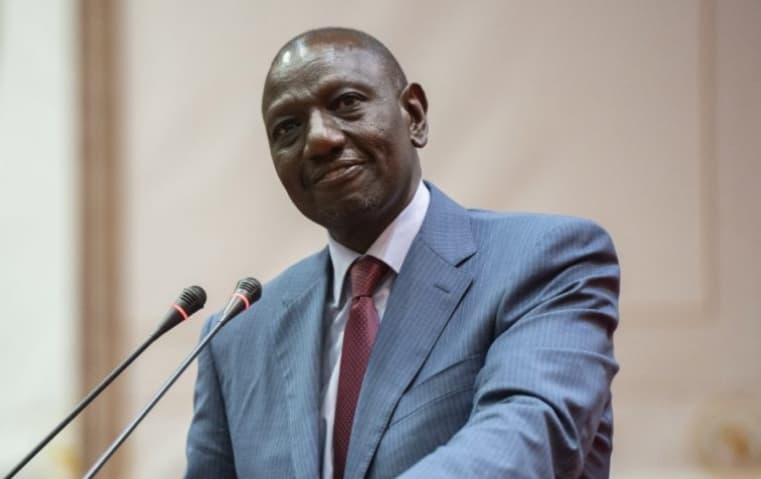
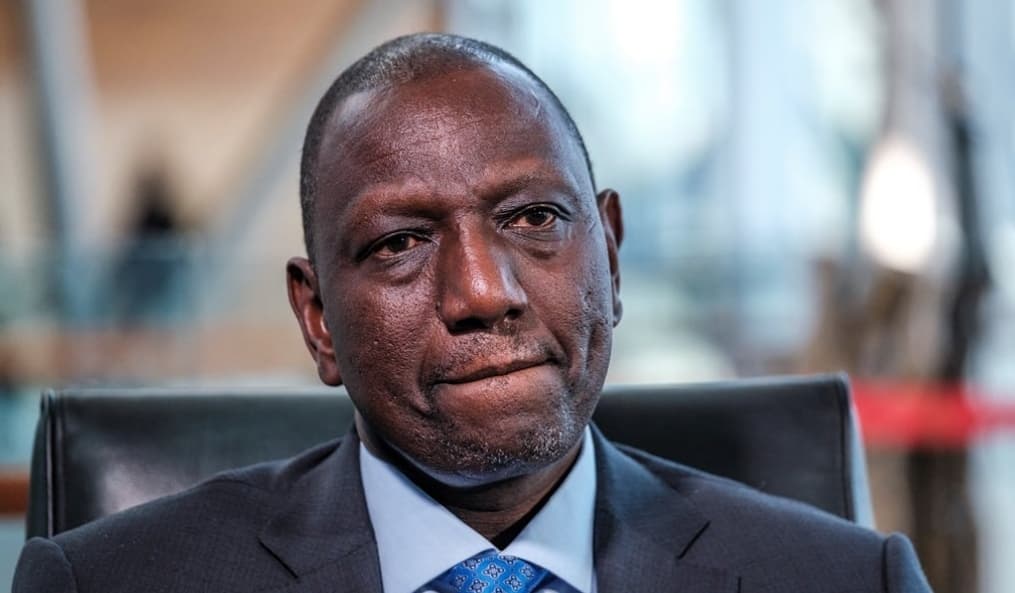
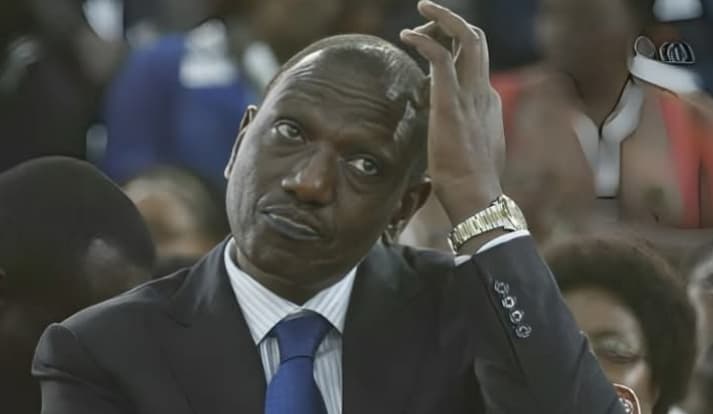
Under growing pressure, the matter escalated diplomatically. On November 6, 2025, President William Ruto phoned President Volodymyr Zelensky to request Kibet’s release and raise concerns over Kenyans illegally recruited into Russian formations. Zelensky warned of a fast-expanding pipeline pulling African men into Russia’s ranks — a claim echoed in findings released in Kyiv on November 18, 2025.
Global numbers, local vulnerabilities
At the Crimea Global Conference, General Dmytro Usov of Ukraine’s Coordination Headquarters for the Treatment of Prisoners of War revealed that 18,000 foreign nationals from 128 countries had signed contracts with Russia’s Defence Ministry by October 2025, with another 3,000 whose terms had lapsed being held against their will. Of those still serving, 1,400 were Africans from 36 states.
Since 2022, staggering Russian battlefield losses have pushed Moscow to recruit 30,000 to 40,000 new fighters monthly, according to Western intelligence and independent Russian probes. Security analyst Munira Mustaffa of Verve Research said little of this is surprising. Both sides host foreign fighters, she noted, but their systems differ dramatically. Ukraine’s International Legion — created in 2022 — relies on formal, state-regulated procedures where applicants submit documents, undergo vetting and sign contracts under Ukrainian military authority. “Where Ukraine struggles administratively, Russia employs deliberate manipulation,” Mustaffa said.
She described Moscow’s system as one powered by deception, trafficking networks and exploitation of economically vulnerable groups. In this context, Foreign Affairs Cabinet Secretary Musalia Mudavadi’s warning carried weight. It confirmed that many Kenyans had been recruited using forged documents, impersonation of Russian officials and fabricated employment promises. Some ended up scattered across Russian camps; others disappeared into deeper networks.
The ministry blamed “unscrupulous agents” infiltrating recruitment chains. Legal specialists flagged one troubling statement: victims were being “held up for military operations” and coerced into signing what Russia termed “voluntary contracts”.
Legal dilemmas and mounting pressure
The legal questions are straightforward. “The legality under Kenyan and international law depends on how — and for what purpose — someone enters a foreign military,” said international law expert Dr Owiso Owiso. Voluntary enlistment in a regular national army is not forbidden. Recruitment through deceit for active combat raises significant legal concerns. Under Kenyan statutes, deception-based enlistment amounts to human trafficking. The African Union’s 1977 Convention on Mercenarism has yet to tackle the surge of African nationals drawn into the Russia-Ukraine war. Still, legal pathways exist for affected families. Dr Owiso said relatives may file constitutional petitions citing violations of Articles 27 and 30, targeting both state agencies and recruiters. Their case strengthened after a recent landmark ruling: in the Haron Nyakong’o judgment — involving a Kenyan trafficked to Myanmar — the Employment and Labour Relations Court found that deception committed in Kenya establishes jurisdiction even if exploitation occurs abroad. The court held that confiscating Nyakong’o’s passport amounted to forced labour and awarded him over Sh5 million in damages.
International law reinforces these protections. Kenya and Russia are both parties to the Forced Labour Convention, and the prohibition on forced labour is a jus cogens norm — universal and non-derogable.
Dr Owiso added that the International Criminal Court could, in theory, pursue individual recruiters if trafficking contributes to war crimes in Ukraine — a high but not impossible bar. For many recruits, the motivations explain why manipulation succeeded. Interviews with Ukrainian POWs revealed a common thread: they were not ideological fighters but economic victims. They reported signing bonuses of about 1.9 million roubles (roughly Sh3 million) and monthly pay of around 210,000 roubles (about Sh349,000). But recruiters, not fighters, reap the greatest rewards — earning roughly one million roubles (about Sh1.63 million) per recruit, making the trade more lucrative for agents than for the men they funnel to the front.
Kenya’s crisis mirrors a broader trend. South Africa is battling a similar case: 17 men stranded in Ukraine’s Donbas region after signing contracts written in Russian — a language none understood. Relatives say they were pressured into agreement. The scandal widened when Duduzile Zuma-Sambudla resigned as an MP on November 28, 2025 amid allegations she assisted in their recruitment.
Recruitment Goes on Regardless
Survivors and families say many recruits were promised civilian jobs or non-combat security roles in Russia, only to be sent to the front lines shortly after arrival. Others were former or active members of security forces who knowingly enlisted as mercenaries, drawn by the prospect of wages far higher than those available at home.
Former recruits described minimal training, language barriers, and harsh treatment by Russian commanders. Several said they were deployed after only days of instruction, sometimes without understanding the contracts they were forced to sign. Those who refused to fight were allegedly threatened with detention, while others said their bank accounts were frozen or accessed by recruiters.
An investigation identified several Kenyan firms allegedly advertising civilian jobs in Russia while channeling recruits into military service. Families of missing men said they paid hundreds or thousands of dollars in recruitment fees and were later unable to obtain information about their relatives’ whereabouts.
Some recruits who survived said they witnessed heavy casualties among African fighters, particularly during drone attacks and assaults across open terrain. Several described being wounded and later prevented from returning home, while others said fellow recruits were killed shortly after deployment.
Despite growing awareness of the risks, recruitment continues, according to sources interviewed, with some men allegedly bribing officials to bypass increased scrutiny at airports.
Reports over the past two years indicate that Russia has actively recruited Africans to fight in its war against Ukraine, often through deceptive means. Ukrainian officials claim that more than 1,400 Africans from over 30 countries have been deployed to the frontlines, with many of them misled by promises of lucrative jobs or educational opportunities. Instead of the work they expected, these individuals were placed in combat roles, frequently with minimal training and under dangerous conditions. This recruitment drive highlights Russia’s growing reliance on foreign manpower as its domestic pool of soldiers becomes strained.
Investigations reveal that recruitment networks have used fraudulent job advertisements and social media campaigns to lure young Africans. In some cases, smuggling rings in countries like Zimbabwe and South Africa provided fake documents to disguise recruits as South Africans before sending them to Russia. Once in Russia, many were coerced into signing contracts with private military companies or pressured into joining the regular army. Accounts from survivors suggest that Africans are often assigned to high-risk missions, reinforcing the perception that they are being exploited as expendable fighters.
The conditions faced by these recruits have drawn international concern. Reports describe Africans being forced into suicide missions or deployed with inadequate equipment, while Russian soldiers remain in safer positions. Families of those recruited struggle to trace their loved ones, especially when fake identities are used, making repatriation or compensation nearly impossible.
Many African youth are increasingly finding themselves in dangerous and precarious situations, driven largely by job insecurity, the rising cost of living, inadequate security, and limited opportunities for upward mobility. Despite the growing youth population across the continent, economic growth has failed to keep pace with their needs and aspirations. Frustration deepens. Opportunities shrink. As a result, many young people are pushed into risky choices in search of survival and stability. Hence, some find themselves drawn into foreign conflicts, including the Russia–Ukraine war, not out of loyalty or ideology, but as a desperate response to economic hardship and limited alternatives.