African governments are facing unprecedented pressure on their external debt, with repayments expected to exceed $90 billion this year. This is the finding of the latest report from Standard & Poor’s Global Ratings on the continent’s sovereign outlook. According to the analysis, African states’ external debt payments are now more than three times higher than in 2012.
In its February sovereign ratings outlook, the agency said rising debt-servicing pressures have heightened external vulnerabilities across the continent, despite recent improvements in economic growth and reform momentum.
The agency warns of the growing fragility of African public finances, as upcoming hard currency debt repayments due in 2026 could intensify pressure on external reserves and deepen refinancing risks. “Government external debt repayments are approaching a peak,” the report highlights.
The reasons are structural: historically high debt combined with limited and concentrated revenue bases keeps countries in a vulnerable position. External risks, exchange rate fluctuations, rising global interest rates, and dependence on international markets—have also intensified, amplifying threats to economic stability.
S&P estimates that principal external debt repayments by rated African sovereigns will reach about $90 billion (Sh11.6 trillion) this year—more than three times the level recorded in 2012. Nearly one-third of this amount is attributable to Egypt, followed by Angola, South Africa and Nigeria.
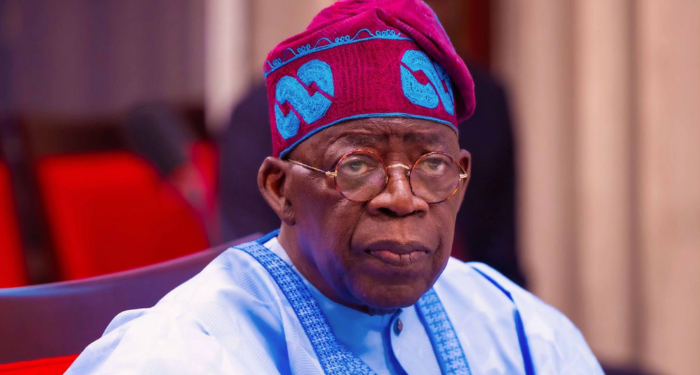
Nigeria, while not the largest debtor, remains a key player among African countries with significant debt repayments.
Nigeria’s Debt Management Office reported that the country’s total public debt reached N152.40 trillion ($369 billion) as of June 30, 2025. This is an increase from N149.39 trillion ($362 billion) at the end of March 2025. The rising debt stock underlines the critical need for effective debt management policies in the country. Nigeria raised $2.35 billion in a Eurobond issuance in November 2025, attracting a record $13 billion in investor demand—the largest ever for the country.
In the report, S&P noted that it expects Nigeria’s authorities to “press on with its reform packages, focusing on raising revenue through a policy mix of increased collections and efficiency gains. Commensurate with recently announced increases in budgetary borrowing, we expect that lower oil prices and increased capital expenditure will widen the 2026 fiscal deficit to at least four per cent from an estimated three per cent in 2025."
“We understand that the government intends to fund the wider deficit primarily through domestic issuance–the country’s domestic financial system is regionally significant in size–but note this could both reduce private credit growth and maintain high borrowing costs despite falling inflation. Positively, we continue to expect the accumulation of foreign exchange reserves and a current account surplus in the region of four per cent of GDP in 2026.”
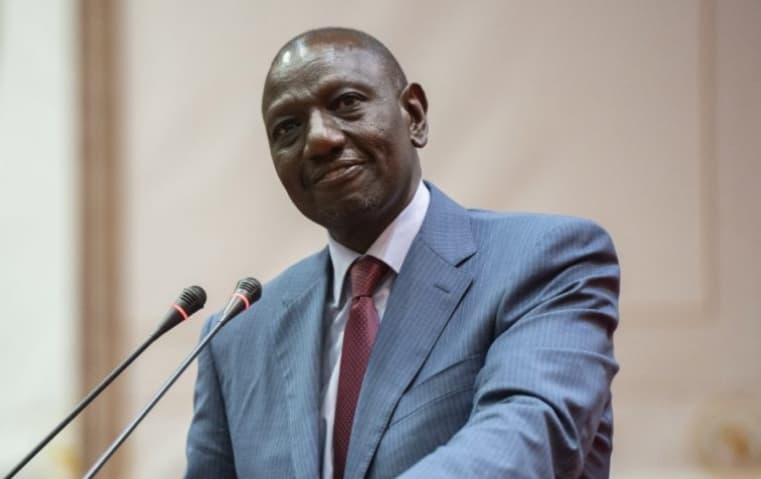
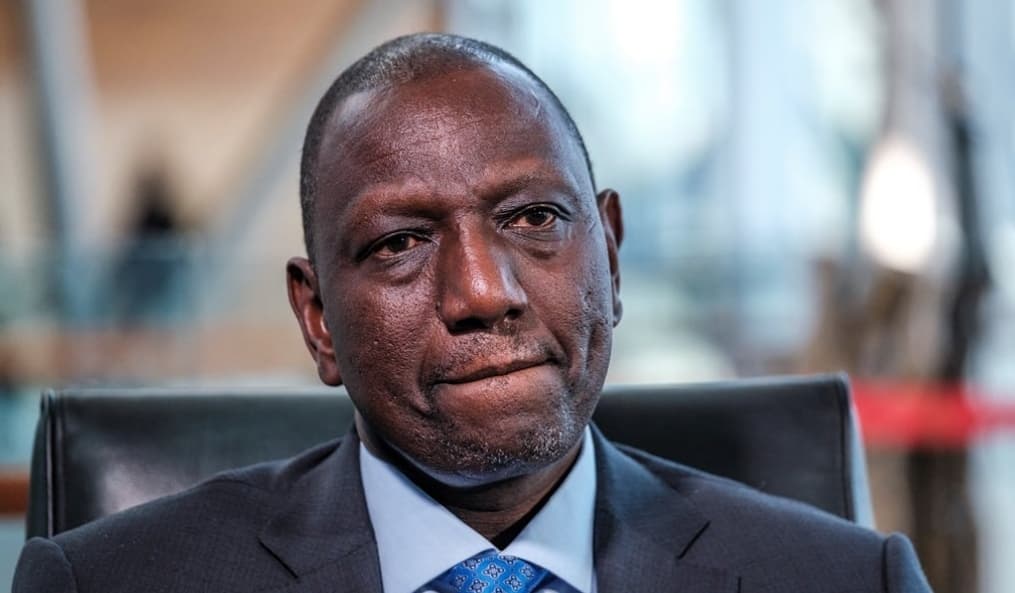
In Kenya, the agency noted that near-term external liquidity risks have eased, supported by strong coffee exports and robust diaspora remittances, which have pushed foreign currency reserves to a record high of about $12 billion (Sh1.5 trillion).
“Debt liability management operations have also reduced Eurobond principal payments to a manageable $108 million (Sh13.9 billion) over 2026–2027,” the agency said.
However, it cautioned that social pressures could complicate fiscal consolidation efforts ahead of the August 2027 elections, potentially delaying access to concessional financing from the IMF and World Bank.
“In this context, we expect the government will continue to rely on costlier domestic borrowing and external commercial facilities, keeping interest costs elevated at more than 30 per cent of government revenue.”
The ratings firm also said Africa’s average sovereign rating has climbed to its highest level since late 2020, reflecting reforms, improved liquidity conditions and the resolution of G20 debt restructurings in countries such as Ghana and Zambia. Even so, it warned that turning recent gains into sustained improvements in debt and fiscal metrics will take time.
This is despite relatively strong growth prospects, with average real GDP growth projected at about 4.5 per cent this year. Lower oil price assumptions are expected to weaken fiscal balances for some oil exporters, while stronger prices for commodities such as gold and copper should support revenues in several other economies.
“While lower financing costs and strong growth should bolster many economies in 2026, reducing indebtedness and sustainably increasing fiscal revenue-generating activity will take time,” the agency stressed.
As debt redemption pressures intensify, a growing number of African governments are turning to liability management operations—such as bond buybacks, exchanges, and maturity extensions—to mitigate refinancing risks. Countries that have actively employed these strategies include Ivory Coast, Benin, Uganda, the Republic of Congo, Mozambique, Kenya, and South Africa.
Overall, while near-term growth prospects and market access have improved, S&P cautions that elevated debt levels and heavy external repayment schedules continue to pose significant risks to the region’s sovereign credit profiles.