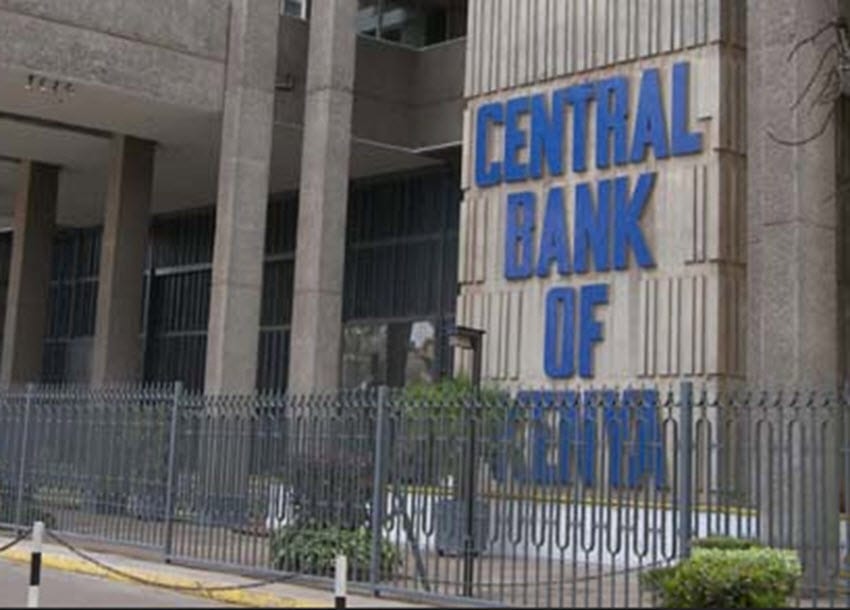
Banks have urged the Central Bank of Kenya (CBK) to maintain the benchmark lending rate at nine per cent ahead of Tuesday’s Monetary Policy Committee (MPC) meeting, citing the need to allow previous rate cuts to fully take effect and ensure a smooth shift to the risk-based loan pricing framework.
The Kenya Bankers Association (KBA) argues that this approach would support the continued decline of interest rates while giving the financial sector time to adjust to new loan pricing rules.
“Keeping the CBR unchanged will allow the full transmission of previous cuts and ensure a non-disruptive transition of Kenya shilling variable-rate loans to the revised risk-based pricing framework by the end of February 2026,” the KBA said in a statement.
The association highlighted that maintaining the rate would allow the banking sector to complete the transition of existing loan portfolios and safeguard stability in lending markets.
Ahead of the MPC meeting, the KBA Centre for Research on Financial Markets and Policy emphasised the importance of sustaining the current monetary policy stance.
In a research note, the KBA identified five key factors expected to shape the MPC’s decision, highlighting inflation as a primary concern.
The note showed that headline inflation remains within the central bank’s target range of 2.5 to 7.5 per cent but faces upward risks, particularly from food supply pressures.
Data for January 2026 indicates that headline inflation stood at 4.4 per cent, slightly below December 2025’s 4.5 per cent.
However, the KBA warned that volatile food prices, prolonged dry spells, and potential shocks from global trade could drive domestic inflation higher, posing challenges for price stability.
The research also notes that Kenya’s economy has shown resilience, growing by 4.9 per cent in the third quarter of 2025, compared with 4.2 per cent in the same period in 2024.
Services remain the largest growth contributor, while agriculture remains volatile due to weather and productivity challenges, and industry provides modest but steady gains. The Purchasing Managers Index (PMI) has stayed above 50.0 for five consecutive months, signalling continued expansion in manufacturing.
Additionally, KBA notes that domestic interest rates have continued declining but have yet to fully reflect previous CBR cuts. The KESONIA rate closely tracks the CBR within the interest rate corridor, while short- and long-term rates have declined at varying speeds. Internationally, some central banks, including the U.S. Federal Reserve and the European Central Bank, have paused policy rate cuts, which could affect capital flows and exchange rate pressures in Kenya.
Further, private sector credit growth is also gradually improving as banks monitor non-performing loans in key sectors. KBA indicates that the exchange rate remains stable, supported by a steady current account deficit, strong diaspora remittances, and healthy foreign exchange reserves.
Considering these factors, KBA emphasised that keeping the CBR unchanged would allow full transmission of previous cuts and ensure a non-disruptive transition of Kenya shilling variable-rate loans to the risk-based pricing framework by the end of February 2026.
The research also noted that domestic equities have remained largely bullish, reflecting global market trends and the internal eased monetary stance, while global growth is projected at 3.3 per cent in 2026 with risks from geopolitical tensions, market corrections and trade disruptions.
In its last meeting on December 2025, CBK reduced its benchmark interest rate by 25 basis points to 9.0%, marking an unprecedented ninth consecutive rate reduction that brought borrowing costs to their lowest level since January 2023. The Monetary Policy Committee’s (MPC) decision extended the longest easing cycle in the region, reflecting sustained confidence in Kenya’s inflation trajectory, strengthening external buffers, and the central bank’s determination to stimulate private sector credit growth without compromising price stability.
The nine consecutive rate cuts delivered since mid-2024 mark the longest easing run in the region, distinguishing Kenya from its peers in East Africa and reflecting the central bank’s confidence in domestic macroeconomic stability. The benchmark rate has now fallen from a 12-year high of 13.0% in April 2024 to 9.0%, representing a cumulative reduction of 400 basis points over the course of just eight months.
This consistent easing path began when the MPC shifted away from the tightening stance it had maintained through 2023 and early 2024, when inflationary pressures from elevated food and fuel costs, combined with exchange rate volatility, necessitated restrictive monetary policy. The turning point came in mid-2024 when inflation began moderating consistently, the shilling stabilized, and external buffers strengthened through successful debt refinancing operations.