The National Social Security Fund (NSSF) has committed Sh9.5 billion to the Nairobi–Nakuru–Mau Summit toll road, marking one of its largest infrastructure investments in recent years. The ambitious project, structured through a debt-equity financing model, comes at a critical juncture as Kenya navigates mounting debt pressures while seeking to modernize its crucial transport corridors.
The pension fund is participating in the Sh170 billion public private partnership (PPP) project through a consortium with China Road and Bridge Corporation (CRBC), adopting a 40:60 equity split.
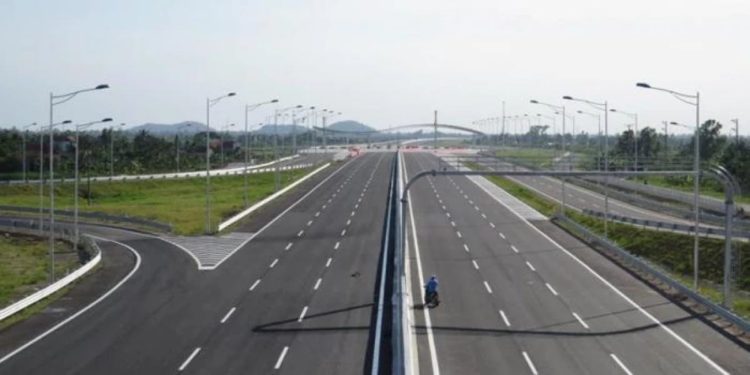
The project covers a total distance of 236 kilometres, spanning the busy Nairobi–Nakuru highway and extending to the 81-kilometre Rongai–Gilgil section as well as the separate 58-kilometre Rironi–Mai Mahiu–Naivasha corridor.
This corridor is a vital transport link connecting major commercial hubs, agricultural regions, and transit routes used for regional trade. Upgrading it into a modern, tolled expressway is expected to reduce travel time, enhance road safety, and improve the reliability of logistics services across the central transport spine.
CRBC and NSSF plan to invest a combined Sh56.86 billion in sections under their scope, with NSSF contributing 40 percent of the equity. The remaining financing will be raised through a blend of equity injections and long-term debt, following standard PPP structures that balance risk between the public and private sectors. The revenue model will rely on user fee collections over the concession period, with projections indicating that the toll-based income could deliver annual dollar denominated returns of approximately 13 percent.
For NSSF, participation in the toll road underscores a broader strategy to diversify its portfolio beyond traditional asset classes such as property, quoted securities, and fixed income. Infrastructure investments offer potential long-term returns and capital protection while aligning with national development priorities. They also introduce extended timelines and higher capital intensity, requiring careful assessment of demand forecasts, construction risks, and financial sustainability.
The project is expected to stimulate regional economic activity by supporting agriculture, tourism, manufacturing, and cross county trade. Improved road infrastructure often leads to increased business productivity and reduced transport costs, strengthening long term economic prospects for communities along the corridor.
The new financing model employed in Kenya—combining Chinese state enterprise participation with local pension fund equity and structured toll concessions—represents an evolution from pure government-to-government lending. This approach aims to address criticism of China’s traditional lending practices while maintaining Beijing’s infrastructure development footprint in strategically important regions.
The French Contract Controversy
The current Chinese-led project emerges from the ashes of a controversial deal with French contractors. Kenya terminated a $1.3 billion highway expansion deal with a consortium led by France’s Vinci SA earlier in 2025, citing concerns over high toll fees and unfavorable risk distribution.
The consortium, comprising Vinci Highways SAS, Meridian Infrastructure Africa Fund, and Vinci Concessions SAS, had been primed to build the Rironi-Mau Summit highway and recoup investments over 30 years through toll collections. However, KeNHA raised concerns about demand and revenue risks, noting that the State would have to cover revenue shortfalls if there were fewer users than expected.
Treasury disclosures revealed that the French contractors had demanded multi-billion-shilling service fees over 13 years, which would have been financed by additional government borrowing. This was deemed untenable given Kenya’s tight public finances and growing debt burden. The government subsequently agreed to pay the French consortium $48 million in termination compensation.
Strategic Corridor Development
The highway project will improve a key transport corridor that links Kenya’s port of Mombasa with its western region and neighboring landlocked states including Uganda, Rwanda, South Sudan, and the Democratic Republic of Congo. The Northern Corridor, as it is known, serves as the primary trade artery for much of East and Central Africa, making its efficiency critical to regional economic integration.
The Nairobi-Mau Summit highway serves as a transportation link for approximately six million Kenyans. A study by KeNHA indicated that vehicular traffic on the highway averaged 14,450 vehicles per day in 2017, or 5.3 million per year. Traffic is projected to increase by seven percent annually from 2017 to 2025, then by six percent until 2035, and by five percent until 2045, reaching an average of 60,000 vehicles per day by mid-century.
The upgrade is expected to significantly reduce travel times and transportation costs for cargo moving between the coast and the interior, potentially improving Kenya’s competitiveness as a regional logistics hub. However, the toll road model has raised concerns among civil society groups and regional stakeholders about equitable access, particularly for residents of the Rift Valley, Western, and Nyanza regions who rely on the corridor for connectivity to their rural homes.
Economic Impact and Expectations
Proponents of the highway project argue that improved transport infrastructure is essential for Kenya’s economic competitiveness and regional integration. The current single-lane highway experiences severe congestion, particularly on weekends and during national holidays, when travel times between Nairobi and Nakuru can extend to several hours.
The expanded highway is expected to reduce travel time by nearly half, potentially cutting the Nairobi-to-Nakuru journey from over three hours to approximately 90 minutes. This improvement could yield significant economic benefits through reduced transportation costs, improved logistics efficiency, and enhanced connectivity for agricultural products moving from Kenya’s breadbasket regions to urban markets and export points.
However, skeptics point to the SGR experience as a cautionary tale. The Chinese-built railway was supposed to transform cargo transportation and pay for itself through freight revenues, but it has consistently fallen short of projections. The project’s inflated construction costs and failure to generate anticipated revenue have left taxpayers bearing the burden of debt repayment, raising questions about feasibility studies and the political motivations behind major infrastructure decisions.
The toll road model transfers some revenue risk to private operators but ultimately places traffic demand risk on the public if government guarantees are involved. Critics argue that Kenya’s history of optimistic traffic projections and revenue estimates suggests caution is warranted before committing to another multi-billion-dollar infrastructure project with Chinese financing.
KeNHA has indicated that although users will be required to pay toll fees determined through an approved tariff framework, the authority will map out available alternative roads from Rironi to Mau Summit for use by the public who may not wish to pay tolls. This dual-road strategy aims to address equity concerns while ensuring the toll road generates sufficient revenue to service the debt and provide returns to investors.
The project’s success will depend heavily on traffic volumes and the government’s ability to maintain the free alternative routes in adequate condition. International experience with toll roads suggests that without properly maintained free alternatives, public opposition can undermine project viability and create political challenges for governments.
As construction progresses toward the targeted 2027 completion date, two key questions will require answers: Can the debt-equity model successfully reduce fiscal pressure while delivering quality infrastructure? Will traffic volumes justify the investment and generate sufficient toll revenue?.
For President Ruto’s administration, the highway project offers an opportunity to demonstrate competence in infrastructure delivery and economic management. However, it also carries significant political risks if debt burdens increase, toll charges prove unpopular, or the project fails to deliver promised benefits to ordinary Kenyans already struggling with high living costs and economic uncertainty.
The project’s success or failure will have implications not only for Kenya but for Chinese infrastructure engagement across Africa and the future of Western development assistance on the continent.
Construction is expected to be completed by the end of 2027, after which the operators will run the highway under a 28-year toll concession to recover their investment and earn returns. This Build-Operate-Transfer model shifts immediate financial pressure away from the Kenyan government while ensuring long-term maintenance and operational standards through private sector involvement.