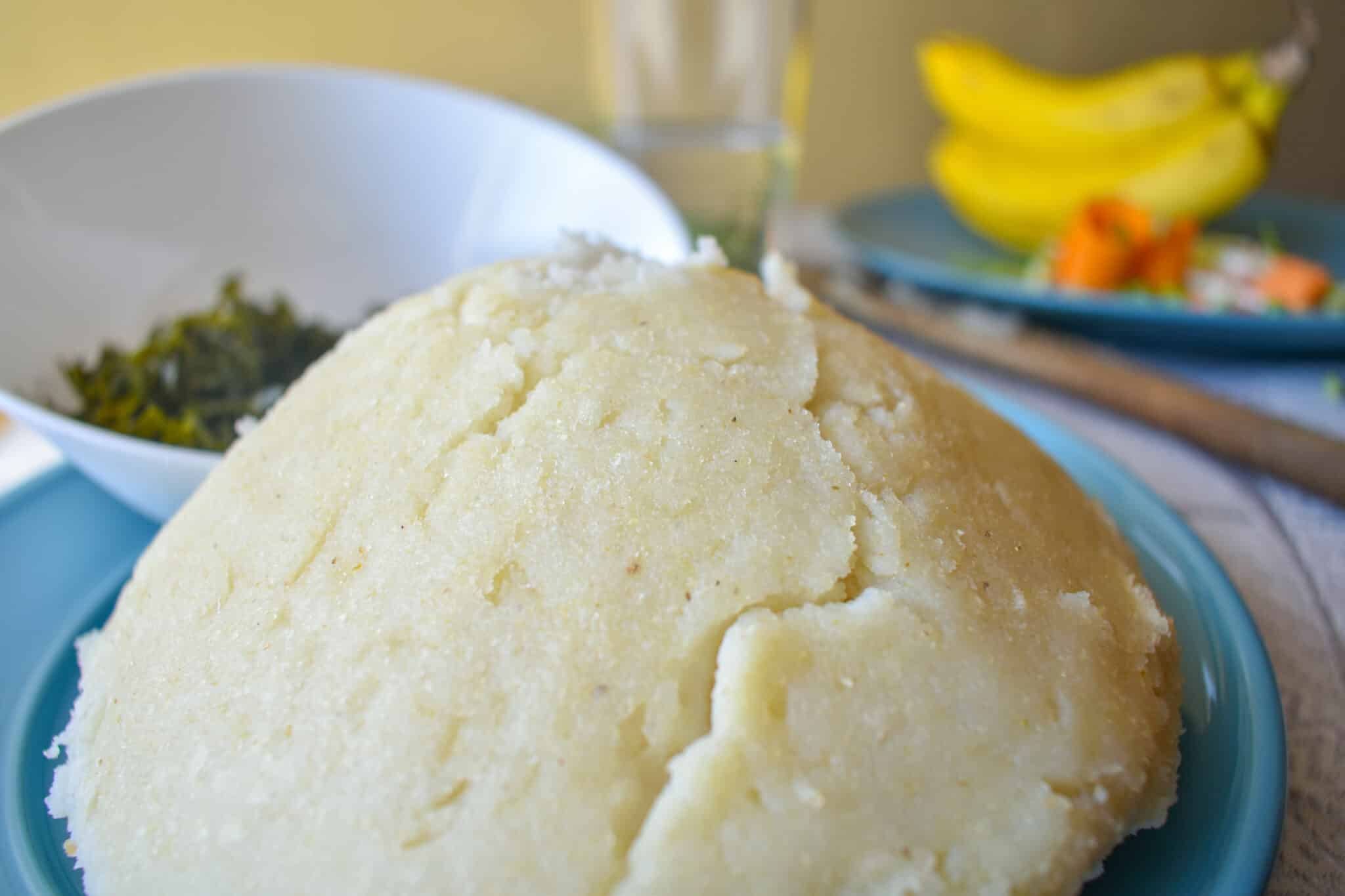
Putting ugali on the table is set to become a rich-only affair, as flour prices soar, due to a shortage of maize in the Kenyan market, driven by reduced output, delayed harvests and increased demand that has led farmers to hoard grain.
Kenya is facing a sharp rise in maize flour prices, with a two-kilogram packet of unga surging by over Ksh40 - Ksh50 to sell for Ksh170 - Ksh160 in some stores, up from Ksh120, amid a growing shortage caused by drought and low reserves.
Reports indicate that Millers are struggling to procure stock amid competition from the government for emergency reserves, as North Rift farmers hoard grain, anticipating higher returns. Farmers cite erratic weather patterns as a reason for retaining stocks, fearing poor harvests and anticipating further price hikes.
The escalating cost of maize flour and other essential commodities is exacerbating Kenya’s cost of living crisis, particularly for low- and middle-income households.
A 90kg bag of maize now retails at about Ksh4,200 to Ksh4,400, up from Ksh3,800, while a 2kg packet of flour has jumped to about Ksh160 to Ksh170 from Ksh120.
Tension between state officials and farmers in the North Rift has reached a boiling point. The government has secured a deal with Zambia to import up to one million 90kg bags of maize to help stabilise the market. Agriculture Cabinet Secretary Mutahi Kagwe confirmed that the maize will be used to replenish the National Strategic Food Reserve, which currently holds less than 200,000 bags, far below its target of 1.7 million.
Mr Kagwe issued a 30-day ultimatum, warning that continued hoarding could lead to duty-free imports aimed at lowering consumer prices. This ongoing standoff highlights the challenge of balancing farmers' interests with the need to protect consumers from escalating costs.
He pointed out that fierce competition from millers is making it difficult for the National Cereals and Produce Board (NCPB) to buy two million bags of maize for the country's strategic food reserve.
The NCPB announced it was buying a 90kg bag from farmers at KSh 4,000, a KSh 500 rise from the earlier announced KSh 3,500.
Since millers and dealers have increased the price of maize to as high as KSh 4,400 per bag in order to support their stocks, the NCPB has only bought 200,000 bags so far, falling short of its two-million-bag target.
As an emergency reserve, the government must either keep four million bags of grains, including rice, beans, and maize, or have the equal amount of cash on hand.
Millers contend that government interference undermines competition in a liberalised market and that supply and demand should determine the price of maize flour.
"By scaring them with low-cost imports, the government should not pressure farmers to deliver grain. While consumers may gain from this in the short run, farmers and millers suffer since they have to pay more to secure markets at competitive prices," one said..
Charles Muriithi, the proprietor of Nyama Bite eateries in Nyeri town while commenting on the high cost of maize flour said he was still hopeful things will improve. He, however, lamented that the government had delayed importing dry maize into the country arguing that such a move could have addressed the current shortage being experienced.
Muriithi said the high cost of basic foodstuff such as maize flour has impacted negatively on his business and led to reduced profits since they cannot hike the prices of meals for fear of losing customers.
“The plan by the government to import maize into the country could be a game changer since it would translate to reduced costs in the price of maize flour. At the moment the high cost of maize flour has disadvantaged people like us since we cannot adjust the price of our meals without running the risk of losing our clients,” he told Julisha.co.ke
Meanwhile, Farmers continue to hoard maize despite the agricultural ministry's 30-day ultimatum to release their stockpiles or risk duty-free imports of the grain.
The government's attempt to impose price limits has also proven futile, as majority of retail establishments raise the pricing of maize flour. This comes even as more than 2.5 million Kenyans experience increasing food insecurity amid persisting drought.