






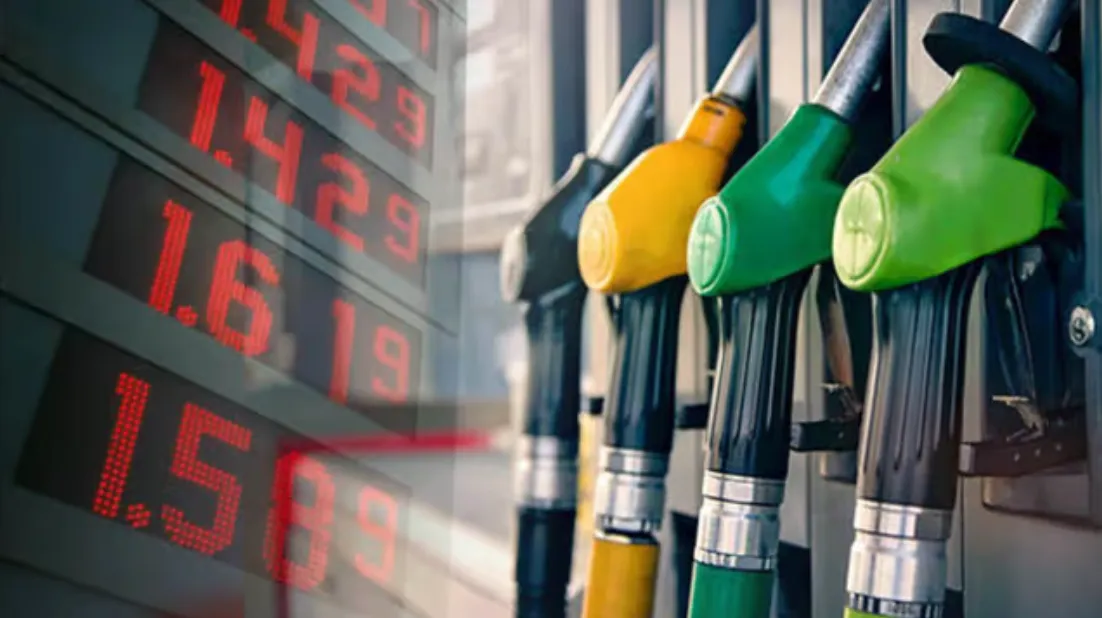
The Energy and Petroleum Regulatory Authority (EPRA) has delivered a measure of predictability to Kenyan consumers and the transport industry by announcing Fuel prices remain unchanged and will hold steady through April 14, 2026.
The announcement was formalized via a public notice on March 14, 2026, stating that the prices were calculated “In accordance with Section 101(y) of the Petroleum Act 2019 and Legal Notice No.192 of 2022,” confirming adherence to the established regulatory framework. EPRA Director General Daniel Kiptoo has been at the forefront of implementing these regulations, which aim to balance global market volatility with consumer protection and national energy security.
Retail prices now stand at KShs. 178.28 for Super Petrol, KShs. 166.54 for Diesel, and KShs. 152.78 for Kerosene in Nairobi, effective at midnight for the next 30 days.
“In the period under review, the maximum allowed petroleum pump prices for Super Petrol, Diesel and Kerosene remain unchanged. In Nairobi, Super Petrol, Diesel and Kerosene now retail at Kshs.178.28, Kshs.166.54 and Kshs.152.78 effective midnight for the next 30 days,” EPRA announced.
The average landed cost of imported Super Petrol increased by 1.00% from US$576.34 per cubic metre in January 2026 to US$582.11 per cubic metre in February 2026; Diesel increased by 8.46% from US$586.80 per cubic metre to US$636.45 per cubic metre while Kerosene increased by 6.79% from US$598.82 per cubic metre to US$639.48 per cubic metre over the same period.
The Authority has considered vessels that were received and discharged between the 10th of February 2026 and 9th March 2026. Most of these vessels are February priced cargoes and the effect of the situation in Middle East has not had an effect on the prices yet.
Currently, Kenya imports all its petroleum product requirements in refined form, and the products are traded in international markets based on a pricing benchmark. Further, the trade of petroleum products in the international markets is denominated in United States Dollars (USD), and an exchange rate is applied to convert the USD to KShs during the computation of local pump prices.
Regulatory Framework and Pricing Methodology
EPRA announced the maximum retail fuel prices in accordance with Section 101(y) of the Petroleum Act 2019 and Legal Notice No.192 of 2022, which establish the legal framework for petroleum price regulation in Kenya. The regulatory authority conducts monthly price reviews to ensure that fuel prices at the pump reflect the true cost of petroleum products already in the country, while also considering global price trends, taxes, and local distribution costs.
The prices are inclusive of the 16 percent Value Added Tax (VAT) in line with the provisions of the Finance Act 2023, the Tax Laws (Amendment) Act 2024, and the revised rates for excise duty adjusted for inflation as per Legal Notice No. 194 of 2020. This comprehensive tax burden—which includes VAT, excise duties, road maintenance levy, petroleum development levy, and other statutory charges—represents a substantial component of the final pump price that Kenyan consumers pay, often accounting for more than half of the retail price.
Director General Kiptoo noted the authority remains committed to observing fair competition and protecting consumer and investor interests through its regulatory oversight. “The purpose of the petroleum pricing regulations is to cap the retail prices of petroleum products which are already in the country so that importation and other prudently incurred costs are recovered while ensuring reasonable prices to consumers,” he explained, highlighting the delicate balancing act EPRA must perform between ensuring viable returns for petroleum sector investors and protecting consumers from excessive pricing.
The monthly review framework provides consistency and transparency for planning by businesses and households, with prices published around the 15th of every month to allow for orderly adjustments rather than abrupt volatility. EPRA’s pricing methodology considers several core components including the landed cost (the price Kenya pays for refined products imported from international markets), distribution and marketing margins (costs associated with moving fuel from ports to retail stations), and the comprehensive array of taxes and levies imposed by the government.
EPRA plays a crucial oversight role in ensuring that all petroleum marketing companies adhere to the set maximum retail prices. Violations of the pricing structure can lead to severe penalties, including fines and the revocation of operating licenses. This strict adherence to price controls ensures uniform market access and prevents unscrupulous traders from profiteering, especially during high-demand periods.
Kenya’s Energy Security Vulnerability and Future Ambitions
The continued reliance on global markets for price stability highlights Kenya’s significant energy security vulnerability. Despite its potential to be an oil producer, with past discoveries in the Turkana basin, Kenya continues to import 100 per cent of its petroleum requirements in refined form.
This import dependency means that Kenya remains acutely vulnerable to geopolitical tensions, supply chain disruptions, and price shifts dictated by global oil market dynamics. The nation’s decision to rely entirely on refined imports stems from the closure and planned conversion of the Mombasa refinery, a strategic shift that made the supply chain more susceptible to currency fluctuation and global refining margins.
The price of crude oil, which is traded internationally in US dollars, has a direct impact on the cost of refined products landing in Mombasa. When the Kenyan shilling weakens against the dollar, the cost of procurement automatically increases, placing upward pressure on local pump prices, even if crude oil prices remain stable globally. EPRA’s formula must constantly manage this foreign exchange risk alongside crude price volatility.
In the long term, Kenya aims to enhance its energy resilience by diversifying its energy mix. The government continues to invest heavily in geothermal power, where it is already a world leader, as well as wind and solar resources. This transition towards cleaner, domestically sourced energy aims to reduce the economic reliance on imported fossil fuels and stabilize the national energy grid against external shocks. However, this transition does not yet solve the immediate reliance of the transport and manufacturing sectors on petrol and diesel.
Looking ahead, the trajectory of Kenyan fuel prices will depend on several interconnected factors including global oil market dynamics, exchange rate movements, domestic policy decisions, and EPRA’s regulatory approach to price setting. The path forward will require careful navigation of multiple challenges including global market volatility, exchange rate management, domestic policy considerations, and the fundamental structural challenge of complete dependence on imported refined petroleum products.