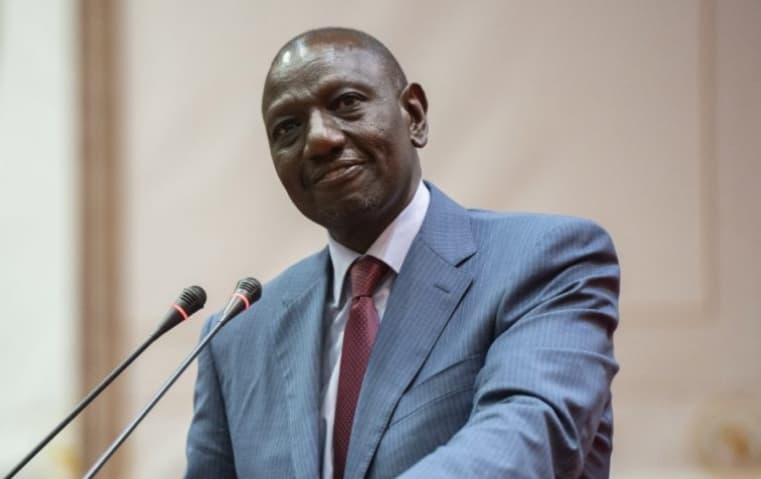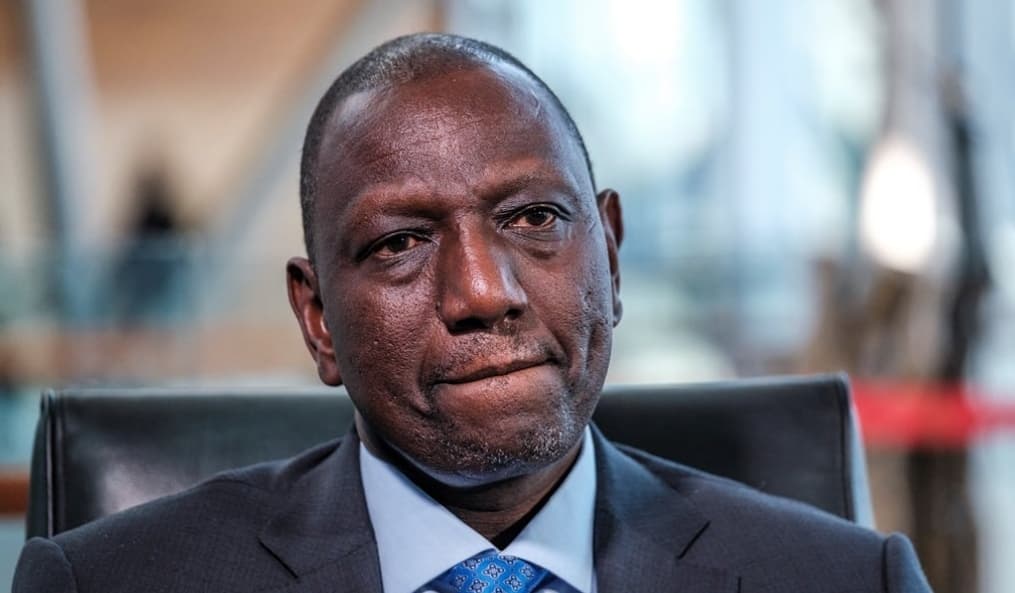
Kenya wanted a superhighway. What it got was a super bill. After President William Ruto’s government scrapped the Sh190 billion Nairobi-Nakuru-Mau Summit toll road awarded to a French consortium, taxpayers were told the exit fee would be Sh6.2 billion. Then the Auditor General’s paperwork landed — and the figure had ballooned to Sh7.315 billion.
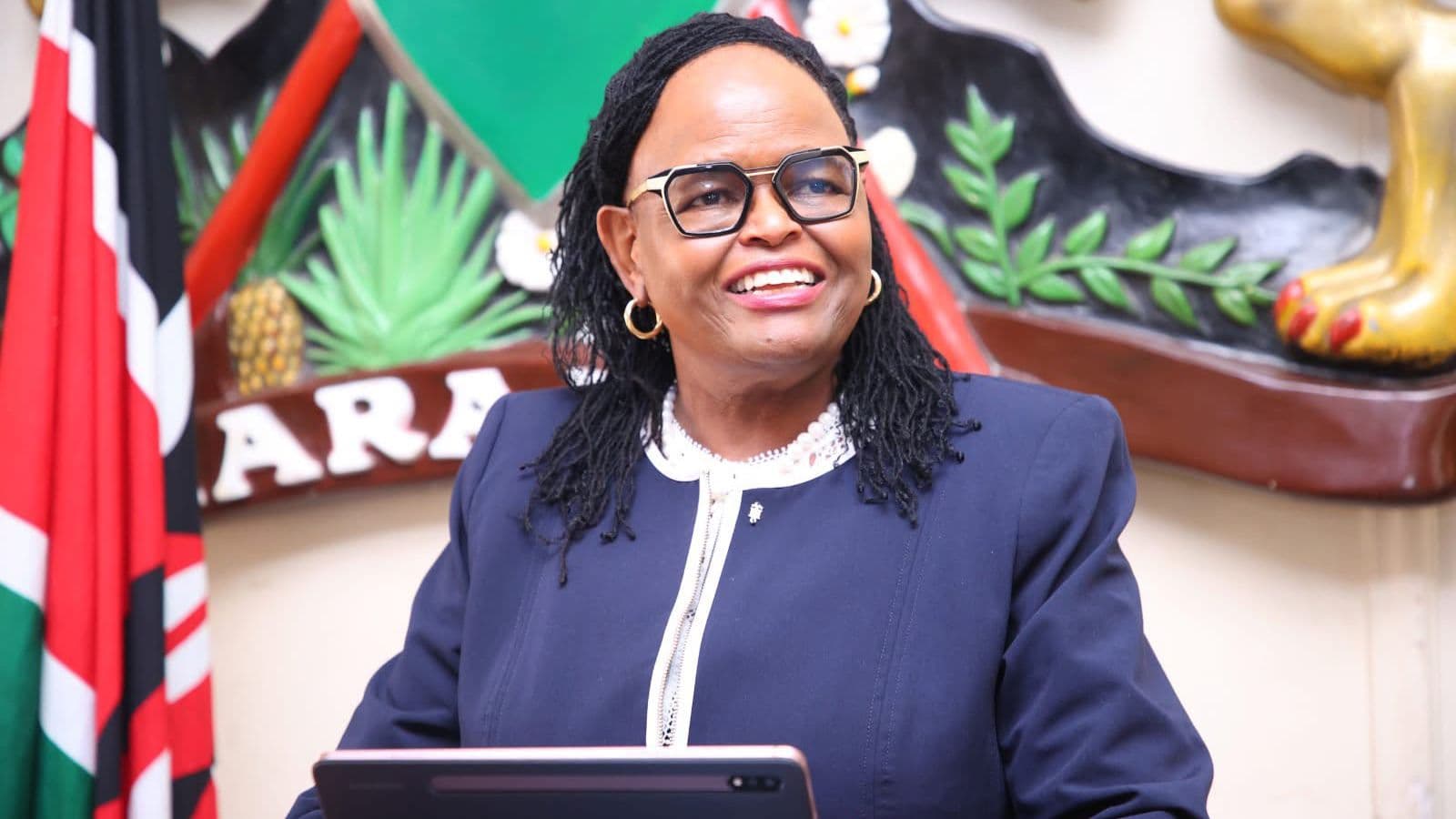
That’s Sh1.1 billion more than what Controller of Budget Margaret Nyakang’o says she approved from the Consolidated Fund. Somewhere between Paris, Nairobi, and the London Court of International Arbitration, Kenya’s most expensive road turned into a road to nowhere, with motorists paying for asphalt that was never poured.
Auditor Flags Ksh7.3B Fuel Levy Raid to Pay Off Cancelled Mau Summit Road Deal
Auditor General Nancy Gathungu has flagged the diversion of Ksh7.3 billion from the Road Maintenance Levy Fund (RMLF) to compensate a French consortium for the cancelled Nairobi-Nakuru-Mau Summit toll road.
The RMLF — collected at Ksh18 per litre of petrol and diesel — is legally ring-fenced for maintaining existing roads, not settling failed PPPs. Yet Treasury documents show Ksh7.315 billion was paid to Vinci Highways SAS, Meridian Infrastructure Africa Fund, and Vinci Concessions SAS in January 2026, even though Controller of Budget Margaret Nyakang’o only approved Ksh6.2 billion from the Consolidated Fund. The extra Ksh1.1 billion quietly came from the fuel levy kitty.
How a Highway Became a Liability
The payout stems from President William Ruto’s 2024 decision to terminate the Sh190 billion, 233km toll road awarded to the French firms in 2020. State House cited unaffordable toll fees of Sh780 to Sh6,450 per trip and a clause forcing Kenya to pay service fees for 13 years if toll revenue underperformed.
Facing threats of arbitration in London that could delay a new Chinese contractor, Treasury rushed an emergency settlement. PPP Director-General Kefa Seda defended the discrepancy, saying KeNHA remitted Ksh6.8 billion inclusive of tax equalisation and blaming exchange rates.
But Nyakang’o was blunt, “I am not in possession of this information.” The audit now questions how fuel levy cash — meant for KeRRA, KURA, and KeNHA to fix the roads we already have — was used to pay for one we never built.
Who Got Paid, Who Gets Hurt
The diversion hits hardest at the grassroots. RMLF allocations fund routine maintenance of the 18,000km national trunk network and thousands of county roads. In FY2025/26, KeRRA alone was budgeted Ksh64.2 billion from the levy to grade, gravel, and reseal rural roads. Pulling Ksh7.3B out means fewer contracts for local contractors, more potholes, and higher vehicle repair costs for matatu owners and farmers.
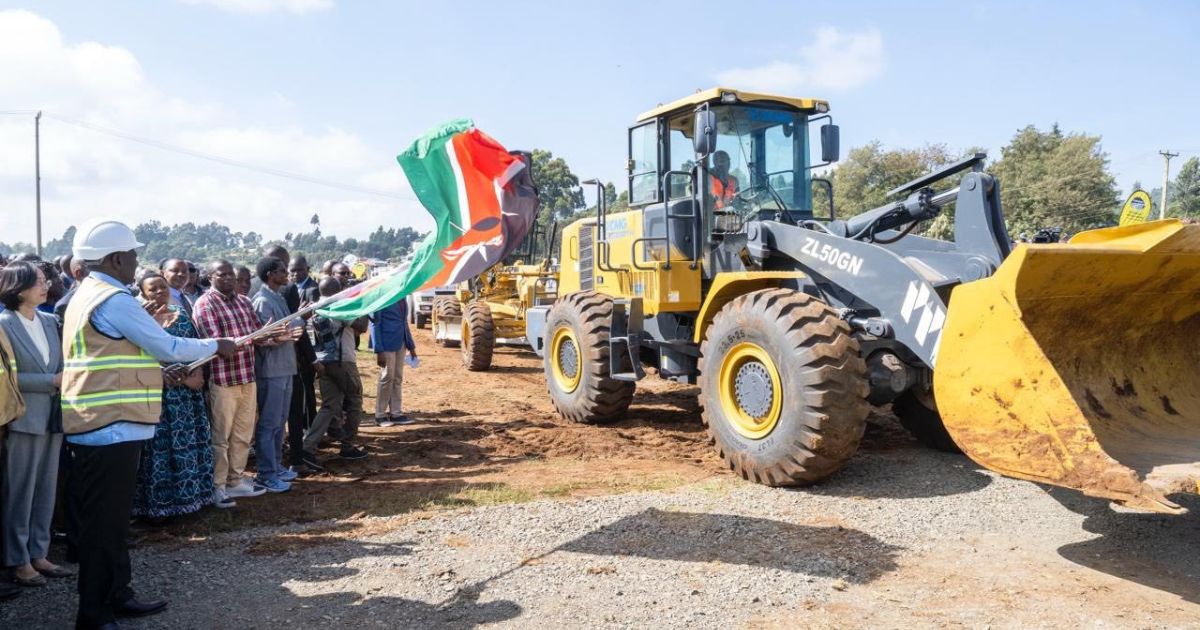
Meanwhile, the French consortium walked away with full compensation despite doing no major works. The same road is now set for a Sh191 billion rebuild by China Road and Bridge Corporation and NSSF, with tolls starting at Sh8 per km. So motorists will pay twice: first through the fuel levy diversion, then through new tolls.
The Accountability Gap
The audit exposes a dangerous precedent: emergency payments bypassing CoB approval and dipping into earmarked funds. Treasury’s defense is that the RMLF Act allows Cabinet to use the levy for “any road-related purpose” but the Public Finance Management Act demands CoB authorization for all Consolidated Fund withdrawals.
MPs are demanding to know why the fuel levy was tapped when the original contract had a termination clause funded from the Consolidated Fund. With Kenya’s fiscal space tightening and road maintenance backlog at Ksh700 billion, raiding the RMLF to pay Paris sets up a lose-lose: the French got their billions, the Chinese got the new contract, and Kenyan drivers got potholes — plus a Ksh18 per litre promise that’s now running on empty.
The Real Toll
The Mau Summit saga isn’t just about a road. It’s about how PPPs can go wrong when "downside risk” stays with the public. Treasury admitted the French deal would have forced Kenya to borrow to pay service fees for 13 years before tolls broke even. Now we’ve paid Sh7.3B to exit, with no road to show for it. The audit warns this sets a precedent: cancel now, pay later, disclose never. For Kenyan taxpayers, the toll started long before the first barrier went up.