Kenya’s proposal to reduce income tax deductions for salaried workers has become one of the most closely watched measures in the Finance Bill 2026. The government is under mounting pressure to ease the burden on formal employees facing higher living costs, inflation, and increased statutory deductions.
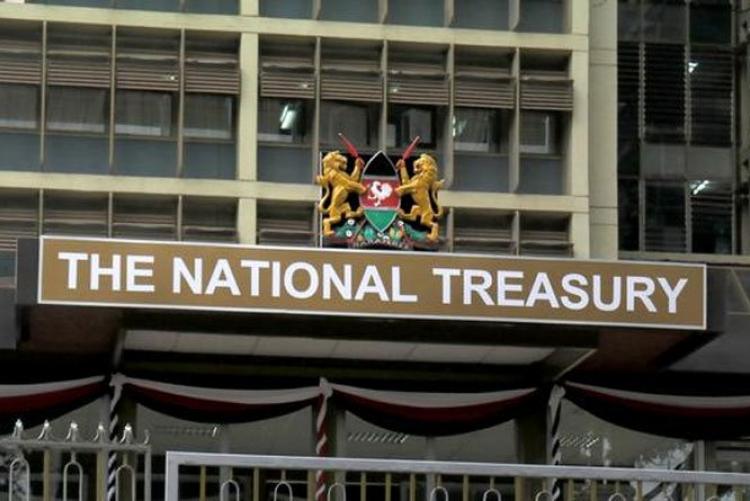
Treasury has confirmed it received recommendations from an internal committee reviewing possible income tax relief, and the final decision now rests with President William Ruto.
The proposal targets workers in the lower and middle income brackets who have seen disposable income shrink over the past two years due to new levies and higher contributions.
If approved, the plan would raise the tax free monthly income threshold from Sh24,000 to Sh30,000. It also recommends reducing the tax rate on income between Sh30,000 and Sh50,000 to 25 percent. The changes would raise take home pay for millions of employees.
A worker earning Sh30,000 per month would see net pay increase by about Sh731.25. At Sh35,000 monthly income, the gain rises to nearly Sh1,500. Employees earning Sh50,000 could receive an additional Sh2,127.10 per month. The focus is on employees earning below Sh50,000, who have been most affected by deductions for the Affordable Housing Levy, the Social Health Insurance Fund, and enhanced National Social Security Fund contributions.
The debate comes as Kenya’s formal workforce experiences a decline in real purchasing power. Data from the Kenya Bankers Association shows that purchasing power fell by nearly 12 percent over the last five years, driven by inflation, higher taxes, and mandatory deductions. Inflation accelerated to 5.6 percent in April 2026 from 4.4 percent in March, largely due to higher fuel costs linked to global supply disruptions and tensions in the Middle East.
Statutory deductions have also risen sharply. Employees now contribute 1.5 percent of gross pay to the Affordable Housing Levy, 2.75 percent to SHIF, and up to Sh6,480 per month to NSSF for higher earners. These deductions have eroded disposable income even where nominal salaries have increased.

Business and banking lobby groups support the proposed relief, arguing that higher household spending power could stimulate economic activity. Estimates from the banking sector suggest that a uniform five percent reduction in PAYE could inject about Sh28.1 billion into the economy annually. The same measure could generate nearly Sh42 billion in immediate GDP output and support around 36,000 jobs each year through stronger consumer demand and private sector expansion.
Analysts point to an imbalance in Kenya’s tax structure. The top PAYE rate stands at 35 percent, while the corporate tax rate is 30 percent. This structure places a heavier burden on salaried individuals than on companies, raising questions about tax equity and the competitiveness of the labor market.
The Treasury is weighing these potential benefits against the fiscal cost. Officials estimate that implementing the relief could create a budget shortfall of at least Sh35 billion in the 2026/27 financial year. This comes as the government faces rising debt servicing costs, a widening fiscal deficit, and pressure to fund social programs without introducing new unpopular taxes.
The fiscal challenge is compounded by recent revenue concessions. The temporary reduction of VAT on fuel from 16 percent to 8 percent is expected to cost the Exchequer about Sh12.9 billion over three months. With slower economic growth and persistent inflation, the Treasury must balance support for household incomes with the need to preserve revenue.
The core policy question is whether reducing the tax burden on formal workers will generate enough additional economic activity to offset the short term revenue loss. Supporters argue that higher disposable income would boost consumption, lending, and investment, leading to stronger long term tax collections. Critics warn that the government’s limited fiscal space leaves little room for concessions without compromising service delivery and debt sustainability.
As Parliament prepares to debate the Finance Bill 2026, the proposed payslip tax cuts are likely to remain one of the most politically and economically significant items on the table. The outcome will have direct implications for millions of Kenyan workers and for the broader trajectory of the country’s economic recovery.