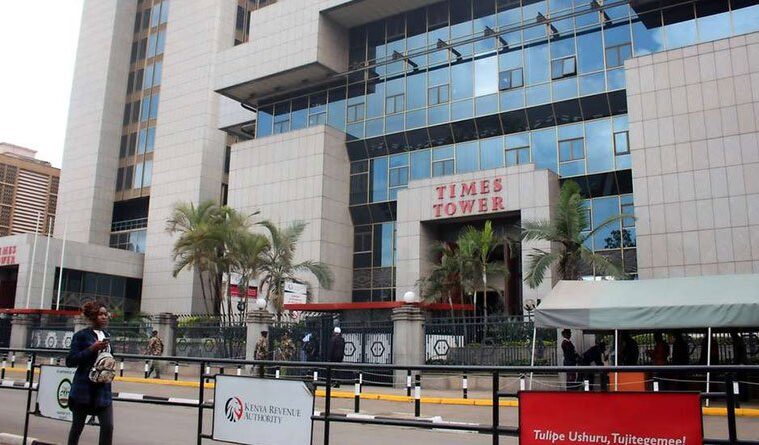




Savings and Credit Cooperative Societies (SACCOs) and the Kenya Private Sector Alliance are pushing back hard against a Finance Bill 2026 proposal that would allow the Kenya Revenue Authority (KRA) to freeze taxpayers’ bank accounts and recover contested tax demands before disputes are resolved.
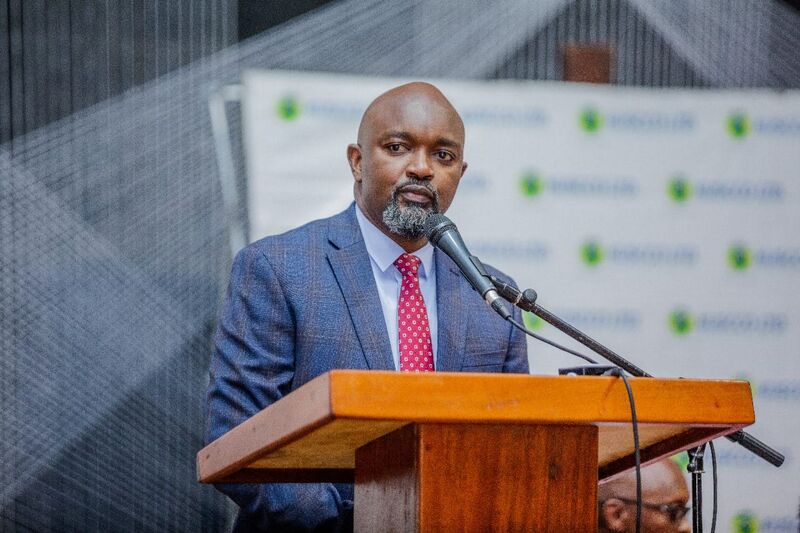
The Kenya Union of Savings and Credit Co-operatives (KUSCCO) told the National Assembly Finance and National Planning Committee that deleting Section 42(14)(e) of the Tax Procedures Act would expose taxpayers to “immediate and severe” consequences while appeals are still active, threatening liquidity and member savings across the cooperative sector.
KUSCCO Chief Executive Arnold Munene warned that agency notices slapped on Sacco accounts would restrict working capital, disrupt lending, delay access to member deposits and threaten overall liquidity.
He told MPs that funds held in Sacco accounts are not idle balances but are in constant use for loans, salaries and daily operations. Freezing those accounts before a tribunal or court determines whether the tax demand is valid, he argued, would hit ordinary members first, not the institution.
The Kenya Private Sector Alliance echoed those concerns and urged legislators to reject the proposal. KEPSA’s tax expert Muriu described the taxman’s proposed powers as “draconian,” saying enforcement before final determination could weaken the constitutional right of appeal and leave businesses chasing refunds for years.
He told the committee that affected companies may end up settling disputed taxes “under duress” rather than waiting for a fair hearing, simply to unlock cash flow and avoid operational collapse. For small and medium enterprises operating on thin margins, a frozen account can mean unpaid suppliers, stalled payrolls and lost contracts within days.
The contested clause, Section 42(14)(e) of the Tax Procedures Act, currently provides a layer of protection that prevents KRA from executing recovery measures until appeals are exhausted.
Deleting it, as proposed in the Finance Bill 2026, would give the authority room to issue agency notices and recover contested amounts immediately after assessment, even if the taxpayer has filed an objection or appeal.
KRA argues that the change is necessary to reduce revenue leakages and deter taxpayers who use lengthy appeals to delay payment, but business groups say it tips the balance too far, shifting risk entirely onto taxpayers while disputes remain unresolved.
For Saccos, the stakes are especially high because of their member-owned structure. Unlike commercial banks, Saccos hold members’ savings that are meant to be accessible for emergencies, school fees and investments.
Munene told MPs that a single agency notice could freeze millions in deposits, paralyzing lending to farmers, traders and teachers who depend on quick loan turnaround. If members cannot access savings or receive loan disbursements, confidence in the cooperative model erodes, triggering withdrawals that worsen liquidity pressure. That domino effect, KUSCCO argued, could undermine financial inclusion efforts that rely heavily on Saccos in rural and peri-urban areas.
KEPSA framed the issue as one of fairness in tax administration. Muriu said the right to appeal means little if KRA can recover money before a tribunal rules on whether the demand is lawful. He warned that even when taxpayers eventually win disputes, refunds from government can take years, leaving businesses cash-strapped in the meantime.
The lobby urged MPs to retain Section 42(14)(e) or introduce safeguards such as requiring KRA to prove imminent risk of revenue loss before freezing accounts, and to cap the amount recoverable before determination. Without such checks, he said, tax disputes would become contests of cash flow endurance rather than legal merit.
The Finance Bill 2026 debate comes at a time when businesses and cooperatives are already grappling with high operating costs, elevated interest rates and delayed government payments.
Adding pre-determination recovery powers, opponents argue, would amplify uncertainty and discourage investment. Supporters of the proposal within government say it closes a loophole that allows some taxpayers to withhold legitimate revenue for years while appeals drag through the system.
The National Assembly Finance Committee now faces the task of balancing revenue collection efficiency against taxpayer protections that underpin trust in the system.