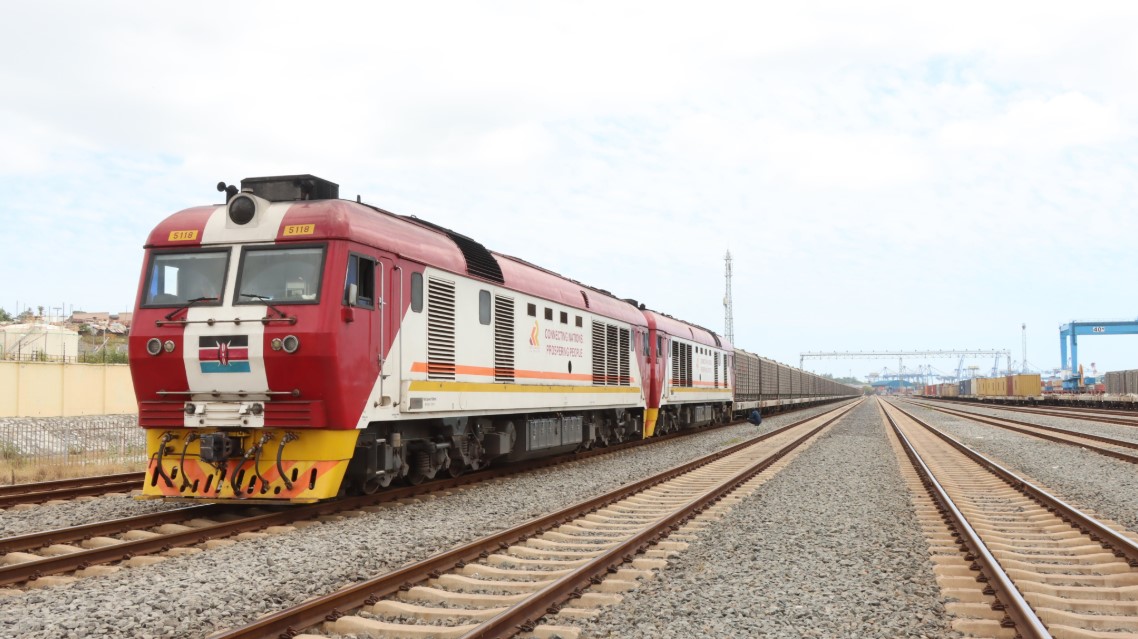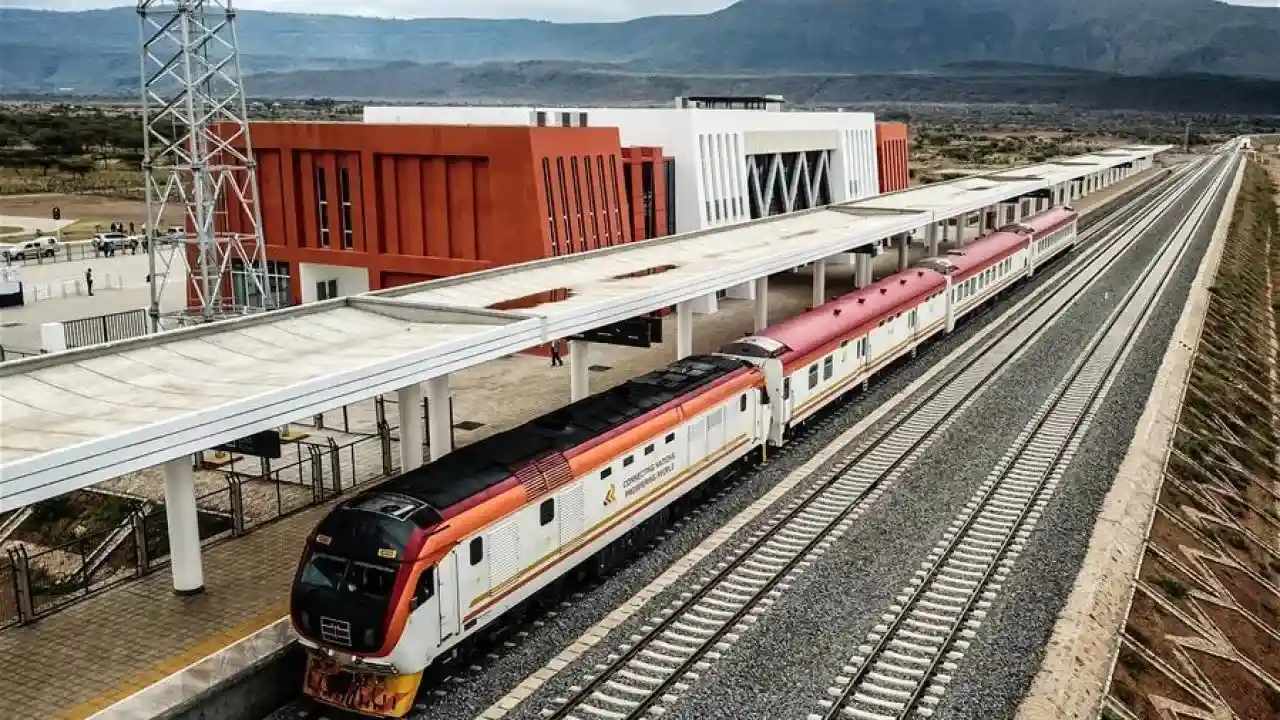
Kenya Railways Corporation (KRC) has commenced the physical construction of the Naivasha-Kisumu-Malaba Standard Gauge Railway (SGR), with a groundbreaking in Narok County officially starting a rail network that aims to seamlessly connect the port of Mombasa to the Ugandan border.
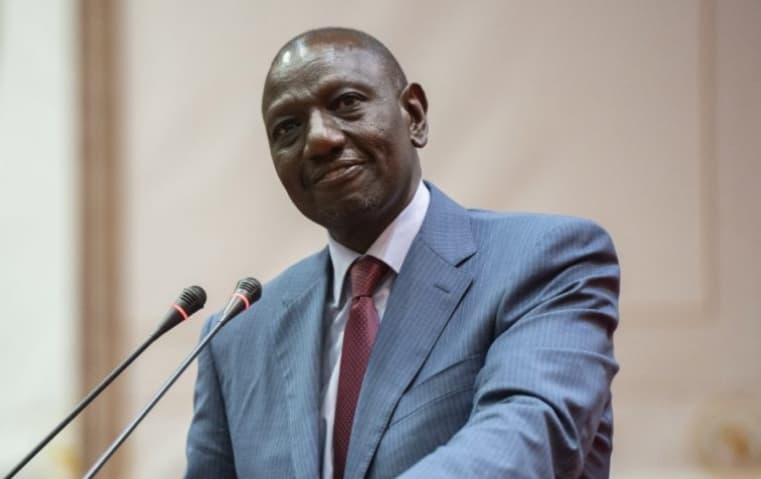
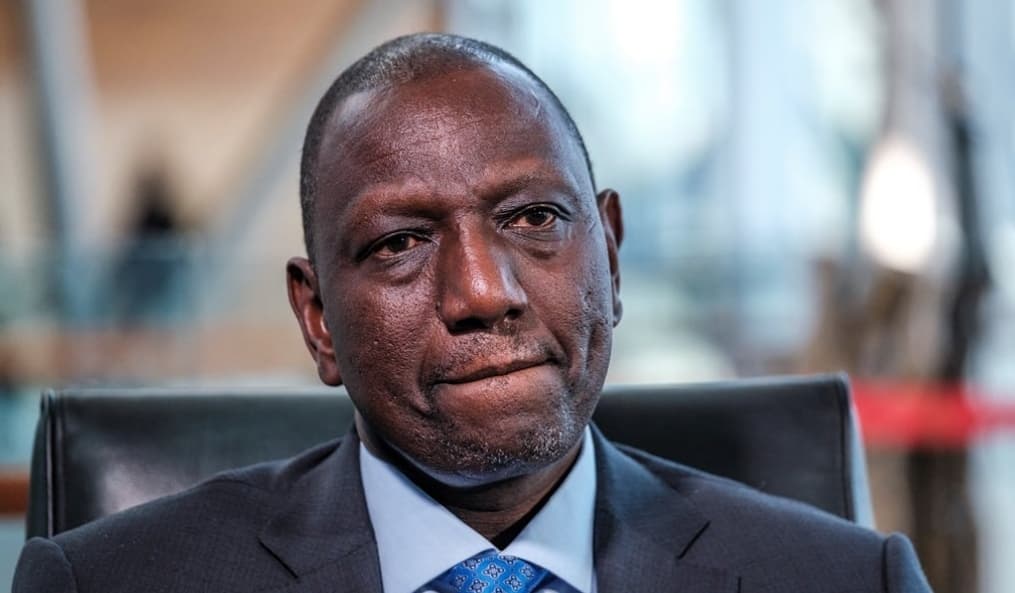
The event on Wednesday, July 1, 2026, was witnessed by Kenya Railways Managing Director Philip Mainga, Narok County Commissioner Kipkech Lotiatia, Narok County Secretary Mayan Tuya and National Government officials.
The engineering blueprint divides the massive extension into highly strategic corridors implemented in two phases. The primary, Phase 2B Naivasha-Kisumu line will span 264 kilometers, starting from Emurtoto in Narok County. This section will feature a critical 8.69-kilometer branch line terminating directly at the newly upgraded Kisumu Port on Lake Victoria, integrating rail and maritime freight capabilities.
From the lakeside city, the subsequent Phase 2C Kisumu-Malaba section will cover an additional 107 kilometers, effectively anchoring Kenya’s rail network directly to the Ugandan border.
The entire corridor traverses nine counties, that is Narok, Bomet, Nyamira, Kericho, Kisumu, Siaya, Vihiga, Kakamega, and Busia.
To facilitate passenger and freight movement, the design incorporates six major intermediate stations situated in Narok, Mulot, Bomet, Sotik, Sondu, and Ahero, traversing 17 complex crossing sections.
Kenya Railways Managing Director Philip Mainga has set an aggressive completion target for the Naivasha-Kisumu segment, projecting operational readiness by June 2027.
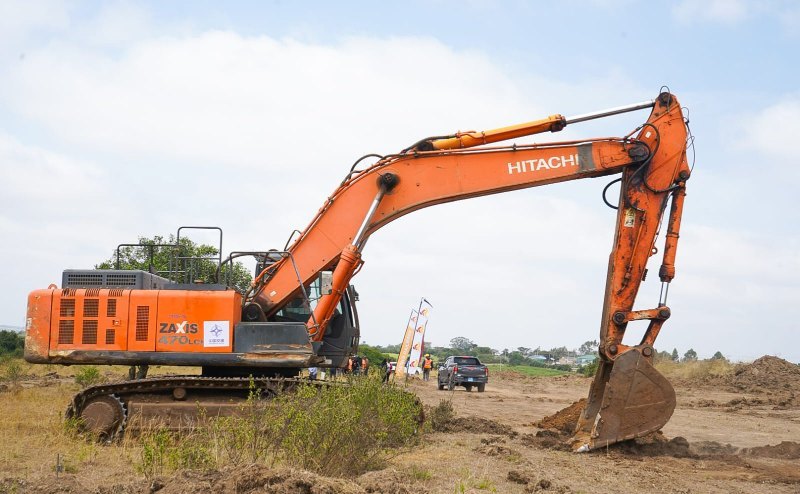
Before construction commenced, Kenya Railways and the National Land Commission held public engagement forums with Project Affected Persons (PAPs) to explain land acquisition procedures, compensation processes and the legal framework governing the project.
The consultations were aimed at promoting transparency and preparing affected communities for implementation.
The government has described the SGR extension as a strategic investment that will deepen economic integration within the East African Community by facilitating faster movement of goods between Kenya, Uganda and other neighbouring countries.
"This railway will enhance trade with East African countries and strengthen Kenya's position as the region's logistics hub." Kenya Railways said.
The economic case for the extension rests on the current inefficiency of road-based transport along the Northern Corridor. Thousands of trucks currently ply the Nairobi-Kisumu highway daily, contributing to severe road damage, frequent accidents, and high transportation costs.
A recent study by the East African Business Council found that transporters pay $1.80 per kilometre on every container of cargo along the Northern Corridor, nearly twice the international average, while countries along the route spend approximately $2,160 per kilometre annually on road repairs.
The SGR extension is expected to reduce freight costs by at least 40% per tonne per kilometre and cut transit times by nearly 30%, with a significant share of cargo shifting from road to rail.
The new line will feature passenger trains running at 120 km/h and freight trains at 80 km/h with the line accommodating freight trains of up to 4,000 tonnes.
Uganda is simultaneously advancing its own SGR from Malaba to Kampala, a 272-kilometre line that will complete the cross-border connection.
The SGR projects operate within the broader context of the Northern Corridor, the critical transport artery connecting landlocked East and Central African countries to the Port of Mombasa.
This 1,700-kilometre corridor serves Kenya, Uganda, Rwanda, Burundi, Democratic Republic of Congo, and South Sudan, handling over 85% of East African Community trade.
The construction of the Kenyan rail is being handled Chinese firms China Communications Construction Company (CCCC) and China Road and Bridge Corporation (CRBC) alongside a partnership with Kenya's pension scheme, NSSF. The project is budgeted at KES 700 billion.