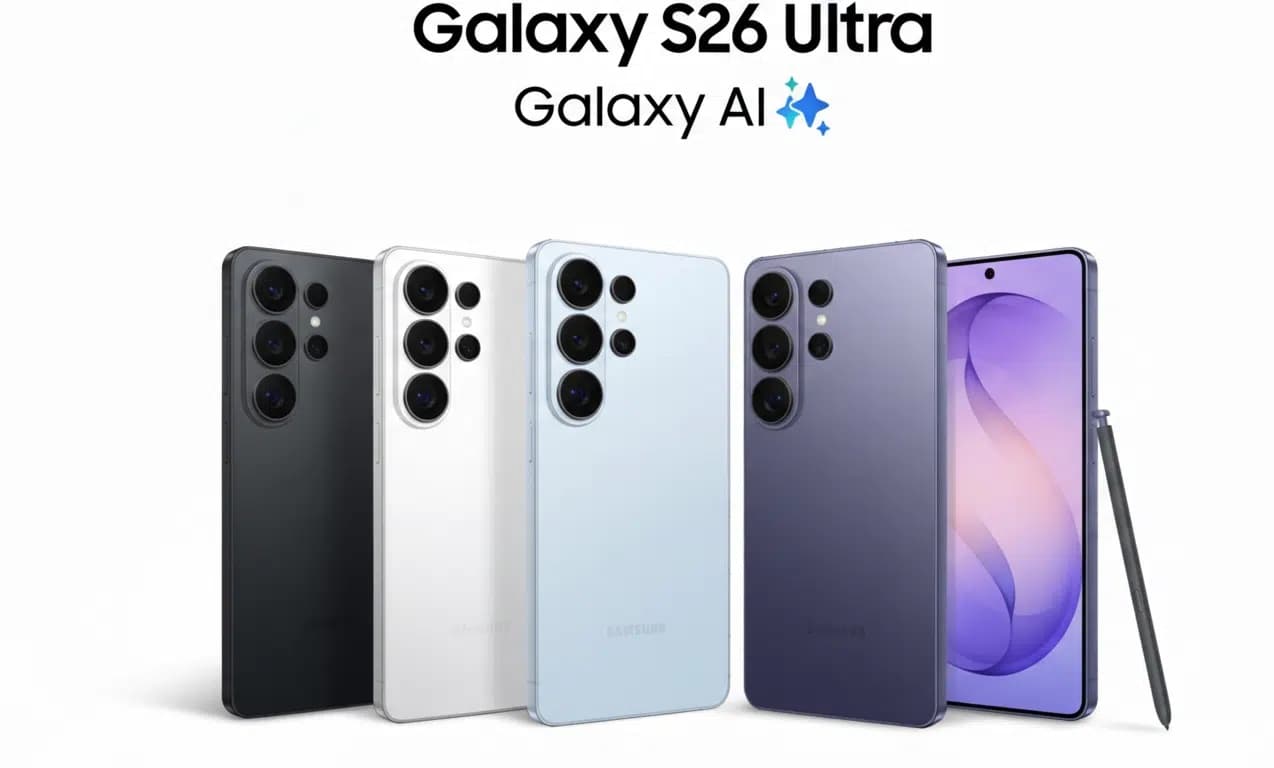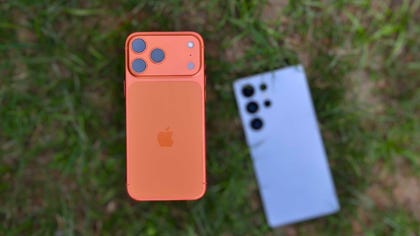
Apple is set to dethrone Samsung as the world's top smartphone maker in 2025 and is expected to maintain that lead through at least 2029, according to a market report forecast, indicating a major technological shift in user preferences.
Apple is on the brink of reclaiming a title it has not held in more than a decade - the world’s largest smartphone manufacturer, buoyed by shipments of the iPhone 17 lineup, including the iPhone Air, iPhone 17 Pro and iPhone 17 Pro Max which have exceeded expectations.
Industry projections released this week indicate that the company is set to surpass Samsung in total global shipments for the first time since 2011, marking a major realignment in the global smartphone landscape.
Analysts point to unusually strong demand for the iPhone 17 lineup as the driving force behind Apple’s rapid ascent.
The newest models, introduced earlier this year, triggered one of Apple’s largest upgrade waves in recent memory.
Millions of consumers who purchased phones during the pandemic-era surge are now returning to replace ageing devices, and Apple has captured a dominant share of those upgrades.
Industry researchers note that the company’s strategy of focusing on premium performance, longer software support, and integrated ecosystem features has resonated strongly in markets including the United States, Europe, and China.
Apple has delayed some AI features, including a revamped Siri with Apple Intelligence, but that has not seemed to hurt its iPhone sales.
According to the report, Apple's introduction of a foldable iPhone and budget models, like an anticipated iPhone 17E that could launch as the company moves away from an annual release cycle, will help Apple continue its dominance over the next few years.
Samsung faces pressure despite a strong lineup
Samsung, which has held the global top position for 14 consecutive years, continues to ship a wide range of devices, from budget A-series phones to high-end Galaxy S and foldable models.
While the company remains a leader in innovation, especially in foldables, its broad product portfolio has made it more vulnerable than Apple to slowdowns in the mid-range market.
Global smartphone demand has increasingly gravitated toward premium models, a segment where Apple has historically dominated.
As budget and mid-tier orders softened in several regions this year, Samsung felt the impact more sharply than its competitor.
Analysts say that Apple’s rise is not a one-year spike but part of a larger trend. Forecasts now suggest that Apple could hold the top position for multiple years, buoyed by steady demand in developed markets, anticipated expansions in emerging markets, including Africa and rumoured launches.
Meanwhile, Samsung is expected to focus on strengthening its premium lineup and expanding its semiconductor-driven AI enhancements to recapture momentum.
This could also mark the end of one of the longest-running streaks in consumer electronics: Samsung’s 14-year reign at the top of the smartphone world, with both companies preparing major releases in 2026.
The global smartphone market share for Apple will reach 19.4%, according to the report, compared with Samsung at 18.7%.