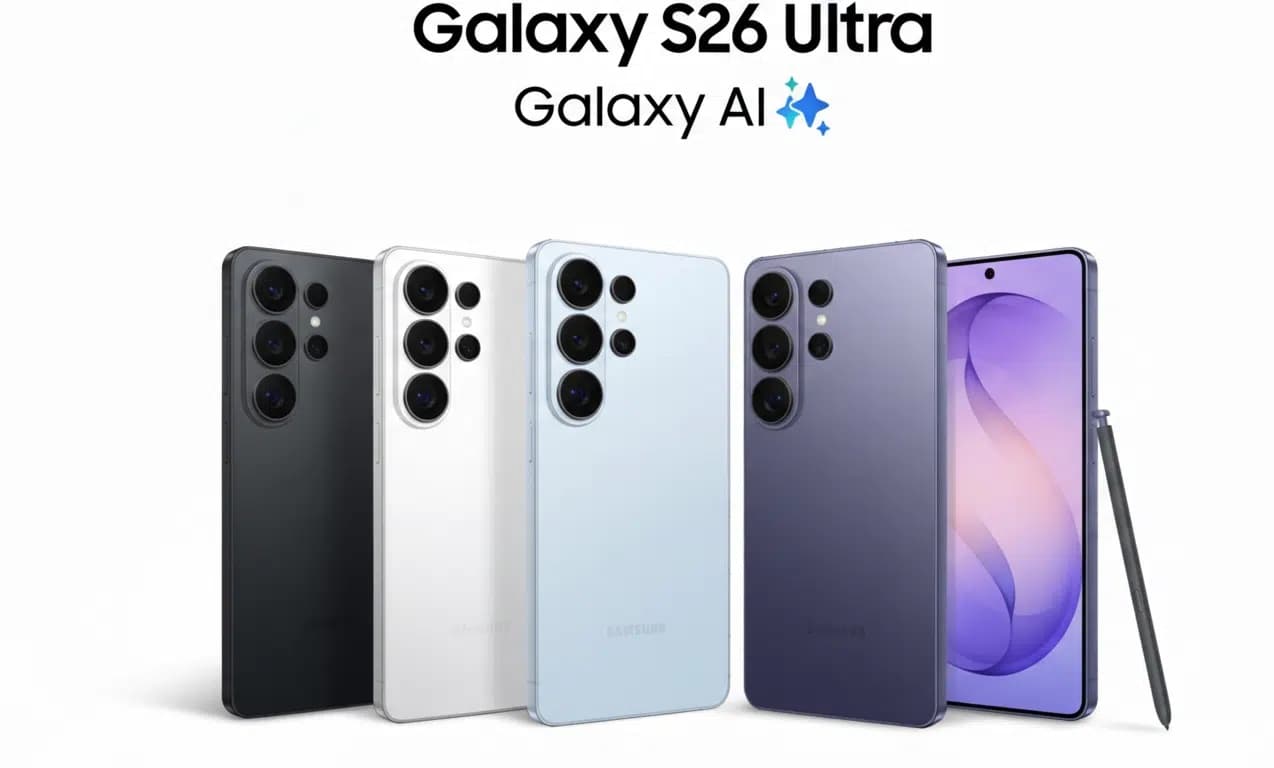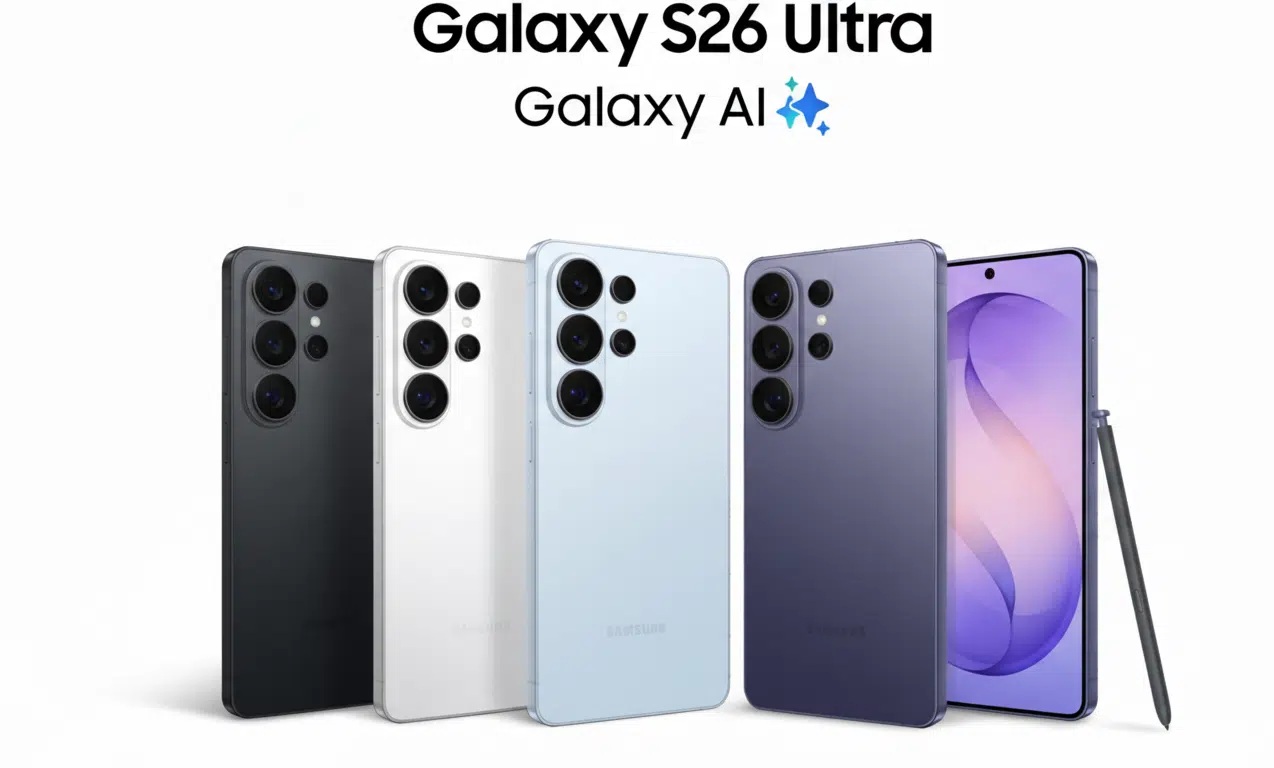
Samsung’s push to lift the Galaxy S26 Ultra’s wireless charging ceiling to 25W was supposed to be simple. In practice, early buyers are finding it messy, with speeds swinging between the old 15W cap and the new peak depending on chargers, cases, and even positioning. The result is a confusing rollout of what should have been a headline upgrade.
The S26 Ultra adds support for the new Qi2 magnetic alignment standard, which improves coil positioning and efficiency. But Samsung stopped short of building a permanent magnetic ring into the phone, leaning instead on magnet-enabled accessories to achieve the 25W rate. On paper, that’s a 67% bump in available power over the S25 Ultra’s 15W—if everything lines up.
Accessory maker Dbrand says its own tests top out at 15W on the S26 Ultra, even with magnet-compatible hardware. In a Reddit post, the company blamed what it calls a “proprietary handshake” that prevents third-party gear from triggering the 25W mode, noting the issue didn’t occur with previous Qi2 iterations but appears with what it describes as Qi2.2. Dbrand floated two explanations: an intentional gate from either Samsung or the Wireless Power Consortium (WPC), or growing pains as a new standard rolls out.
Complicating matters further, Dbrand says it saw similar limitations with select first-party Samsung accessories in internal testing. Meanwhile, some customers report hitting 25W using Samsung’s Magnet Wireless Charger and 45W Travel Adapter paired with official magnet cases. The inconsistent behavior is what’s frustrating buyers—two seemingly identical setups can deliver two different outcomes.
Qi2 Limits and Why Reaching Stable 25W Is Tricky
Qi2’s Magnetic Power Profile, as defined by the WPC, standardizes 15W magnetic charging and alignment—think of it as the cross‑platform counterpart to Apple’s MagSafe approach. Anything above 15W typically means a vendor-specific boost layered on top of the standard. That’s why a charger can be fully Qi2-certified yet still fall back to 15W on phones that require an extra negotiation step for higher wattage.
Context helps here. Apple’s iPhone lineup currently holds at 15W under Qi2. Most Qi2 pads and stands from established brands are also tuned around that level. Samsung aiming for 25W puts the S26 Ultra into a smaller, more proprietary lane, where the charger, the power adapter, the case, and the phone’s firmware all have to agree. Miss any piece, and you’re back at 15W.
Real-World Variables and User Reports on 25W Charging
Alignment is the most obvious variable. Magnetic systems reduce guesswork, but millimeter-scale offsets or weak magnets in a case can sap transfer efficiency and nudge the phone into a safer, slower profile. Case materials matter, too; thicker TPU, added metal plates, or even decorative inserts can disturb the magnetic field and heat dissipation.
Power adapters are another bottleneck. Several reports suggest the 25W mode is more likely to engage when the pad is fed by a 45W USB‑C PD brick that supports Samsung’s higher-voltage profiles. Thermal behavior is equally important: independent charger testing across brands routinely shows fast wireless modes peaking early and then stepping down within minutes as temperatures climb. Expect the S26 Ultra to obey similar laws of physics, especially on warm desks or under heavy background loads.
What Buyers Should Do Now to Reach Reliable 25W
If you want the best shot at 25W, start with Samsung’s own magnet-enabled charger and the 45W Travel Adapter, then add an official magnet case. Keep Fast Wireless Charging toggled on in Battery settings. Place the phone carefully—let the magnets pull it into center—and check your speed readout or use a reputable charging monitor app to verify you’re above the 15W baseline.
Using third-party accessories? Look for explicit Qi2 certification and language that mentions compatibility with Samsung’s 25W wireless charging on the S26 Ultra. Avoid thick or metal-laden cases, and test with different power bricks. If your setup refuses to budge from 15W, the limitation may be firmware- or handshake-related rather than a simple hardware flaw.