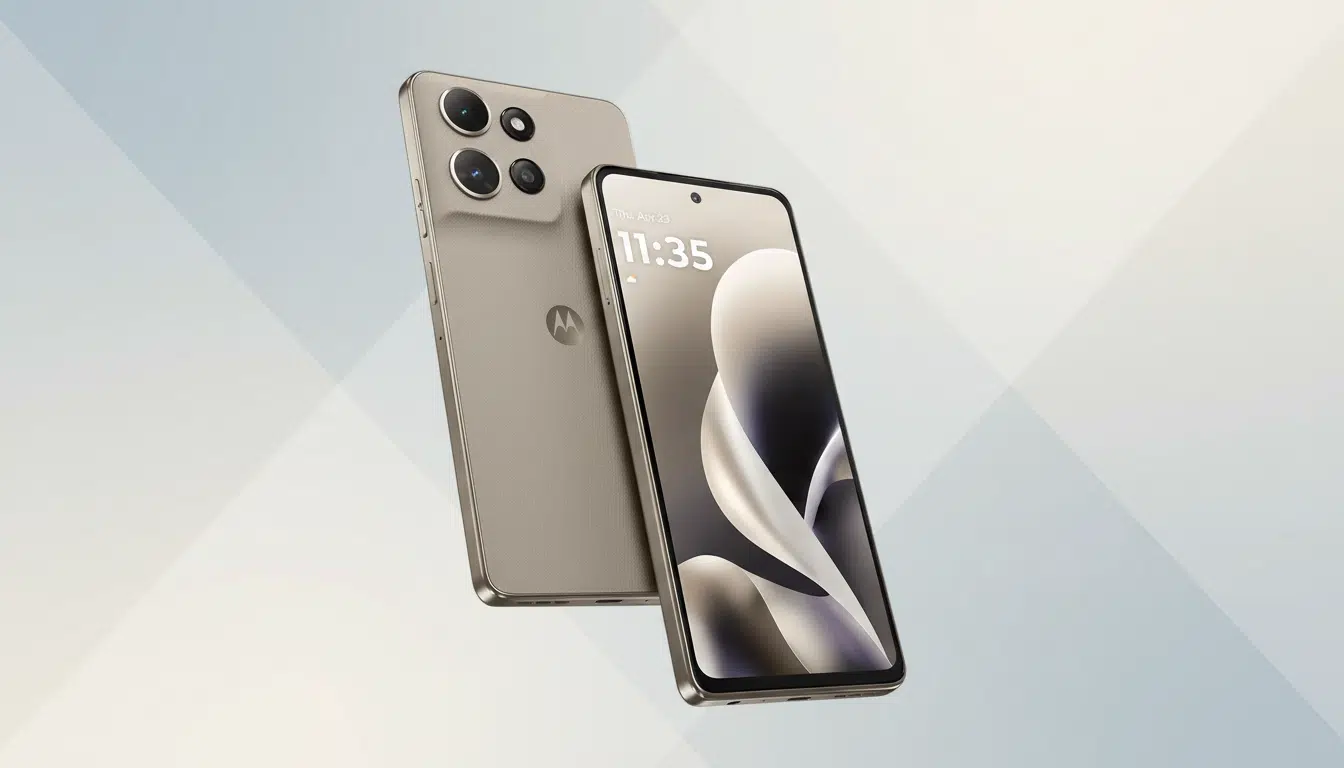
Motorola’s latest budget hero does not try to dazzle with gimmicks. Instead, the Moto G Power (2026) quietly fixes the basics and adds real durability, a sharper display, and better everyday polish than its cheaper siblings. At $299, it is the least expensive Moto that feels like a safe recommendation rather than a compromise.
In a sea of lookalike entry-level phones, two things immediately push the Moto G Power (2026) ahead: proper protection and a better screen. You still get old-school comforts like a headphone jack and microSD expansion, but the conversation here is about durability you can trust and a viewing experience that finally clears the bare-minimum bar.
Design and Durability That Go Beyond Typical Budget Phones
The frame is plastic, but the front glass isn’t the dated stuff we often see in this bracket. Corning’s Gorilla Glass 7i covers the display, which is a meaningful upgrade over the Gorilla Glass 3 panels common in cut-rate rivals. More impressive, Motorola certifies the phone to both IP68 and IP69, meaning resistance to immersion and to high-pressure, high-temperature water jets under IEC 60529 standards. Dual certification on a $300 device is unusual—and genuinely useful for anyone hard on their phone.
Finishes feel more considered, too. The textured, vegan leather-style back resists smudges and adds grip, and the Pantone-inspired colorways give the handset a calmer, more premium vibe than its price suggests. The only misstep is the camera bump’s “third ring,” which serves aesthetics more than optics.
A Display That Finally Delivers Clarity and Real Brightness
Budget Moto displays have long been stuck at 720p. Not this time. The 6.7-inch LCD is 1080p with a 120Hz refresh rate and up to 1,000 nits peak brightness, making scrolling, video, and maps noticeably clearer and smoother. While some competitors offer AMOLED at this price, Motorola’s move to Full HD and higher brightness addresses the bigger pain points for day-to-day use, particularly outdoors.
Stereo sound would have sweetened the deal, but the single-speaker setup is serviceable. The presence of a 3.5mm jack remains a welcome nod to practicality.
Performance and Software Support That Suit Daily Use
Under the hood, the Moto G Power (2026) runs MediaTek’s 6nm Dimensity 6300 paired with 8GB of RAM and 128GB of UFS 2.2 storage, expandable via microSD. In synthetic tests like Geekbench 6, PCMark, and 3DMark Wild Life, results track closely with the previous generation and Motorola’s cheaper 2026 models that use the same chip. Translation: responsive for social, messaging, streaming, and navigation; limited headroom for heavier games.
The experience is helped by Motorola’s light touch on Android, though a few partner apps and subscription prompts feel out of place. The bigger caveat is longevity: Motorola’s policy of two Android version updates and three years of security patches trails leaders in the budget field. If you upgrade often, this may not matter; if you keep phones longer, it will.
Cameras That Actually Make Sense for Everyday Shooting
This is the rare budget Moto where both rear cameras pull their weight. The 50MP main sensor (binned to 12.5MP) with an f/1.8 lens captures pleasing detail and natural color in daylight, holding up reasonably well indoors. Motorola also adds 1080p at 60fps video capture—still no 4K, but smoother motion is a real quality-of-life bump.
The 8MP ultrawide (119°) is the differentiator. It’s not just for sweeping scenes; Motorola’s software macro from the ultrawide outclasses the throwaway macro lenses commonly found under $300. Digital zoom tops out at 8x and is best kept to 2x for social posts. Up front, a 32MP selfie camera delivers clean skin tones and solid edge detection, with occasional misses on challenging hair outlines.
Battery Life and Charging That Keep Stress to a Minimum
The 5,000mAh cell is the definition of low-drama power: one long day with headroom, often stretching into a second with light use. Wired charging peaks at 30W, getting you from empty to full in a little over an hour in testing—faster than some mainstream rivals, though not class-leading.
One regression: wireless charging is gone this year. It’s not a deal-breaker at this price, but it will irk anyone coming from the prior model that had it.
How the Moto G Power (2026) Stacks Up Against Rivals
Competitors emphasize different trade-offs. Some $200–$300 phones from Samsung and Nothing deliver stronger GPU performance or AMOLED panels, and several brands now promise longer software support. On the other hand, few in this tier match the Moto’s IP68/IP69 combo or pair it with a grippy, fingerprint-resistant finish and expandable storage. Corning’s latest midrange glass and Motorola’s tasteful colors add to the perception of value.
Conclusion
The Moto G Power (2026) feels like the new baseline for what a budget Android phone should be: sturdy, pleasantly designed, and competent where it counts. It won’t wow spec hunters or marathon gamers, and the short update runway gives pause, but the blend of Full HD 120Hz screen, all-weather IP rating, reliable battery life, and a genuinely useful ultrawide camera makes this the cheapest modern Moto you should buy.