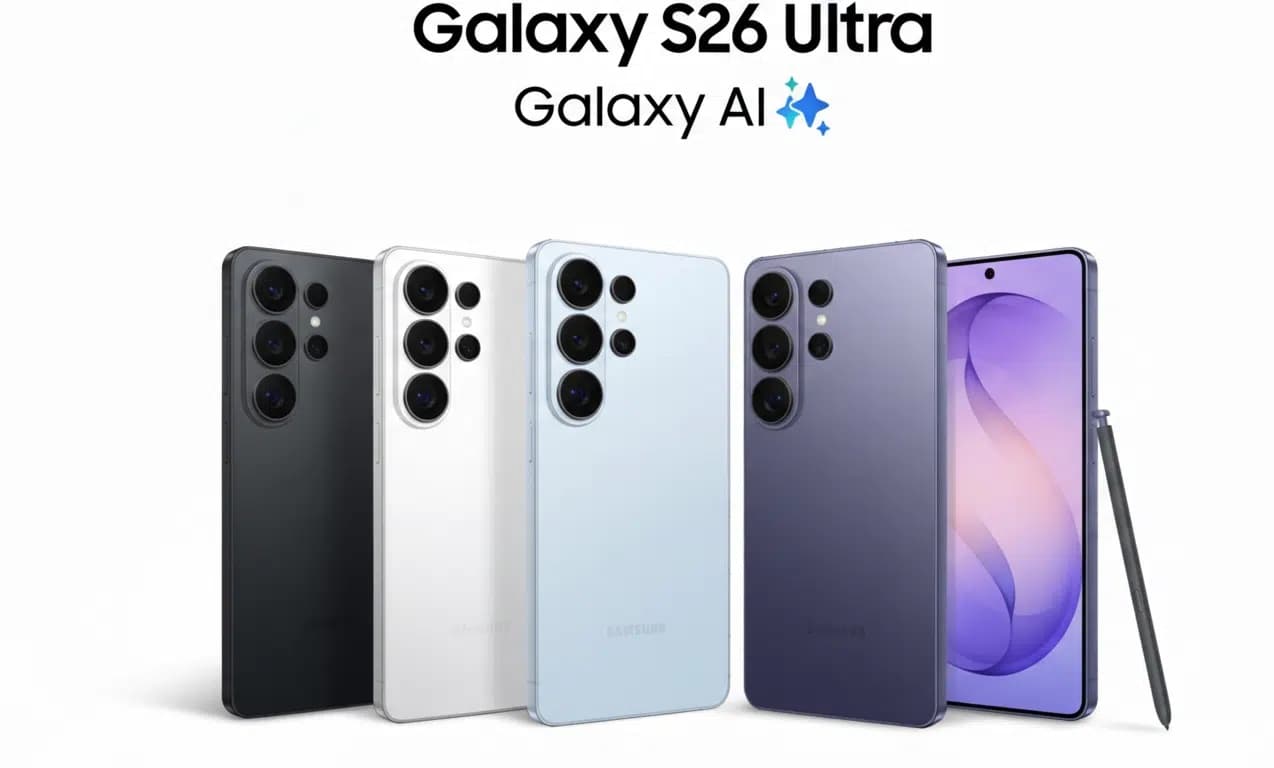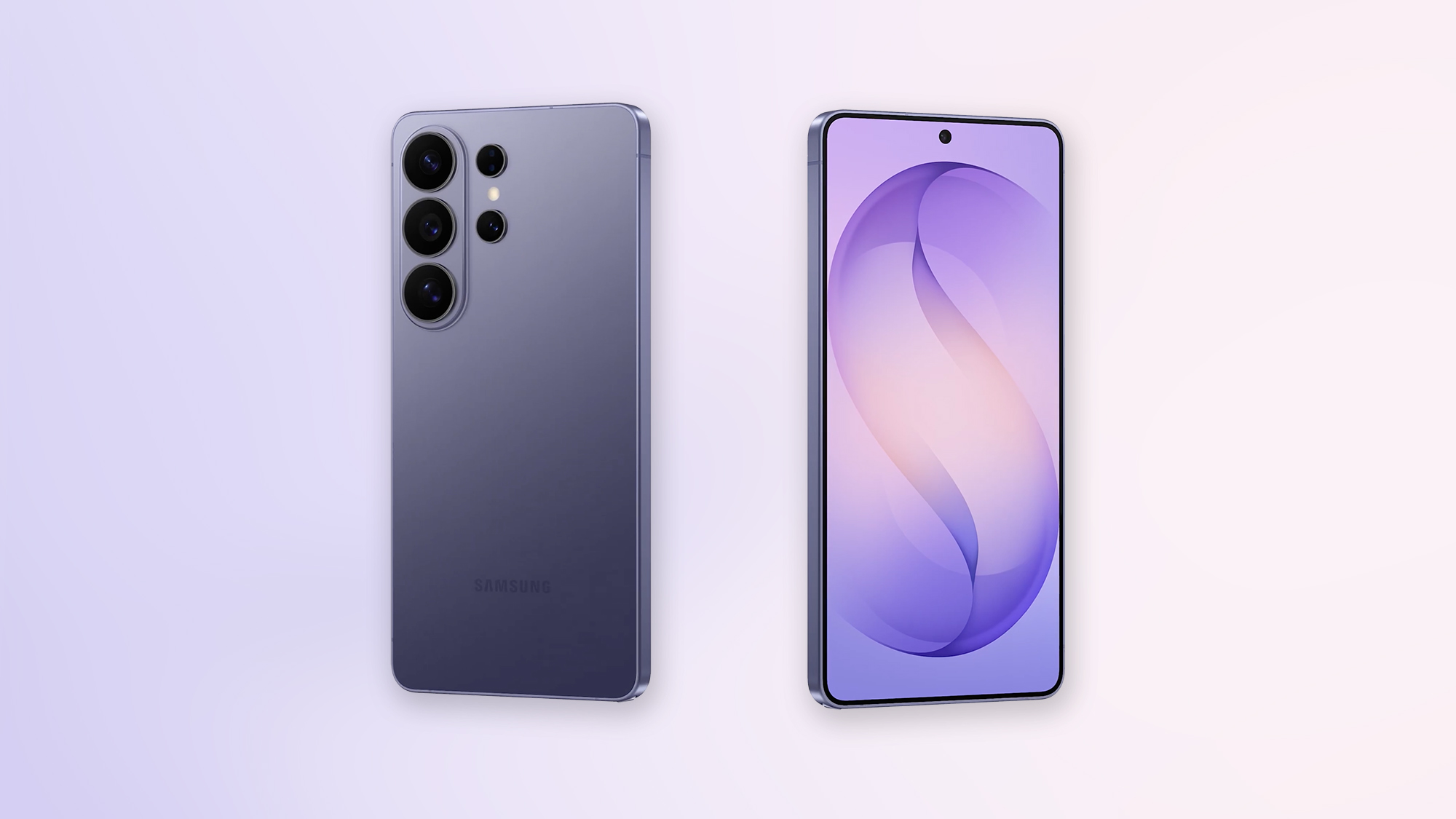
Samsung Galaxy S26 Ultra first camera samples have emerged, offering a glimpse into its photographic capabilities. While the hardware appears to closely mirror its predecessor, the Galaxy S25 Ultra, Samsung has introduced subtle yet impactful refinements. These changes emphasize a focus on optimizing the user experience rather than pursuing dramatic overhauls, signaling a deliberate strategy to enhance existing strengths.
The first real-world photos from a retail Galaxy S26 Ultra as seen by julisha.co.ke/subscriptions , offer an early look at how Samsung’s next flagship handles color, detail, and low light. Early impressions point to brighter exposures and crisper microcontrast from the S26 Ultra, especially in challenging mixed lighting.
Key Hardware Upgrades: Larger Apertures for Enhanced Light Capture
The Galaxy S26 Ultra retains the same sensor configuration as the Galaxy S25 Ultra but incorporates a critical upgrade: larger apertures on both the main wide and periscope telephoto cameras. This enhancement allows the camera to capture more light, significantly improving image quality, particularly in low-light conditions.
For users, this translates to brighter, sharper photos with better detail retention in challenging lighting environments. By addressing light capture limitations, Samsung has demonstrated a commitment to refining its hardware’s potential rather than chasing higher megapixel counts or introducing entirely new sensor technologies. This approach underscores a focus on practical improvements that directly benefit everyday photography.
Noticeable Improvements in Image Quality
Early camera samples reveal marked advancements in image quality compared to the Galaxy S25 Ultra. Photos exhibit brighter tones, improved shadow detail, and reduced noise, particularly in low-light scenarios. These improvements are largely attributed to the larger apertures, which enable better exposure and clarity in dimly lit environments.
Samsung has also fine-tuned its image processing algorithms. These refinements ensure balanced exposure, enhanced color accuracy, and preservation of natural tones across various lighting conditions. For users, this means consistent performance whether capturing indoor shots, nighttime scenes, or high-contrast environments. The result is a camera system that delivers reliable, high-quality results in diverse scenarios.
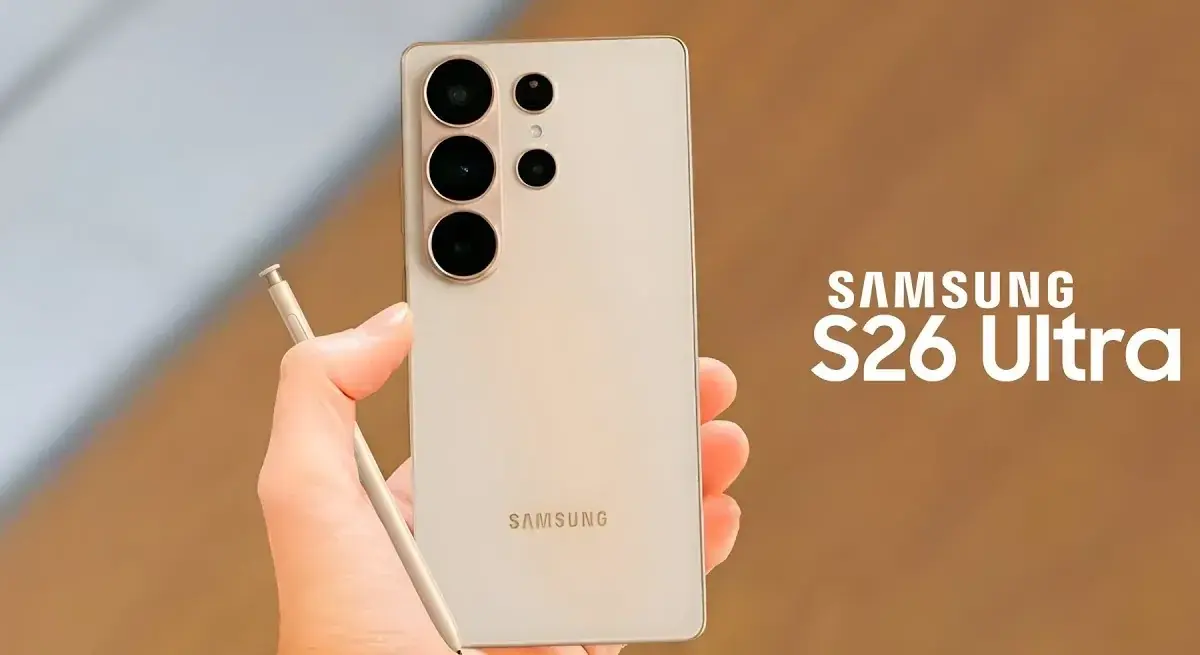
Zoom Enhancements and Dynamic Range Refinements
The periscope telephoto lens, a standout feature of Samsung’s flagship devices, benefits significantly from the larger aperture. This upgrade enhances zoom performance by allowing more light to enter the lens, resulting in sharper, more detailed images even at higher magnifications. Early samples suggest that the Galaxy S26 Ultra maintains impressive clarity and minimizes noise, even at extreme zoom levels.
Dynamic range has also seen subtle but meaningful improvements. The camera system effectively balances highlights and shadows, preserving details in both bright and dark areas. This is particularly advantageous for high-contrast scenes, such as landscapes or backlit portraits, where maintaining detail across the frame is essential. These refinements ensure that users can capture scenes with greater depth and realism.
Why wider apertures matter for real-world photography
Multiple reliable leaks have suggested the S26 Ultra retains broadly similar camera hardware to its predecessor but widens key apertures: the 200MP main camera to a reported f/1.4 from f/1.7, and the 5x telephoto to f/2.9 from f/3.4. On paper, that’s a meaningful light gain—about 47% more light for the main camera and roughly 37% more for the 5x, or around 0.56 and 0.46 stops, respectively.
More light buys options. The camera can drop ISO for cleaner files, hold faster shutter speeds to freeze motion, or blend fewer frames for reduced ghosting in HDR. It can also help autofocus lock faster in dim scenes. The trade-off is shallower depth of field, which raises the bar for precise focus and can reveal edge softness or cat-eye bokeh near the frame margins if optics aren’t perfectly corrected.
If the silicon and imaging pipeline have also advanced—think upgraded ISP throughput and more robust semantic segmentation—wider apertures can be leveraged without increasing artifacts. Recent trends in computational photography lean on multi-frame fusion, learned tone mapping, and subject-specific tuning to preserve texture while tamping down noise.
Early comparison with the Galaxy S25 Ultra and S26 Ultra
The side-by-side samples suggest the S26 Ultra is a touch brighter with finer microdetail and steadier white balance versus the S25 Ultra. In the portrait, skin highlights look less plasticky, and in the night building shot, shadow noise is reduced with fewer sharpening halos along high-contrast edges.
Important caveats apply. Even small exposure differences, focus point shifts, or processing variances can change outcomes. And pre-release or early retail firmware often differs from what ships widely. Still, the consistency across multiple scenes hints that wider apertures plus tuning refinements—not just chance—are driving the improvements.
What to watch for in comprehensive camera testing
Texture–noise balance in low light will be key: can the S26 Ultra keep fabric weave, hair, and foliage intact without waxiness at base ISO and beyond ISO 1000? Watch for HDR compositing in high-contrast scenes—good tone mapping should protect sky gradients and neon highlights without flattening midtones.
Autofocus reliability is another checkpoint, especially with the wider main aperture. Look for confident face/eye tracking, minimal focus hunting at dusk, and consistent subject isolation without edge fringing. Color consistency across the main, ultrawide, and 5x modules is equally crucial so scene-to-scene switching feels seamless.
For the telephoto, expect gains in indoor and night shots thanks to the reported aperture bump. Evaluate fine detail at 5x and beyond, resistance to veiling flare on point light sources, and how the phone blends optical with in-sensor zoom ranges. Finally, video stabilization, low-light noise, and HDR in 4K60 remain decisive for creators
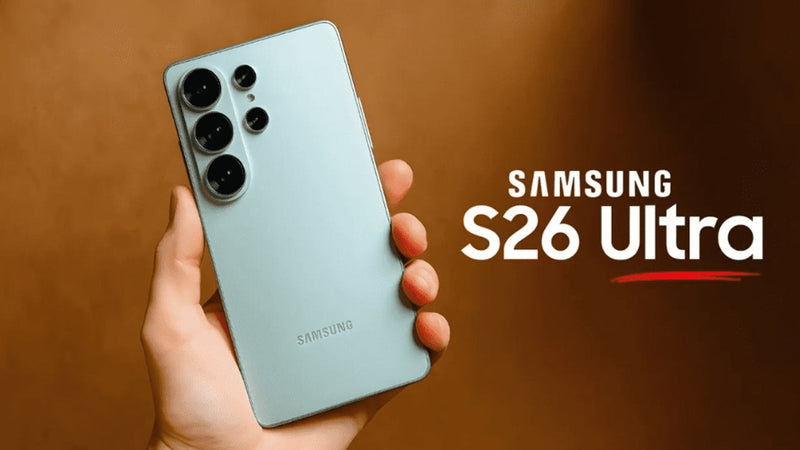
The Galaxy S26 Ultra represents a strategic shift in Samsung’s approach to smartphone photography. Rather than introducing innovative new technologies, the company has focused on refining existing features to deliver a more polished and reliable experience. This approach reflects a mature understanding of user needs, prioritizing meaningful, real-world improvements over attention-grabbing specifications.
By concentrating on enhancements such as larger apertures, improved image processing, and subtle hardware optimizations, Samsung has crafted a device that emphasizes consistency and reliability. These refinements align with the expectations of users who value dependable performance over experimental features.