From a budget-friendly MacBook to a new iPhone, Apple announced a series of new products this week. The company redefined its entry tiers with MacBook Neo and the iPhone 17e, two devices designed to pull more people into the Apple ecosystem without forcing premium-price decisions.
MacBook Neo Targets First-Time Mac Buyers
MacBook Neo is Apple’s new on-ramp to the Mac. Think the portability-first ethos of Air distilled even further: a slim, light chassis, a bright Retina-class display, and a pared-back port selection that keeps essentials in reach. Apple framed Neo as a daily driver for students, creators just starting out, and small businesses standardizing fleets—audiences that have been cost-sensitive yet increasingly app-dependent.
Under the hood, Apple silicon remains the story. While Apple didn’t turn this into a teraflops flex, the focus was on efficiency cores, instant wake, and all-day battery life that survives heavy browser tabs, video calls, and creative apps. That mirrors what industry testing has shown across Apple’s chips: performance per watt that makes fan noise and desk chargers feel like relics.

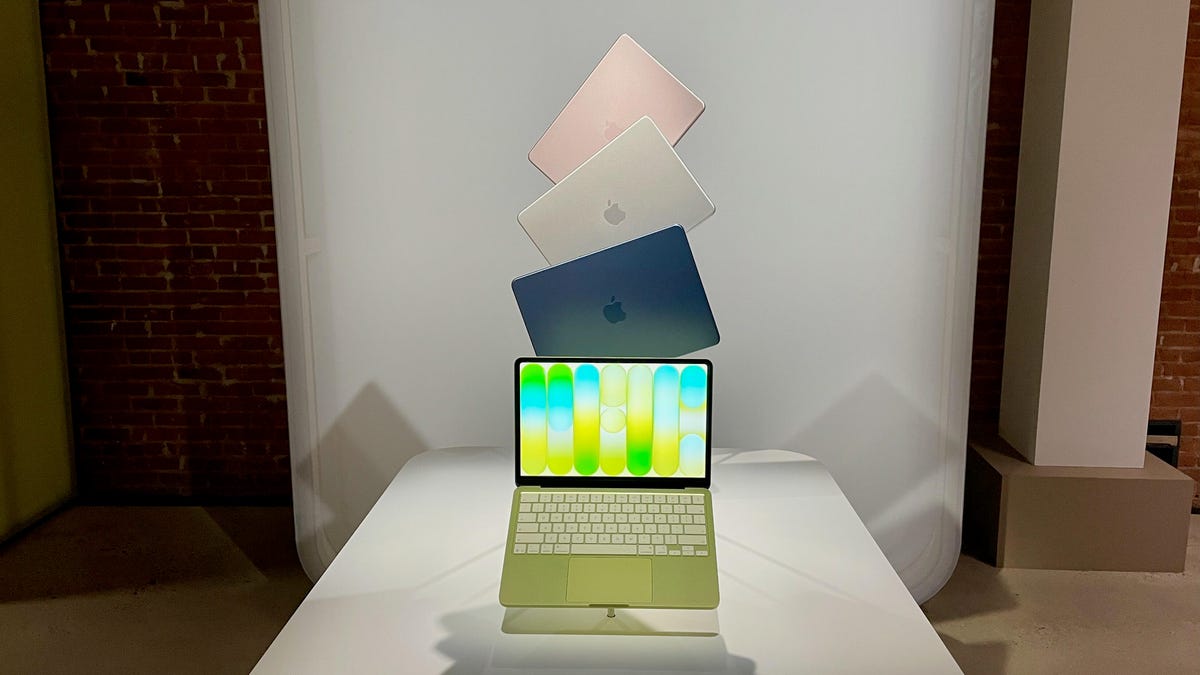
Starting at $599, the MacBook Neo is designed for students and users whose tasks don’t require intensive workflows like video editing or 3D rendering. The 13-inch laptop comes in four colors: silver, blush, citrus, and indigo. The base model comes with 256GB of storage, while the $699 model comes with 512GB of storage, plus Touch ID.
The laptop runs on the A18 Pro chip, which powers the iPhone 16 Pro models, rather than the more powerful, pricey M5 chip that the latest MacBook Air uses.
The MacBook Neo comes with a 1080p FaceTime HD camera and dual microphones, along with speakers on each side that support Spatial Audio. The battery can last up to 16 hours on a single charge, delivered through one of its two USB-C ports.
The MacBook Neo features a five-core GPU and a 16-core Neural Engine, which supports similar levels of gameplay and on-device AI tasks as a recent iPhone.
The strategy is bigger than one laptop. In markets, affordability and manageability decide the winner. Neo positions Apple to compete head-on with machines that historically undercut the Mac on price, while keeping macOS features like AirDrop, Focus modes, and Continuity that students actually lean on.
iPhone 17e Brings Flagship Smarts To The Budget Line
Apple’s new iPhone 17e effectively replaces the old “SE” playbook with something more modern. The “e” reads as “essential,” and the hardware backs that up: a contemporary design with USB-C, an OLED display rather than a bargain-bin panel, and a main camera tuned for night scenes and stabilized video. The silicon choice is pragmatic—top-tier brains from recent flagships flow down to the 17e so everyday tasks feel instant and on-device AI features don’t stutter.
The iPhone 17e behaves like a flagship where it counts: speed, camera quality, storage, and charging. The 17e keeps the compact 6.1-inch footprint, which immediately feels friendlier than the 6.3-inch iPhone 17 and 17 Pro for one-handed use and pocketability. The aluminum frame remains reassuringly rigid, while the back glass gets a subtle, grippy texture that resists smudges. A new Soft Pink finish joins the lineup, but the practical upgrade is Ceramic Shield 2 on the front, which Apple positions as tougher against scratches and drops.
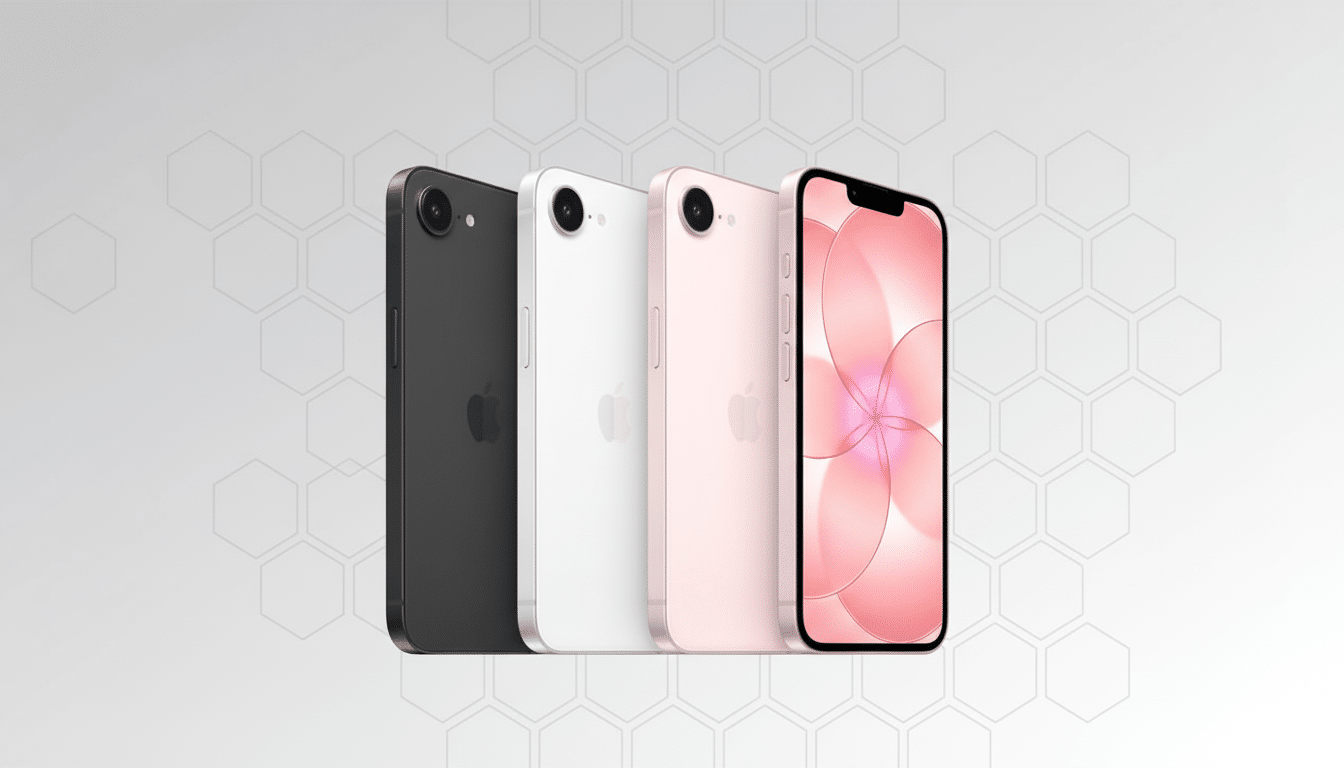
USB-C persists (Gen 2), a relief for anyone juggling cameras and laptops. The switch to Apple’s C1X modem brings smoother handoffs and higher 5G throughput. Equally important, Apple doubled base storage to 256GB at the same $599 price. For buyers capturing 4K video, RAW photos, or downloading offline maps and playlists, that single change removes a frequent “should I upgrade?” dilemma and undercuts rivals that still start at 128GB.
One of the biggest quality-of-life wins: MagSafe is here, enabling magnetic chargers and accessories and unlocking up to 15W wireless charging. That’s a clean 2x jump over the 7.5W limit on the previous “e” model and the sort of everyday upgrade you feel immediately—less fiddling, faster top-ups, and a mature ecosystem of stands, wallets, and battery packs.
The primary sensor matches the iPhone Air’s 48MP Fusion system, combining pixel binning for low light with a crisp 2x in-sensor crop for lossless-like zoom.
At $599, the 17e undercuts the standard iPhone 17 by $200 while inheriting the upgrades that matter: A19 performance, a modern 48MP camera, double the storage, and MagSafe. If you don’t need the 17’s brighter panel or additional camera hardware, the 17e now feels like the default recommendation for most buyers, first-time iPhone users, and anyone upgrading from a 13 or older.
The iPhone 17e is the rare “budget” model that doesn’t read like a parts bin special. Apple’s tighter focus—faster silicon, a serious camera, bigger storage, and MagSafe—solves the right problems for everyday users.
It’s a timely pivot. Mid-tier phones account for the lion’s share of global shipments, and the Android side has been winning in this band with aggressive specs. By leaning into performance, camera quality, and support cycles, Apple is betting many buyers would rather choose longevity over spec-sheet theatrics.
There’s also a services angle. A lower barrier iPhone that still feels premium is a direct feeder to Apple’s broader revenue stack—iCloud, TV+, Fitness, Arcade, and the App Store. A device that lasts longer and gets years of updates keeps customers in that loop, which matters as upgrade cycles stretch.
Alongside the two budget devices, Apple also unveiled :
M5 MacBook Air
Apple’s new MacBook Air was designed to be better at handling AI tasks. The new MacBook Air comes with 18 hours of battery life, which is a six-hour improvement over the 2020 Intel-based Apple laptops, and features a 12 MP Center Stage camera for video calls, a three-mic array, and a sound system with Spatial Audio and Dolby Atmos support. It also features two Thunderbolt 4 ports, a MagSafe charging port, and a standard 3.5 mm headphone jack.
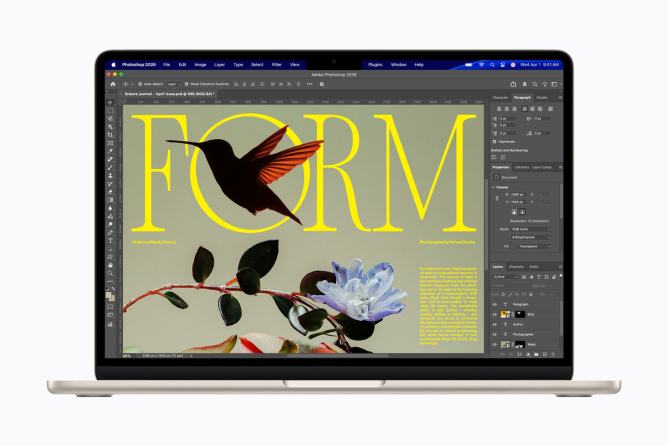
The 13-inch MacBook Air starts at $1,099 and the 15-inch model starts at $1,299. They are available in sky blue, midnight, starlight, and silver. The Air now also starts with 512GB of storage, doubling the base capacity of the previous model.
iPad Air M4
Apple announced the new iPad Air, powered by the M4 chip, making it 30% faster than the M3 iPad Air and 2.3x faster than the M1 version. The new device still retails for the same price of $599 for the 11-inch model, and $799 for the 13-inch model. For educational customers, there’s a $50 discount. The iPad Air is designed to be faster, thanks to an updated neural engine and more memory, making it better for AI uses.
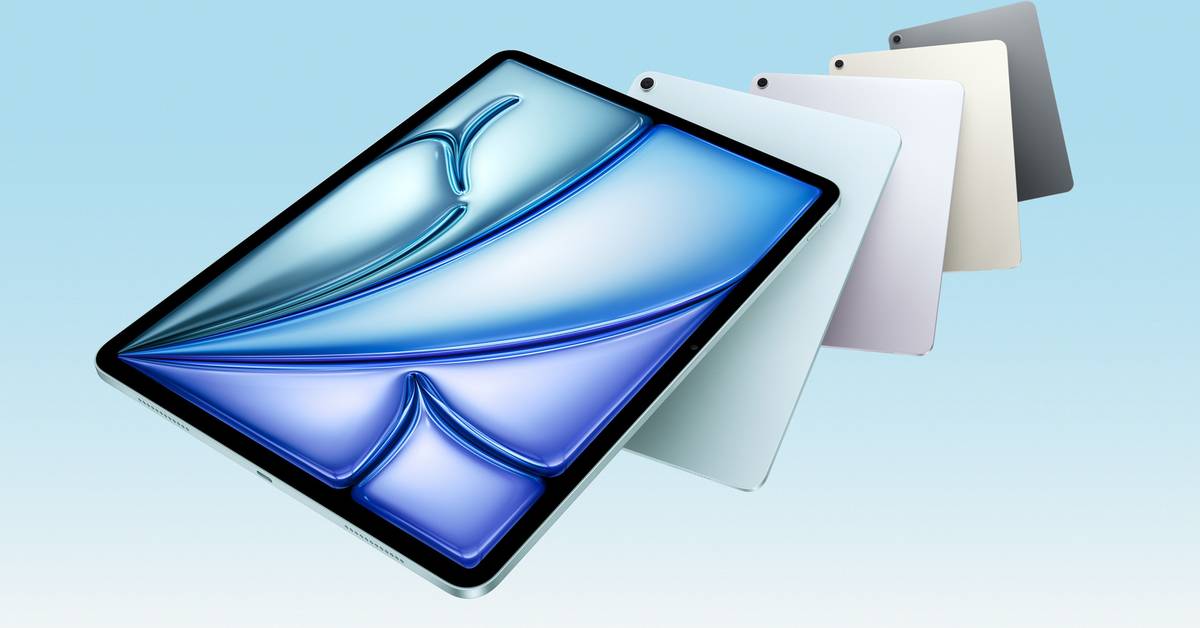
The iPad Air also features an 8-core CPU and a 9-core GPU, making it a decent option for gaming or photo editing. It also comes with 12GB of unified memory, a 50% increase from the previous model, and the memory bandwidth is now up to 120GB/s. Apple says these upgrades enable users to run AI models faster than on previous generations. The device comes in four colors: blue, purple, starlight, and space gray. Storage options are 128GB, 256GB, 512GB, and 1TB.
Who Should Buy These Devices
Apple kept exact pricing and regional bundles tightly controlled, but the positioning is clear: iPhone 17e undercuts premium siblings without feeling compromised, while MacBook Neo lands well below Pro-class machines and even nudges the Air on value. For students, first-time Mac buyers, and small teams scaling fast, the math finally favors new Apple hardware instead of stretching aging machines another year.
If you rely on heavier video, 3D, or complex Xcode builds, the refreshed higher-end MacBooks remain the play. But for the widest slice of users—email, documents, web apps, photo edits, and long Zoom days—Neo and 17e look purpose-built.