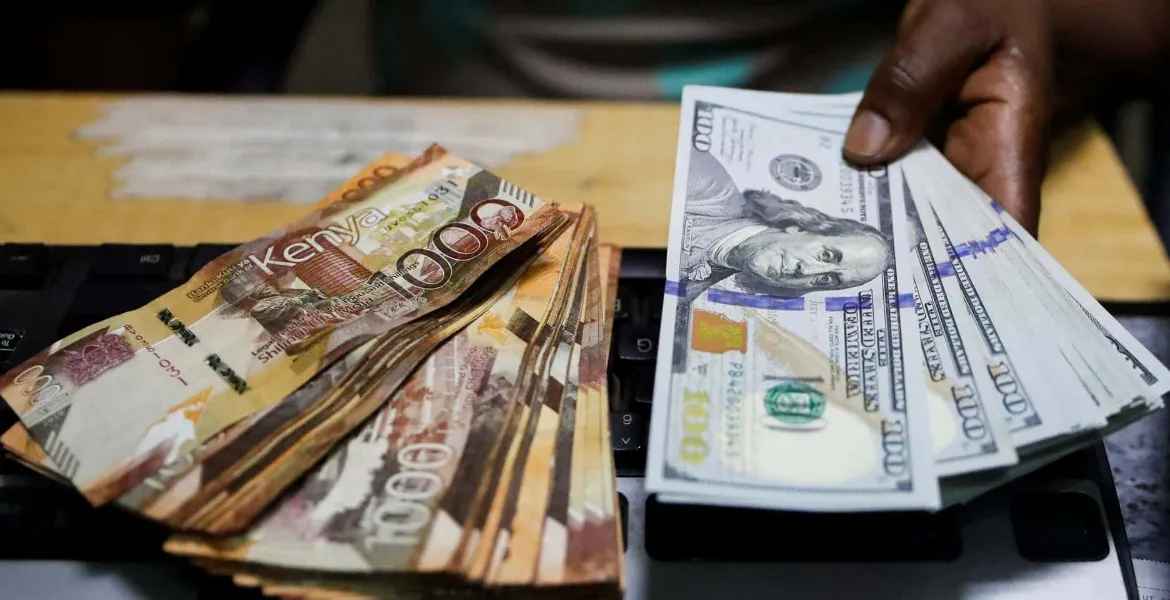
Money sent home by Kenyans abroad fell by Sh21.6 billion as of March 16, 2026, with inflows dropping to Sh1.85 trillion from Sh1.87 trillion recorded in the same period on March 12, according to data from the Central Bank of Kenya.
Even with the decline, Kenya’s forex reserves during the week stood at USD 14.3 billion, equivalent to 6.1 months of import cover, and above the statutory requirement of maintaining at least 4.0-months of import cover. The update comes at a time when external buffers have also been supported by proceeds from Kenya’s February Eurobond issuance.
Diaspora remittances have become one of Kenya’s most vital sources of foreign exchange, helping to stabilize the Kenyan shilling and provide a financial cushion for the country’s trade balance. These funds have contributed positively to reducing the country’s current account deficit, which has been a persistent challenge for the Kenyan economy. The remittances not only provide financial relief to families but also support the wider economy by increasing the supply of foreign currency, which helps maintain a stable exchange rate.
The Kenyan diaspora continues to be a lifeline for many households across the country, providing crucial funds for education, healthcare, housing, and other basic needs. According to data from the Ministry of Foreign Affairs, over three million Kenyans currently reside abroad, with significant populations in the United States, the United Kingdom, Canada, and other regions like the Middle East and Australia. This diaspora community has not only played a critical role in supporting their families financially but has also been instrumental in fostering business ties and investments between Kenya and the rest of the world.
The United States remains the largest source of remittances to Kenya. This relationship between Kenya and the U.S. diaspora has been nurtured over decades, with Kenyans in the U.S. sending significant portions of their earnings back home to assist relatives. The U.S. remains a crucial market for remittance services, and Kenya continues to benefit from this connection.
The US accounted for 54.23 per cent of Kenya’s total diaspora remittances of $5.04 billion (Sh650.16 billion) last year, up from 53.17 per cent of $4.95 billion (Sh638.55 billion) in 2024.
While the U.S. contributes the largest share, other regions have also seen consistent growth in remittances sent to Kenya. For instance, the UK, Canada, and Australia have become increasingly important sources of remittance income, with growing Kenyan populations in these countries. Additionally, there has been notable growth in the Gulf Cooperation Council (GCC) countries, where Kenyan labor migrants have contributed to the inflow of funds.
In Africa, Kenya’s immediate neighbors are also important sources of remittances. Tanzania, Uganda, and South Africa are some of the leading African countries contributing to Kenya’s remittance inflows.
High Cost Barrier
Several challenges continue to affect the sector. One significant concern is the high cost of remittance services. The cost of sending money from countries like the United States to Kenya remains higher than the global average, with service fees as high as 12%. The United Nations has set a target to reduce remittance fees to 3% by 2030, but for now, the high costs continue to eat into the amount that reaches the intended beneficiaries.
Another challenge is the potential impact of global political changes. For instance, changes in immigration policies in countries like the U.S. could reduce the number of Kenyans able to work and send money home. With more stringent deportation policies under the current U.S. administration, the potential for reduced remittance inflows exists. This, combined with shifts in global employment trends, could pose a risk to the stability of remittance flows in the coming years.
The Role of Financial Institutions
Kenyan financial institutions have played a crucial role in ensuring the efficient flow of remittances into the country. Over the years, Kenyan banks and mobile money providers have partnered with international remittance service providers to create a network that makes it easier for Kenyans abroad to send money home. The integration of digital technologies such as mobile money has been particularly impactful, making remittance services more accessible and affordable to the general public.
In addition to facilitating remittance transactions, local financial institutions have also developed products aimed at encouraging financial inclusion among diaspora communities. These products range from savings accounts to investment opportunities tailored for people living abroad, helping Kenyans build wealth and invest in both domestic and international markets. This move towards financial inclusivity has allowed more diaspora members to formalize their financial activities and contribute to the country’s economic development in meaningful ways.