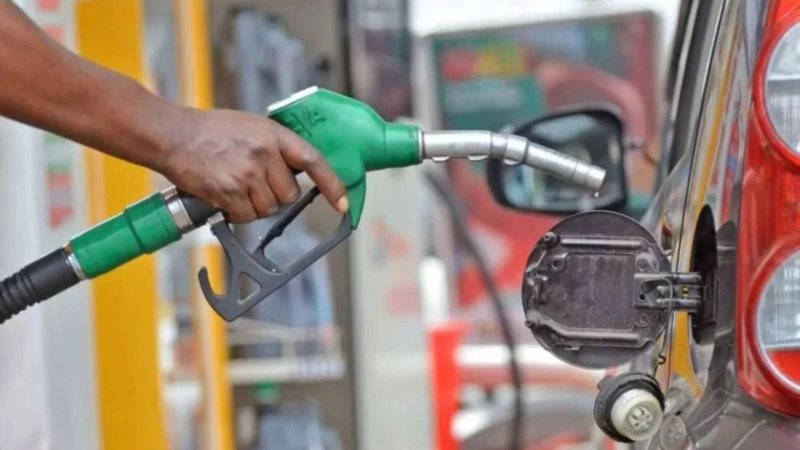
Motorists and businesses across Africa will dig deeper into their pockets this April after fuel prices rose sharply following disruptions in global oil supply linked to escalating tensions in the Middle East, featuring the United States, Israel and Iran.
Ghana, Mauritania, Somalia and Tanzania are some of the countries that have hiked the fuel prices. Somalia’s government said it has limited control over fuel prices as imports are handled by private companies in a largely liberalised market. Petroleum Minister Dahir Shire Mohamed said prices have risen sharply due to “external shocks”, linking the increase to regional tensions affecting global supply routes. Fuel prices have climbed from $0.70 to $1.75 per litre, a 150 percent increase.
In Ghana, the National Petroleum Authority raised mandatory minimum price floors for the April 1–15 pricing window, pushing petrol prices up around 15 percent to 13.30 cedis ($1.21) per litre (0.26 US gallon) and diesel up roughly 19 percent to 17.10 cedis.
President John Mahama said on Monday that the government was considering steps to cushion consumers, including reducing fuel margins and reviewing a recently imposed levy on petroleum products. He also raised the prospect of a formal supply agreement with Nigeria's Dangote refinery to secure alternative sources of refined petroleum. Ghana imports about 70 percent of its refined fuel.
Mauritania on Tuesday raised petrol by 15.3 percent and diesel by 10 percent.
In Malawi, the Energy Regulatory Authority (MERA) imposed even steeper increases, raising petrol prices by 34 percent to 6,672 kwacha ($3.89) per litre and diesel by 35 percent to 6,687 kwacha from Wednesday.
Tanzania Sharp Rise
In East Africa, Tanzania has announced one of the sharpest fuel hikes. The new petroleum price caps announced by the Energy and Water Utilities Regulatory Authority (EWURA) show significant increases in petrol, diesel and kerosene across the country’s main fuel import entry points.
In Dar es Salaam, petrol now sells at Sh3,820 per litre, up from Sh2,864 in March, representing an increase of about Sh956 per litre. Diesel prices have also climbed to Sh3,806 per litre from Sh2,858, while kerosene now costs Sh3,684 compared with Sh2,932 recorded in March.
Similar increases were recorded in Tanga, where petrol rose to Sh3,881 per litre in April from Sh2,925 in March, while diesel increased to Sh3,867 from Sh2,919 and kerosene climbed to Sh3,745 from Sh2,993.
At the southern port of Mtwara, petrol is now retailing at Sh3,912 per litre, up from Sh2,956 recorded in March. Diesel rose to Sh3,898 from Sh2,951, while kerosene increased to Sh3,777 per litre compared with Sh3,025 last month.
The regulator says the increases are caused by the increased cost of imports, exchange rate pressures and high global prices. The formula for pricing is transparent and reviewed regularly to reflect real market conditions, officials say.
Tanzanian energy experts have lauded the strength of the pricing mechanism, but raised concerns over its social implications in times of global emergencies. Tanzania Association of Oil Marketing Companies cited as far back as August that global price shocks invariably directly transmit to local markets. This reinforces the notion that while the system is very efficient, it provides little in the way of consumer protection amid volatility.
Local factors have also been playing a major role, with taxes, levies and local currency depreciation accounting for substantial portions of pump prices. Fuel taxes have been estimated by the government to make up a large share of the final retail price, which magnifies the effect of international increases. This shows that this crisis is not just external; it reflects the internal fiscal and economic conditions.
Embargoes are already having economic consequences: transport operators are raising fares, while traders have to transfer increased logistics costs to consumers. Economic activity in big cities shows that food prices are increasing, directly related to fuel costs. These measurable impacts serve as data points showcasing how rises in the price of fuel are playing out in normal lives.
In Tanzania, policy discussions are now including potential interventions such as temporary tax changes and direct subsidy measures. Government officials have said that any measures would need to weigh relief for consumers against fiscal responsibilities so as not to destabilise the economy. This dovish stance indicates worries about sustaining macroeconomic stability.
A comparison with other African countries shows that while price hikes are common, policy responses differ widely. Variation in taxation, subsidies, and fiscal space is leading to significant disparities in fuel prices across the region. This highlights how domestic policy choices play a key role in determining the local experience of global shocks.
The ongoing fuel crisis serves to underscore the extent of vulnerability faced by economies heavily reliant on imported petroleum products. Targeted interventions such as temporary tax relief on fuel, transport subsidies for essential services and strategic use of reserves could help cushion the most vulnerable groups. Experts also note that economic diversification and the rapid investment in alternative energy, as well as an enhanced storage infrastructure to reduce exposure to global shocks, are required.
The economic consequences for normal people are already big, especially among low- and middle-income households. Fuel prices increase directly to transport costs, higher food prices and overall inflation that cut into purchasing power. For many households, that means less spending, postponed purchases and mounting financial stress in both urban centres and the countryside.
Tanzania’s fuel crisis is now putting a further strain on public finances as the country prepares a 60trn/- plus budget for the 2026/2027 fiscal year, the largest in its history. High prices create a dilemma between essential subsidies and strict budgets, creating the potential for an economic slowdown and decreased tax revenues.