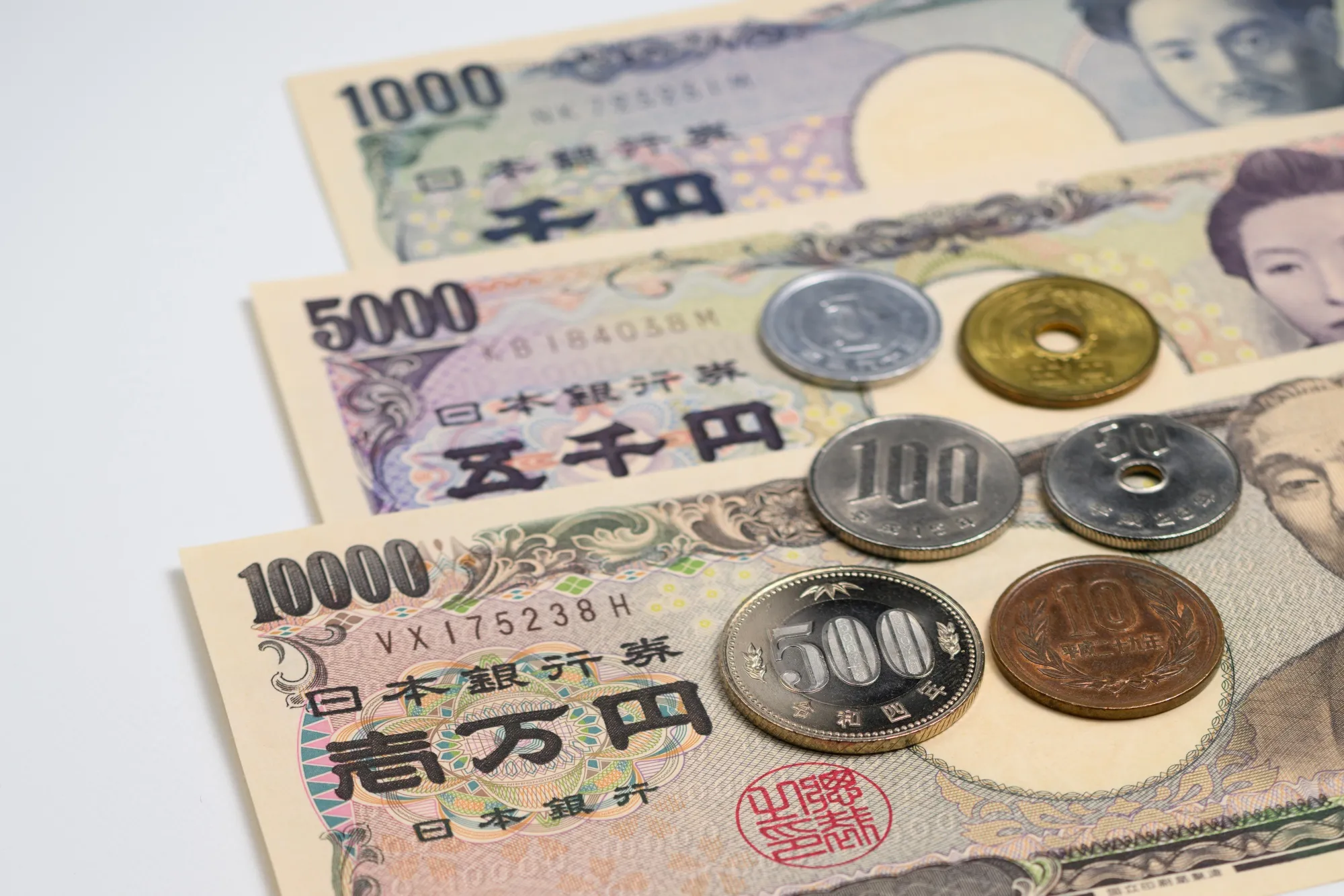
Tokyo’s financial district is on high alert. The Bank of Japan (BOJ) recently executed a massive intervention to rescue the yen from a 40-year low, yet market analysts warn that the victory may be short-lived.
A new threat is emerging from the global energy markets: surging oil prices. For a nation that imports nearly all of its energy, the combination of a weak currency and expensive crude is a recipe for an inflationary spiral that could derail the world’s fourth-largest economy.
The yen has been under sustained pressure. Japan’s reliance on fossil fuel imports makes its economy uniquely vulnerable to the "petrodollar" squeeze. When oil is priced in dollars and the yen is weak, the cost of everything from electricity to transportation skyrockets.
This "imported inflation" is already beginning to eat into corporate profits and household savings, leading to a decline in domestic consumption—the traditional engine of Japanese growth.
Yen exchange rate hitting a 40-year low: 160 JPY to 1 USD.
Estimated BOJ intervention spend in April/May 2026: $60 billion (KES 7.8 trillion).
Percentage of Japan’s total energy needs met by imports: 94%.
Projected increase in Japanese consumer prices if oil stays above $95/barrel: 3.2%.
Structural Vulnerabilities and Policy Shifts
The Bank of Japan’s decision to move toward normalization is a double-edged sword. While raising interest rates could support the yen, it also increases the cost of servicing Japan’s massive public debt.
Governor Kazuo Ueda faces a "regulatory tightrope": move too fast and risk a recession; move too slow and watch the currency collapse.
The recent intervention was described by one market strategist as a "Band-Aid on a bullet wound," providing temporary relief without addressing the underlying structural issues.
Furthermore, the global shift toward green energy is not happening fast enough to insulate Japan from current market volatility. While the nation has invested heavily in nuclear restarts and offshore wind, these projects take years to come online.
In the interim, Japan remains at the mercy of OPEC+ production decisions and the geopolitical tensions in the Middle East that drive price fluctuations.
As the sun sets over the Ginza district, the mood among traders remains cautious. The BOJ may have won the first battle, but the war for the yen’s stability is far from over. If oil prices continue their upward trajectory, the "Band-Aid" will be ripped off, forcing Tokyo into even more drastic measures.
For the global economy, a crisis in the yen would trigger a massive repatriation of Japanese capital, potentially destabilizing bond markets from Washington to London. The world is watching the yen, but it is the oil markets that may decide its fate.