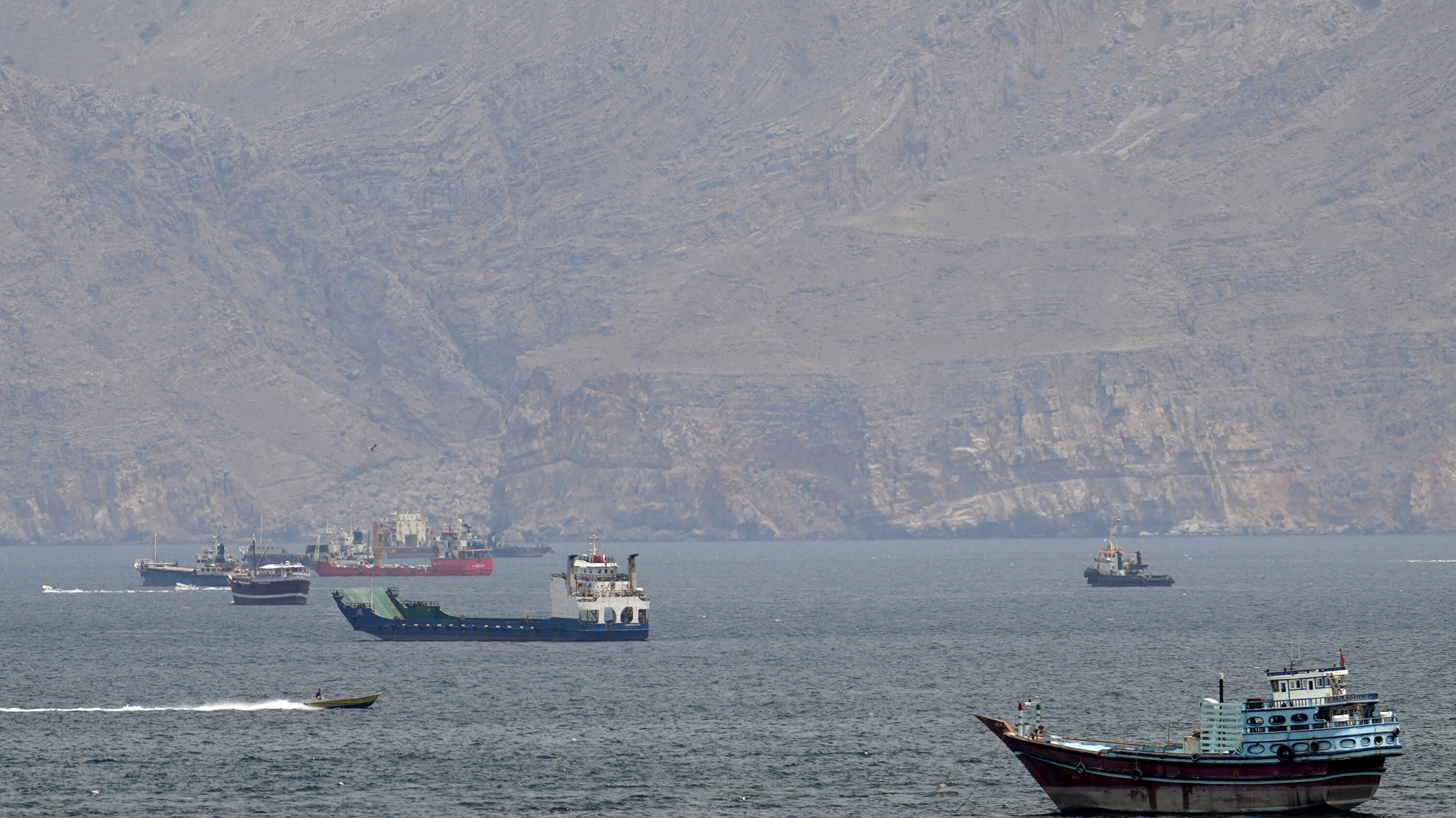
The United States is now asking the U.N. Security Council to take up a Bahrain-backed draft resolution on the Strait of Hormuz, after months of direct unconstitutional military pressure against Iran failed to bring calm to the waterway.
The draft would let the council punish Tehran with sanctions and could leave room for force if Iran does not stop threats or attacks tied to commercial shipping.
Security Council members are due to begin talks on Tuesday. The timing is not random. On Monday, the U.S. said it destroyed six Iranian small boats, while Iranian missiles hit an oil port in the United Arab Emirates. The clash put new pressure on a four-week truce that is still standing, even as both sides keep testing the line around Hormuz.
The draft comes after Washington spent recent months acting mostly outside the U.N. process. The Trump administration carried out strikes on Iran without Security Council approval and pressed allies to join temporary naval patrols around Hormuz.
U.S. President Donald Trump also criticized countries that did not fully support U.S.-led maritime operations. That pressure did not solve the problem. Ships were still stuck, insurance risk stayed high, and the Strait remained caught between rival military pressure.
Monday’s clash followed the launch of Project Freedom, a U.S.-led effort to push stranded tankers and other vessels through Hormuz. Washington is now pairing that operation with a U.N. text that gives the whole campaign a more formal diplomatic track. The aim is to increase pressure on Iran while preparing for what the region could look like if the fighting stops.
The Strait of Hormuz matters because it is one of the world’s most important routes for oil and trade. Any trouble there can hit crude prices, freight costs, inflation expectations, the dollar, and risk assets.
This is not Bahrain’s first try. An earlier Bahraini resolution backed by the U.S. failed after Russia and China blocked it. That version looked more direct in giving political cover to U.S. military action against Iran.
The new text does not plainly say the council is authorizing force. But it still sits under Chapter VII of the U.N. Charter, the part that allows the Security Council to approve steps that can range from sanctions to military action.
The U.N. effort is running beside talks on the MFC. That U.S.-led body would work separately from a Franco-British maritime mission involving about 30 countries. The Franco-British plan is focused on safe passage through the Strait once the crisis calms or ends, with Iranian coordination included in the framework.
Some governments have made clear they want a U.N. mandate before sending military assets. An informal diplomatic paper sent to governments said:
“The MFC is complementary to other maritime security task forces, including the maritime planning effort the UK and France are leading. The MFC will remain structurally independent, though close coordination is essential.”
U.S. Defense Secretary Pete Hegseth spoke at the Pentagon after the latest developments. Asked whether Iran’s small boat fleet is a real threat or just a nuisance, Pete said it must be taken seriously. He said the U.S. strategy on Iran is “laser focused” and that Washington is not letting itself get distracted.