The strongest currencies in Africa are the ones with the highest value relative to others. In simple terms, it means that one unit of that currency can buy more US dollars than other currencies. A high nominal value doesn’t automatically mean a stronger economy, but it does reflect exchange rate policy, reserves, inflation control, and export performance. Based on May, 17, 2026 data, here are Africa’s top 10 strongest currencies:
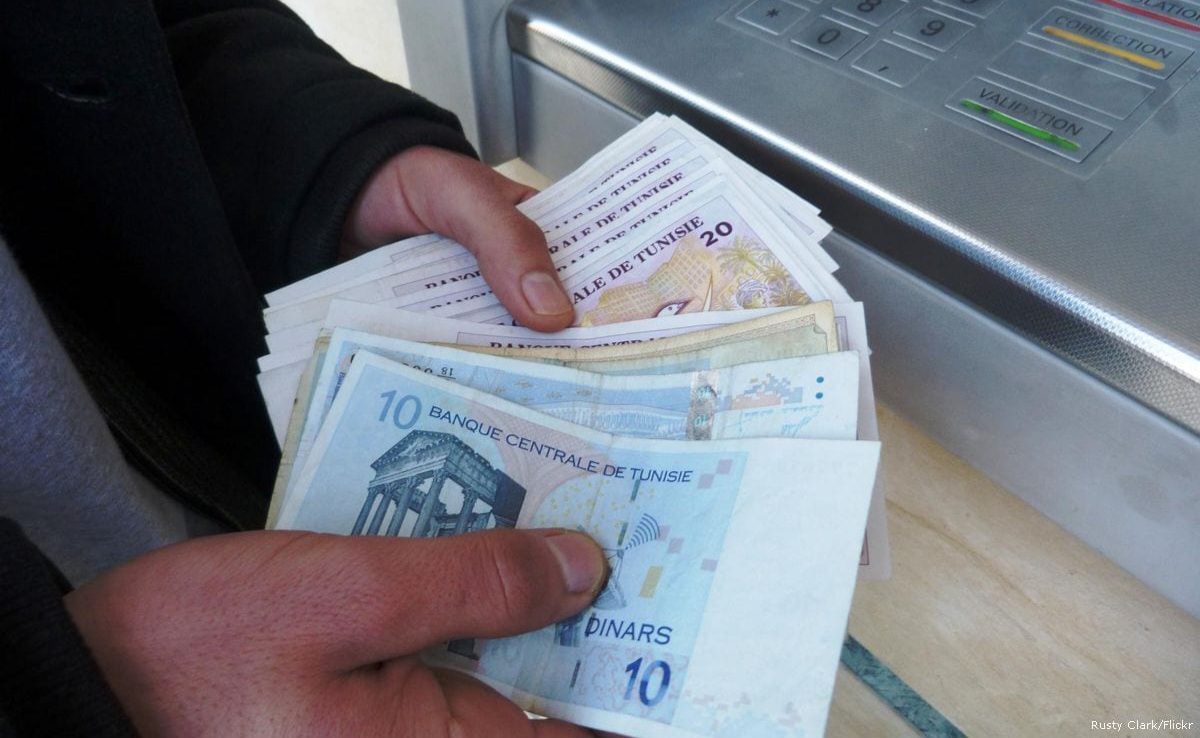
Tunisian Dinar
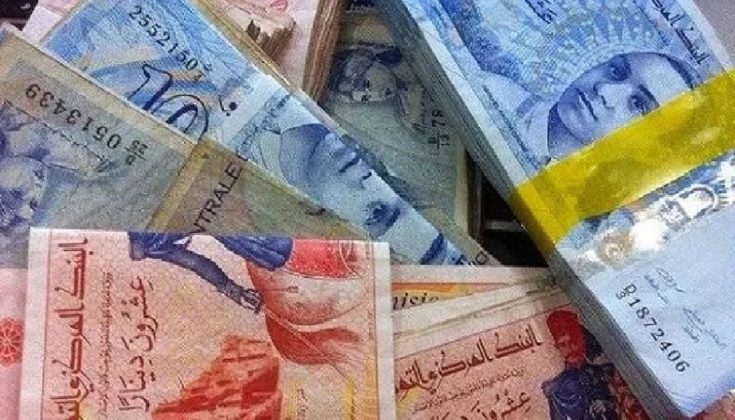
The Tunisian dinar holds the top spot in Africa. Tunisia’s relatively diversified economy, controlled inflation, and managed exchange rate regime help it maintain value. 1 USD buys about 2.93 TND, making it the most valuable African currency unit-for-unit. 1 TND = 0.34100 USD.
Libyan Dinar
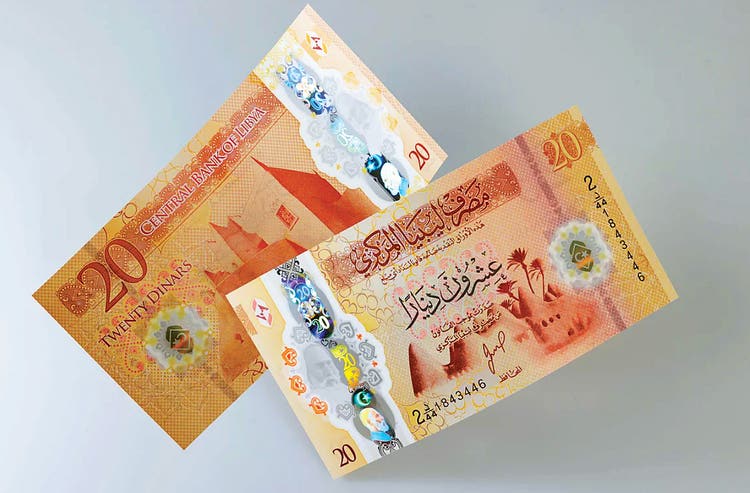
Libya’s dinar ranks second despite political instability. The currency is supported by the country’s oil reserves and a fixed exchange rate system managed by the Central Bank of Libya.
1 LYD = $0.1578.
1 USD = 6.33 LYD.
Moroccan Dirham
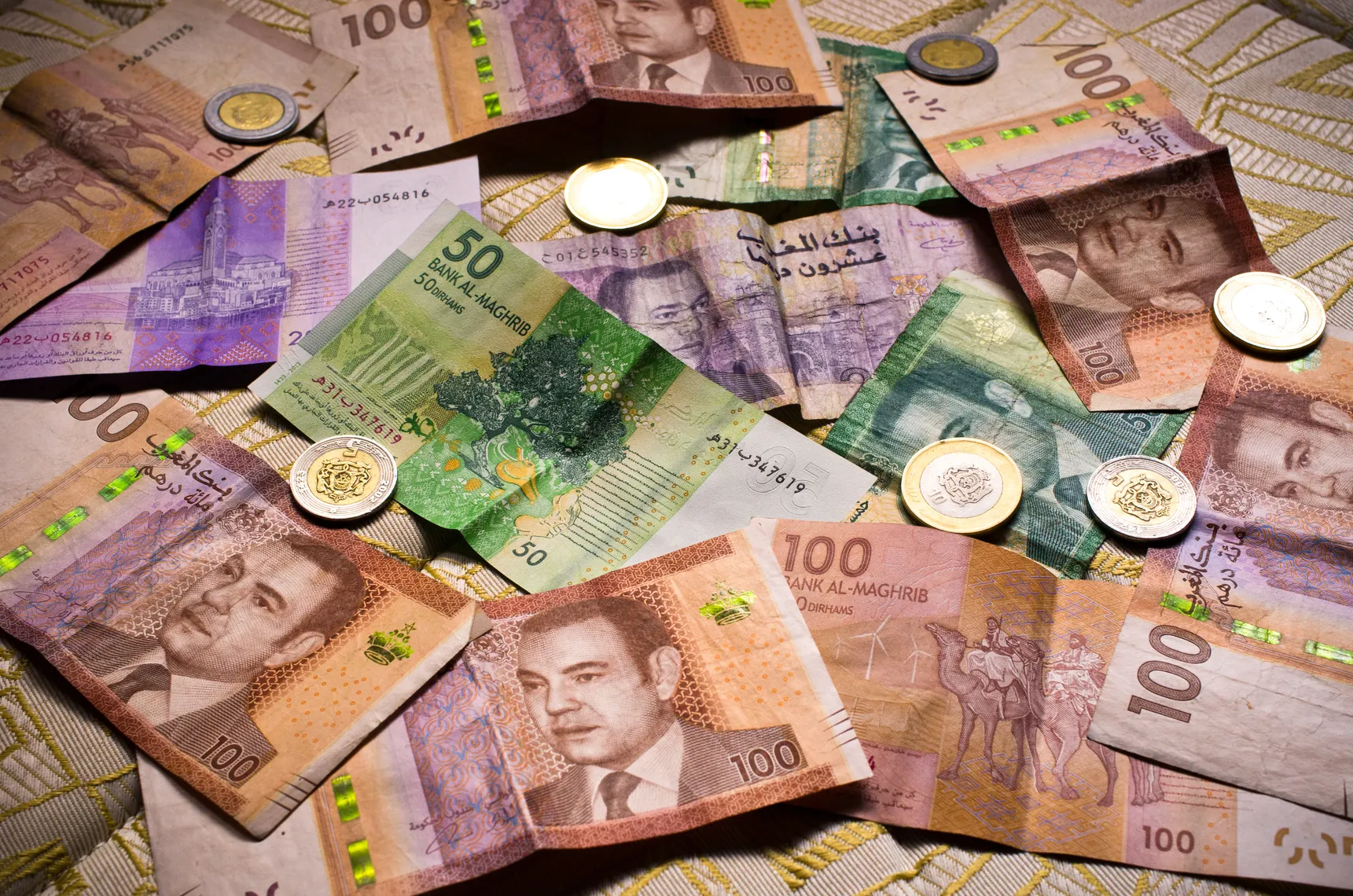
Morocco’s dirham is backed by a stable macro environment, strong tourism, agriculture, and phosphate exports. The central bank manages it within a band against a basket of currencies, keeping it resilient.
1 MAD = $0.1093.
1 USD = 9.22 MAD.
Ghanaian Cedi
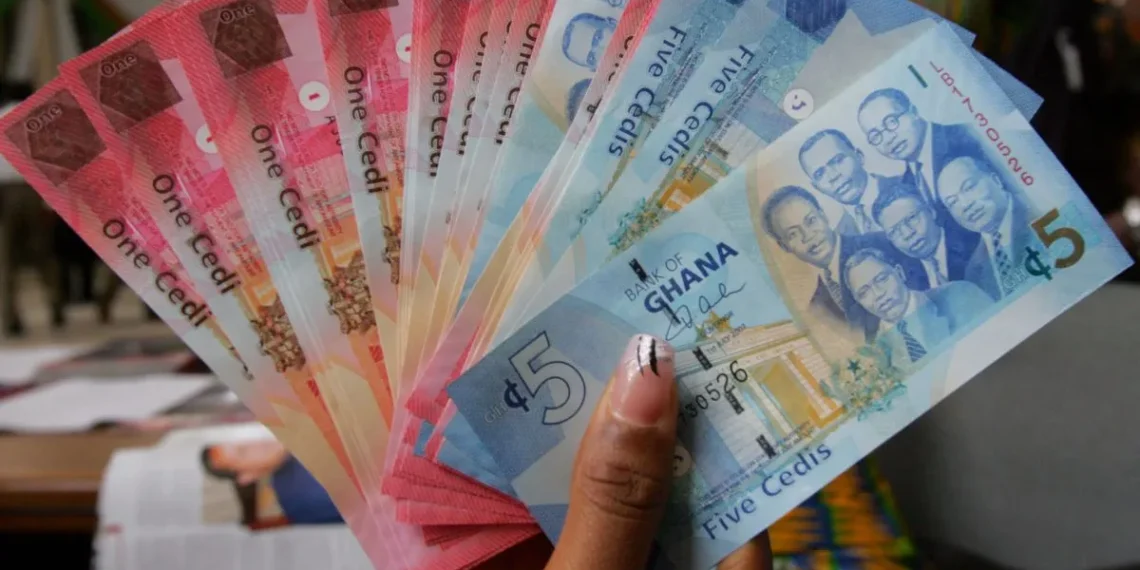
Ghana’s cedi ranks fourth, supported by gold, cocoa, and oil exports. After a volatile 2024-2025, tighter monetary policy and IMF program progress have helped stabilize it.
1 GHS = $0.0888.
1 USD = 11.20 GHS.
Botswana Pula
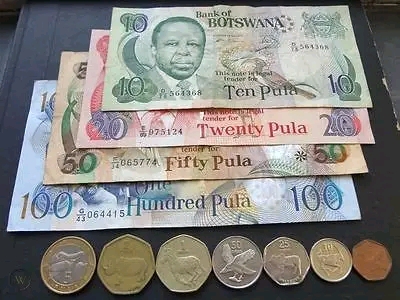
The pula is one of Africa’s most stable currencies, underpinned by diamond exports, low debt, and a current account surplus. It’s pegged to a basket of currencies, which smooths volatility.
1 BWP = $0.0737.
1 USD = 13.56 BWP.
Seychellois Rupee
Seychelles’ rupee benefits from a tourism-driven economy and a flexible exchange rate regime. The central bank intervenes to prevent excessive volatility, keeping the currency stable.
1 SCR = $0.0685.
1 USD = 13.82 SCR.
Eritrean Nakfa
Eritrea maintains a fixed exchange rate, so the nakfa hasn’t moved. It’s pegged at 15 ERN per USD, giving it a high nominal value but limited convertibility. 1 ERN = $0.0667.
South African Rand
Africa’s most traded currency, the rand is volatile but backed by deep financial markets and a diversified economy. It also anchors the Common Monetary Area.
1 ZAR = $0.0610.
1 USD = 16.52 ZAR.
Swazi Lilangeni
Eswatini’s lilangeni is pegged 1:1 to the South African rand, so it moves in lockstep. The peg provides stability but ties monetary policy to Pretoria. 1 SZL = $0.0610
Namibian Dollar
Namibia’s dollar is also pegged 1:1 to the rand under the Common Monetary Area agreement. The peg ensures stability, though it limits independent monetary policy. 1 NAD = $0.0610
Why these currencies lead
North Africa dominates the top: Tunisia, Libya, and Morocco benefit from managed exchange rates, tourism, and commodity exports. Their central banks actively manage the exchange rate to avoid sharp swings.
Southern Africa’s peg system: South Africa, Namibia, Eswatini, and Lesotho share the rand or a 1:1 peg. This gives them stability through South Africa’s deep financial markets and reserves.
Commodity backing: Botswana’s pula is tied to diamonds, Ghana’s cedi to gold and cocoa, and Seychelles’ rupee to tourism. Strong export earnings support the exchange rate.
Fixed regimes: Eritrea and Libya maintain fixed rates, which keeps the nominal value high but doesn’t reflect market trading conditions.
What “strong” doesn’t mean
A high nominal value doesn’t equal economic power. The West African CFA Franc and Central African CFA Franc trade at 0.0018 per USD, but they’re backed by France’s treasury and are among the most stable currencies in Africa. Stability, inflation control, and convertibility matter more than the number on the exchange rate board.
Conclusion
The strongest currencies in Africa in May 2026 highlight how several nations across the continent have strengthened their economies through improved stability and effective financial management, standing in contrast to some of the weakest currencies in africa that continue to face inflationary and structural challenges. From the Tunisian Dinar to the South African Rand, these currencies represent a balance of export-driven growth and sound monetary policies.