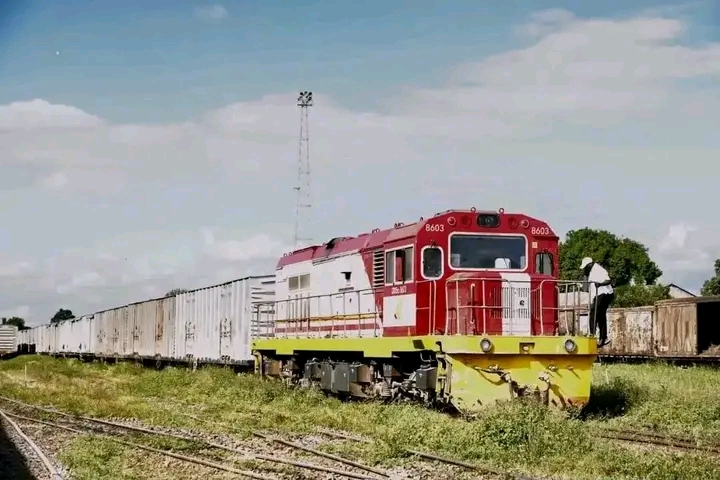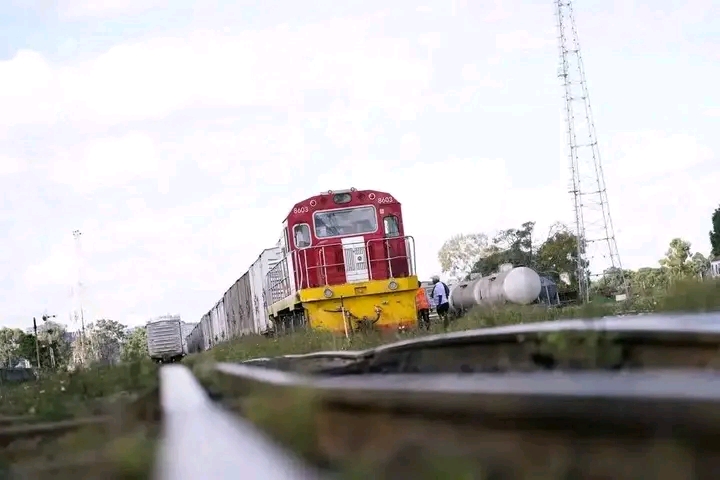
NAIROBI, June 2, 2026 — Kenya Railways resumed passenger and freight operations on the Gilgil–Ol Kalou–Nyandarua railway line on Tuesday, marking the first trains on the route in 46 years. The revival reconnects Laikipia and Nyandarua counties to Nairobi and is expected to cut transport costs for farmers while opening up tourism and regional trade.
The line will run twice-weekly passenger services. Trains depart Nairobi for Nyahururu every Tuesday and Friday, with return trips on Wednesday and Sunday. KR says the schedule was designed around market days and commuter needs in the agriculturally rich highlands.
Fares Target Cost-Sensitive Travelers
Direct Economy Class tickets from Nairobi to Nyahururu are priced at KES 600, with First Class at KES 1,300. Passengers alighting at Ol Kalou will pay KES 550 for Economy and KES 1,160 for First Class. Gilgil stops cost KES 450 for Economy and KES 960 for First Class.
For communities that have relied on matatus and trucks on rough roads, the rail option offers a cheaper, safer, and more predictable alternative. KR says the pricing was set to encourage adoption while covering operational costs on the rehabilitated meter gauge line.
Freight Returns on Madaraka Day
Freight operations restarted on Madaraka Day with a symbolic consignment: 396 tonnes of government-subsidized fertilizer moved from Athi River Railway Station to NCPB depots in Ol Kalou and Nyahururu. The cargo filled 11 meter gauge wagons and was delivered to Nyandarua and Laikipia, counties known for potatoes, carrots, cabbage, peas, wheat, and dairy.
Moving fertilizer by rail reduces road congestion and lowers input costs for farmers. KR said the successful run proves the line can handle bulk agricultural inputs efficiently after nearly five decades of inactivity.
Private Sector Interest Grows
KR reports strong interest from companies looking to shift cargo from road to rail. Potential and existing customers include OCP Kenya for fertilizer, Bamburi Cement for cement products, New KCC for dairy logistics, and Autoports Freight Terminals for general freight.
Other opportunities sit in construction materials like sand and building stones, plus livestock and agricultural produce moving to Nairobi and export markets. For agribusiness firms, the line offers direct access to major production zones without relying solely on the A2 highway.
Economic and Regional Impact
Beyond cheaper transport, the revival is expected to support three areas:
1. Agriculture: Faster, cheaper movement of inputs and produce should improve farm margins in Nyandarua and Laikipia. Post-harvest losses could fall if trains reduce transit time and spoilage.
2. Tourism: Nyahururu’s Thomson Falls, Aberdare National Park, and Laikipia ranches become more accessible for domestic travelers. A twice-weekly train gives tourists a scenic, low-cost option from Nairobi.
3. Regional integration: The line reconnects communities split by poor roads and high fares. It also feeds into the broader meter gauge network, supporting KR’s strategy to revive dormant branches and decongest highways.
KR framed the project as part of a wider effort to make rail central to Kenya’s logistics mix again.