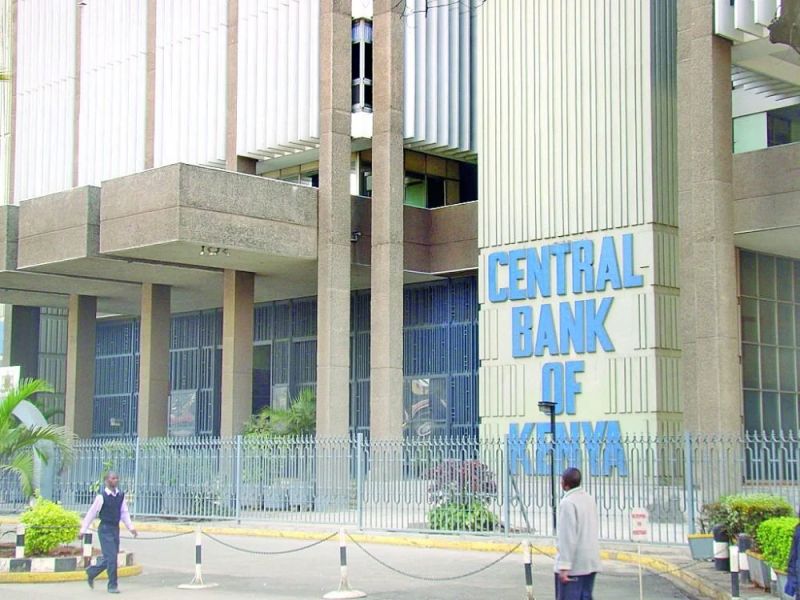
NAIROBI, June 12, 2026 — Kenya’s struggling commercial banks have been handed an extra three years to raise their minimum core capital to Sh10 billion, easing immediate pressure on 23 small lenders that remain below the new threshold and giving them room to avoid forced downgrades or rushed capital raises.
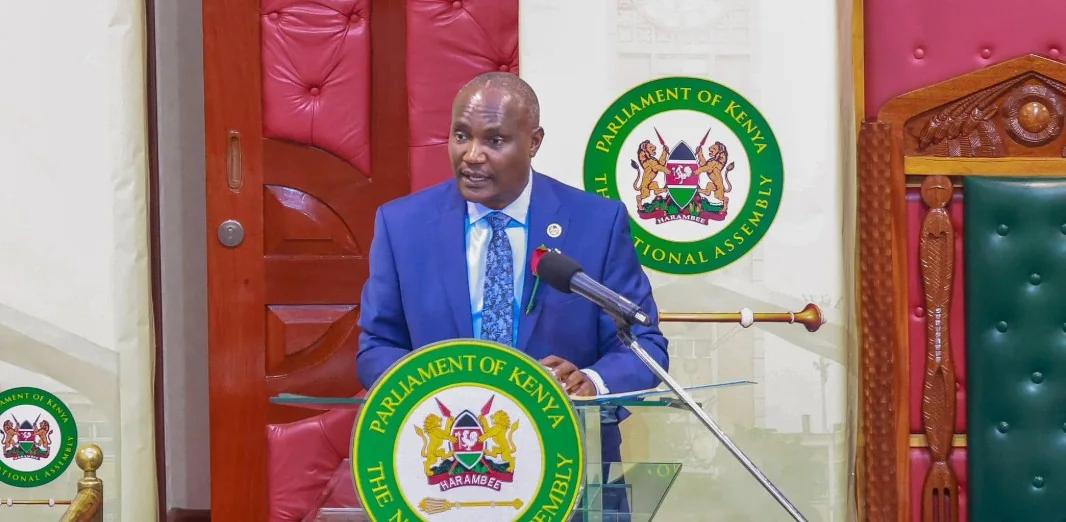
Treasury Cabinet Secretary John Mbadi said during the Budget Statement that he will propose amendments to the Business Laws Amendment Act 2024 to push the compliance deadline from 2029 to December 31, 2032. The changes will also scrap the annual capital raising milestones that had been set for the next four years, removing a timeline that many smaller banks said was unrealistic given tight liquidity and weak investor appetite.
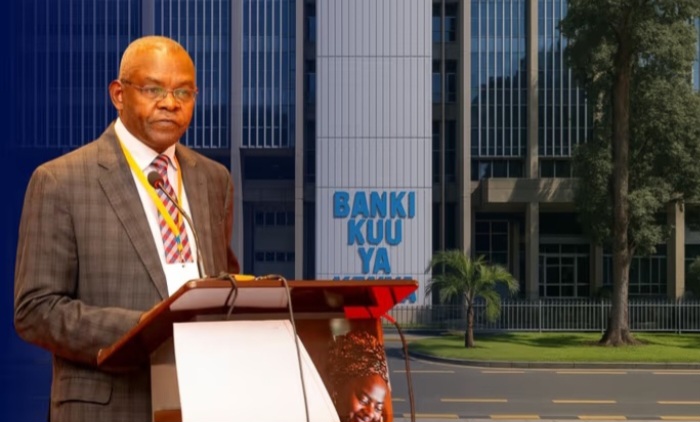
The decision came just a day after Central Bank of Kenya Governor Kamau Thugge publicly said the deadlines would not be extended, signaling a policy shift at Treasury level. Under the current framework, banks that fail to meet the capital requirement risk being downgraded to microfinance institutions until they comply, a move that would strip them of their commercial banking licences and limit the products they can offer.
Mbadi said the extension would give banks flexibility to pursue “measured, commercially sound, and market-sensitive capital-raising strategies” while preserving shareholder value and investor confidence. The aim, he added, is to avoid destabilizing institutions or triggering fire sales of assets as lenders scramble to meet regulatory targets. By removing yearly milestones, banks will not have to show incremental progress each year and can instead time raises around market conditions, rights issues, or entry of strategic investors.
The higher capital requirement is part of a wider plan to strengthen stability in the banking sector. Last year, the minimum core capital was raised from Sh1 billion to Sh3 billion as the first step. The end goal of Sh10 billion is meant to ensure banks have stronger buffers against shocks, can lend more to the economy, and reduce the number of fragile institutions. CBK has argued that better-capitalized banks are less likely to fail and more able to invest in technology, risk management, and cybersecurity.
At the start of last year, 24 banks were below the Sh10 billion mark, and 12 had less than Sh3 billion. Four lenders, Access Bank, Consolidated Bank of Kenya, Credit Bank, and Development Bank of Kenya, were unable to meet the initial Sh3 billion threshold. Eight others were pursuing capital raising through rights issues and injections from international parent owners. The CBK has been engaging all banks below Sh5 billion on how they plan to meet the requirement, asking for board-approved capital plans and timelines.
The new 2032 deadline effectively gives the 23 lenders that are still below Sh10 billion an additional seven years from now to comply, rather than the four they had under the 2029 cutoff. For many, that changes the math. Raising capital in the current environment has been difficult. High interest rates have pushed up the cost of funding, while subdued earnings in some banks have made it harder to justify valuations to new investors. Local institutional investors are cautious, and foreign strategic buyers are weighing political and currency risk. Without the extension, several banks faced the prospect of dilutive raises at low valuations, mergers at unfavorable terms, or surrendering their commercial licences.
The move is expected to calm nerves among shareholders and depositors. A forced downgrade to microfinance status would have been disruptive, limiting deposit mobilization and loan products. It could also have triggered confidence issues, as customers question whether their bank will survive as a full commercial lender. By pushing the deadline out, Treasury is betting that banks will have time to improve profitability, attract capital on better terms, and possibly benefit from a more favorable macro environment later in the decade.
Not everyone agrees with the delay. CBK Governor Thugge’s comments a day earlier reflected the regulator’s view that extended timelines reduce urgency and delay the cleanup of weak institutions. The central bank has been pushing for consolidation, arguing that Kenya is overbanked with 39 commercial banks serving a market that may not need that many players. Higher capital rules were one way to force mergers and create stronger, more efficient lenders. Treasury’s extension slows that process and keeps more small banks in the system for longer.
For the banks involved, the next steps will vary. Subsidiaries of foreign banks may lean on parent companies for capital injections, as some are already doing. Locally owned tier-three lenders will likely look at rights issues, private placements, or bringing in new strategic investors. Others may still opt for mergers, but with less pressure they can negotiate from a stronger position. Consolidated Bank of Kenya, which is state-owned, has been the subject of privatization talks for years. The extension could give government more time to find a buyer without being forced into a distressed sale.
CBK will continue monitoring banks below Sh5 billion and requiring credible capital plans, even without annual legal milestones. The regulator still has tools to intervene if an institution’s capital position deteriorates or if governance and risk management are weak. The Treasury amendment does not remove CBK’s supervisory powers, only the hard annual deadlines in law.