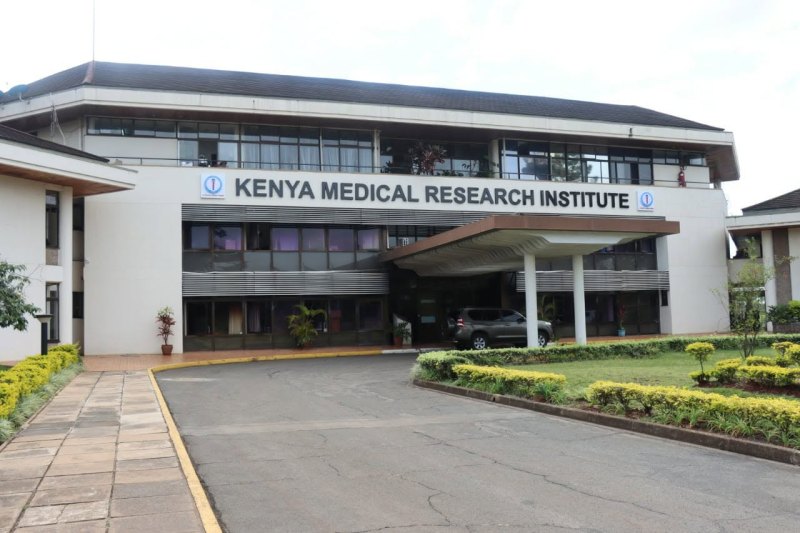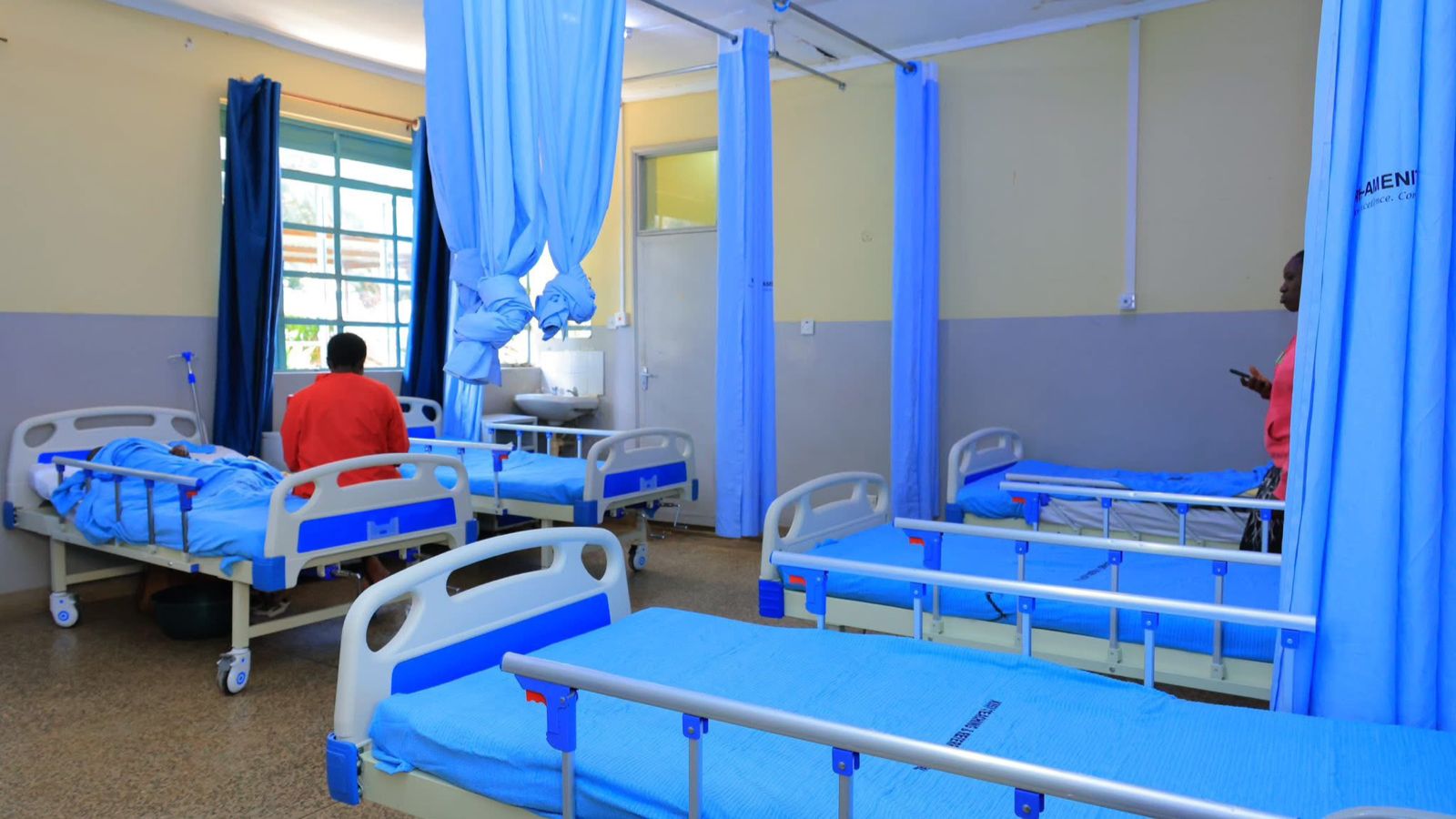
The Kenya Medical Research Institute (KEMRI) has denied social media claims that it is recruiting 200 volunteers to be deliberately infected with malaria for Ksh48,000, calling the posts misleading and inaccurate.
The claims spread widely after a post alleged that KEMRI was seeking participants for a malaria study requiring a 24-day hospital stay, with daily payments of Ksh2,000. The viral message implied volunteers would be intentionally exposed to the disease in exchange for money.
In a statement on Wednesday, June 17, KEMRI moved to shut down the allegations and urged the public to verify information through its official channels before sharing.
"KEMRI wishes to clarify that claims circulating on social media alleging that the Institute is recruiting volunteers to be deliberately infected with malaria for payment are misleading and inaccurate," the agency said.
The institute stressed that all research involving human participants follows strict ethical and regulatory rules.
"All KEMRI research involving human participants is conducted under strict ethical and regulatory oversight, with participant safety and informed consent as core requirements," the agency added.
While KEMRI did not confirm or deny the existence of any malaria-related study, it made clear that the details circulating online do not reflect its approved protocols.
Human challenge trials, where volunteers are intentionally exposed to pathogens, do occur globally in controlled settings and with regulatory approval, but such studies require extensive ethics review, insurance, medical monitoring, and fully informed consent. They are not advertised as quick cash opportunities on social media.
The agency warned that misinformation around medical research can undermine public trust and put people at risk. Fake recruitment posts often target vulnerable groups with promises of payment, and can lead to scams or encourage unsafe behavior. KEMRI asked Kenyans to rely on its verified platforms for updates on research programs.
"We encourage the public to rely on KEMRI’s official communication channels for accurate information and to verify content before sharing," the agency said.
The incident highlights a recurring problem for health institutions in Kenya. Similar false claims have circulated in recent years about paid trials for HIV, COVID-19, and other diseases. Health officials say such rumors spread quickly on WhatsApp, Facebook, and TikTok, often outpacing corrections from authorities.
KEMRI is a state corporation mandated to carry out health research in Kenya. Its studies range from malaria and tuberculosis to emerging diseases. Kenya has been a global focal point for landmark malaria experiments and clinical trials, primarily led by KEMRI and international partners.
Malaria remains a major public health concern in Kenya, with about 70% of the population at risk and millions of clinical cases reported annually.
The Kenya Malaria Strategy 2023-2027 establishes a strategic framework for the delivery of malaria control and elimination interventions, along with a monitoring and evaluation performance framework.