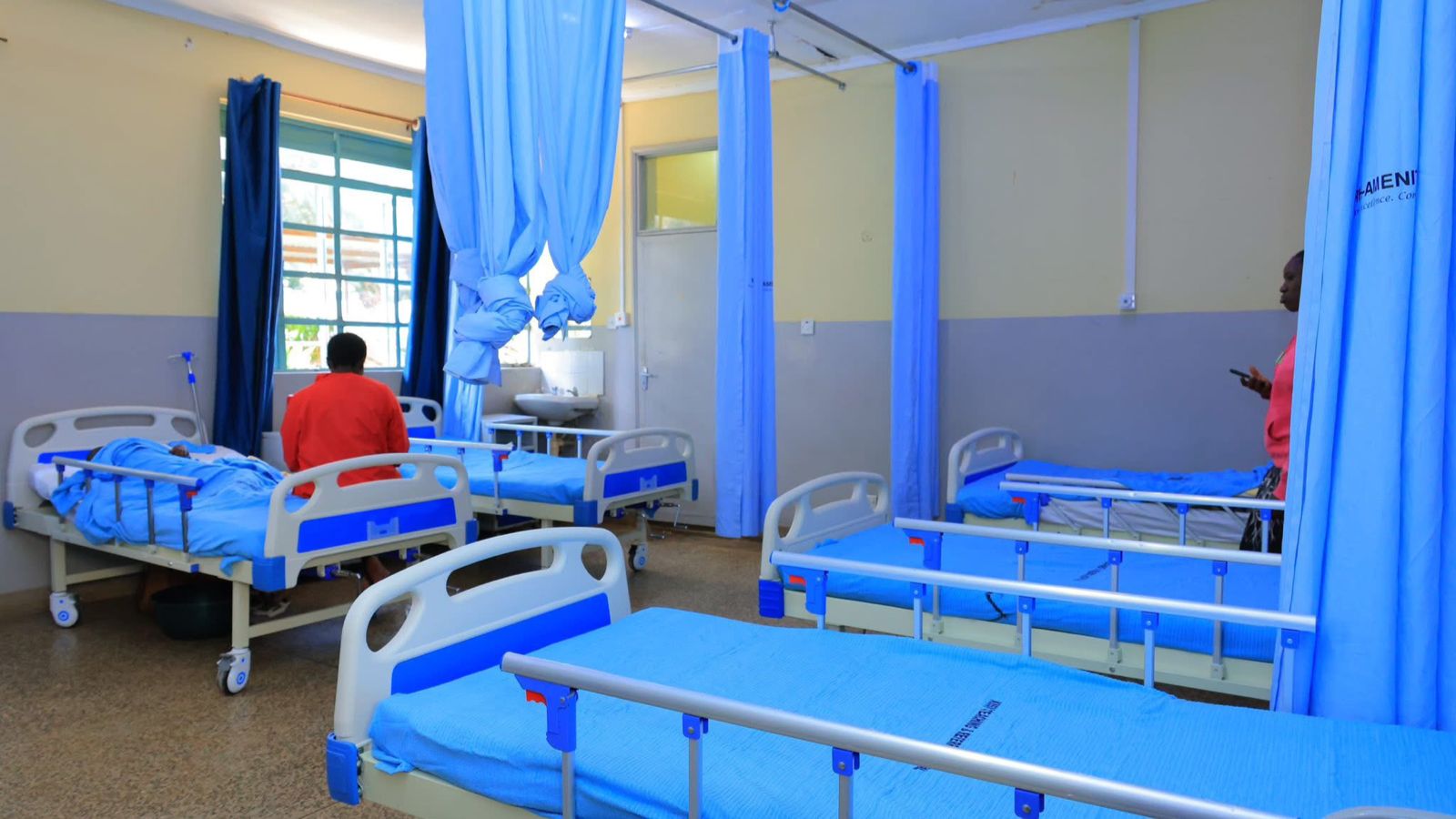


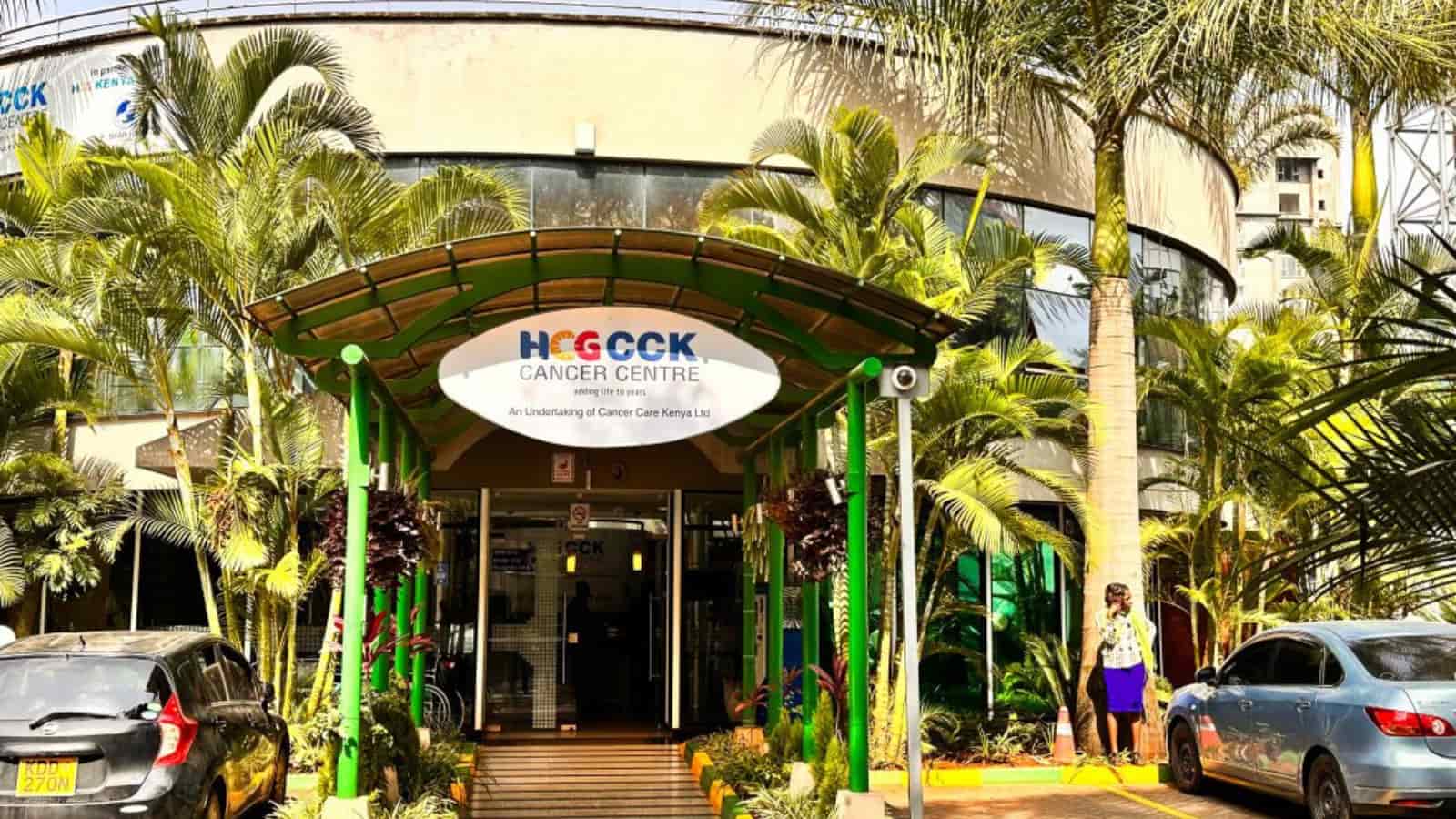
Cancer Care Kenya, the operator of Nairobi’s HCG Cancer Centre, grew its turnover by 71% to KSh1.01 billion for the year ending March 31, 2026, buoyed by a rise in patient visits and expanding uptake of oncology services.
Parent firm HealthCare Global Enterprises Ltd reported that its Kenyan subsidiary brought in roughly KSh1.01 billion in 2026, compared with KSh593 million in the prior year.
The Nairobi unit accounted for about 5% of HCG Group’s overall revenue during the period, based on the company’s regional results.
The business sustained robust performance in the last three months of the fiscal year. Revenue for the quarter climbed 39% to KSh269 million, up from KSh193 million in the same period a year earlier.
Management credited the gains to stronger day-to-day operations, higher patient footfall, and an expanded range of cancer therapies available at the centre.
Cancer Care Kenya provides end-to-end oncology care, covering diagnostics, chemotherapy, radiotherapy, and other specialized cancer interventions.
The revenue increase points to both more people seeking treatment and greater use of advanced procedures as awareness and access improve across the country.
Cancer Care Kenya operates the HCG CCK Cancer Centre in Nairobi in partnership with Indian oncology provider HealthCare Global Enterprises, which has been increasing its investment in the Kenyan business.
HealthCare Global announced plans to raise its stake in Cancer Care Kenya to more than 90% following an additional investment of about KSh100 million.
The expansion comes as the government works to strengthen regional cancer treatment capacity.
Treasury Allocates Ksh 3Bn For Cancer Emergencies
National Treasury proposed Sh3 billion for emergency cancer care in the 2026/27 financial year. The allocation signals a more targeted push to decentralize oncology services and ease pressure on the country’s few referral hospitals.
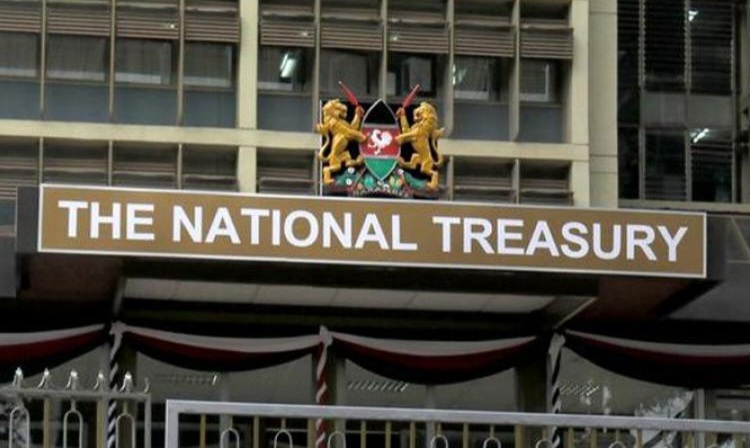
Presenting the budget proposal, Treasury CS John Mbadi said the government outlined plans to build a new cancer centre in Kisii, with Sh1 billion set aside for construction.
The facility is intended to bring diagnosis and treatment closer to patients in western Kenya, cutting the long distances many currently travel for radiotherapy and chemotherapy.
Kenyatta National Hospital will receive Sh300 million to strengthen its existing cancer services. An additional Sh150 million has been earmarked for advancing comprehensive cancer care countrywide, covering diagnostics, treatment capacity and patient support systems.
The Sh3 billion package marks a modest but more focused increase compared to 2025/26, when an estimated Sh2.2 billion went to cancer control and non-communicable disease interventions.
That funding was spread across screening programs, general NCD management and limited oncology support, with less emphasis on building dedicated infrastructure.
This year’s proposal shifts toward structured investment in facilities and specialized treatment. The move comes as hospitals report a steady rise in cancer cases, with many patients diagnosed late when care is more complex and expensive.
Services remain concentrated in a few national referral centers, forcing patients from across the country to seek treatment in Nairobi, Eldoret or Kiambu.
Kenya has only a handful of fully specialized public cancer centers.
Kenyatta National Hospital in Nairobi, Moi Teaching and Referral Hospital in Eldoret, and Kenyatta University Teaching, Referral and Research Hospital are the main comprehensive facilities.
Coast General Teaching and Referral Hospital in Mombasa, along with select regional and private hospitals, offer screening, diagnosis and limited treatment but not the full range of oncology care.
The shortage of centers means overcrowding, long wait times and uneven distribution of services.
Health stakeholders also cite late diagnosis due to low screening uptake, a shortage of oncologists and specialized staff, and high treatment costs that strain families.
The funding boost comes as questions linger over medical supply management. Recent findings at the Kenya Medical Supplies Authority show that life-saving medicines and oncology drugs worth about Sh1 billion expired in warehouse storage.
Cancer treatment medicines made up several million shillings of the expired stock, even as public hospitals reported shortages and treatment interruptions.
The situation has sparked concern over procurement planning, distribution and inventory control in the national supply system.
Health stakeholders warn that the mismatch between patient demand and expired stock adds pressure to an already strained system, where delayed treatment and limited access to specialized medicines remain common.
Cancer remains one of the leading causes of death in Kenya, with the country recording an estimated 45,000 new cases annually and approximately 29,000 cancer-related deaths each year, according to the Ministry of Health.