Kenya is forfeiting more than $4 billion, about Sh517.04 billion, annually on fossil fuel imports even as nearly 90 per cent of its electricity comes from renewable sources, according to a new report.
The report titled Beyond Fossil Fuels: Visions for Economic Diversification in Kenya notes that although fossil fuels make up less than 25 per cent of total energy consumption, they remain the country’s single largest import expense.
Analysts caution that the continued reliance on imported fuel is dragging down economic growth, leaving the country vulnerable to volatile global oil prices and straining public finances.
“Kenya leads the way in renewable electricity generation, yet fossil fuels cost its economy billions every year. Although national climate policies have brought some progress in reducing emissions, true progress demands phasing out fossil fuel subsidies, investments and infrastructure,” the report states.
Researchers attribute the persistent dependence to a mix of economic, social and political factors. Subsidies keep fuel prices low and accessible, while the steep initial costs of clean energy technologies and infrastructure slow the shift to renewables.
Data in the report shows that between 2021 and 2024, Kenya spent Sh169 billion on fuel stabilisation programmes to shield consumers from high fuel prices. The funds, researchers argue, could have been redirected to other development needs.
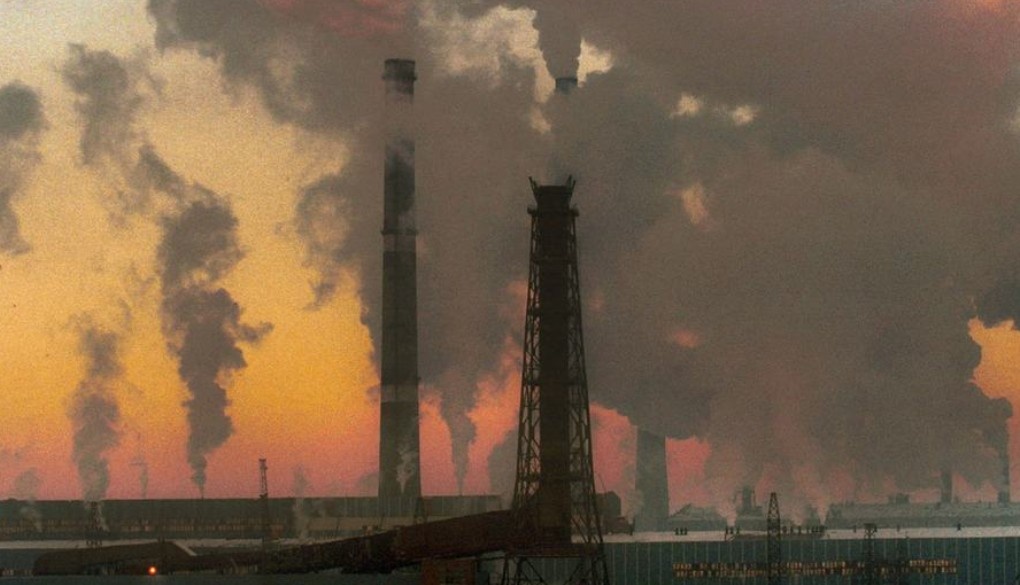
The report also flags heavy health, environmental and economic consequences. These include air pollution, water contamination, ecosystem damage, and climate shocks like droughts and floods, which it estimates cost Kenya roughly 2.8 per cent of GDP each year.
It further warns that continued investment in fossil fuel infrastructure risks creating stranded assets and could push the country toward unsustainable foreign debt.
“It could also open the door to 'debt trap diplomacy', where unsustainable loans from foreign lenders undermine the nation’s sovereignty and economic stability,” the report reads.
On the positive side, researchers highlighted gains in clean energy. Flagship projects such as the Olkaria Geothermal Plant, Lake Turkana Wind Power Project and the Last Mile Connectivity Programme have helped lift electricity access from 13 per cent in 2013 to 75 per cent by 2022.
Kenya has also updated its climate pledges, targeting a 35 per cent cut in greenhouse gas emissions by 2035 and net-zero emissions by 2050.
Despite this progress, the report cites gaps including no clear roadmap to end fossil fuel investments, poor cross-sector coordination, and heavy reliance on external financing.
Going forward, researchers say Kenya’s growth prospects lie in scaling renewable energy, sustainable transport, climate-smart agriculture, green manufacturing and the digital economy, rather than in fossil fuel extraction.
They are urging government to set clear deadlines for phasing out fossil fuel subsidies, investments and infrastructure, and to channel more resources into renewables, energy efficiency, electric mobility, climate-smart farming, green industry and digital innovation.
The report also recommends debt reforms such as cutting commercial borrowing, conducting transparent debt audits, strengthening public finance systems, raising awareness of green investment incentives, and putting in place carbon market rules that ensure communities benefit equitably.
Financial institutions and the private sector have been called on to offer grants, concessional loans and technical support, scale up green sector investments, and partner with government and academia to develop technologies for industrial decarbonisation.
Civil society groups were encouraged to champion just transition plans for communities reliant on fossil fuels and to push for climate finance from countries and corporations most responsible for emissions.