The US Strategic Petroleum Reserve has fallen to its lowest level since 1983, leaving Washington with its smallest emergency oil buffer in 40 years at a time when renewed tensions with Iran are pushing global crude prices higher again.
According to the latest data from the US Department of Energy, SPR inventories dropped by 6.2 million barrels last week to 319.5 million barrels.
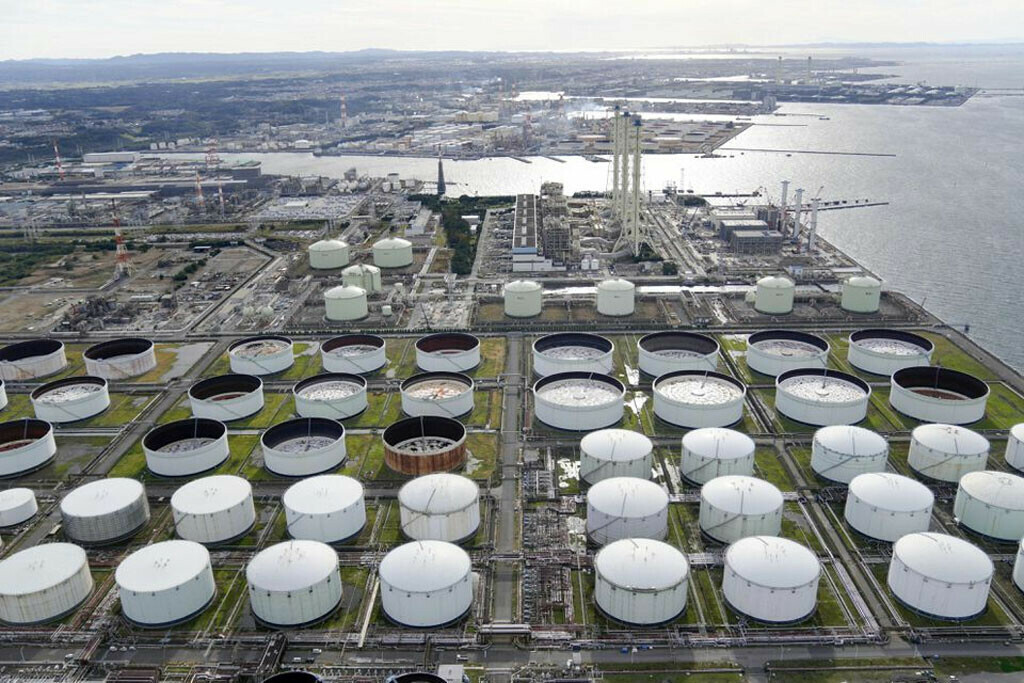
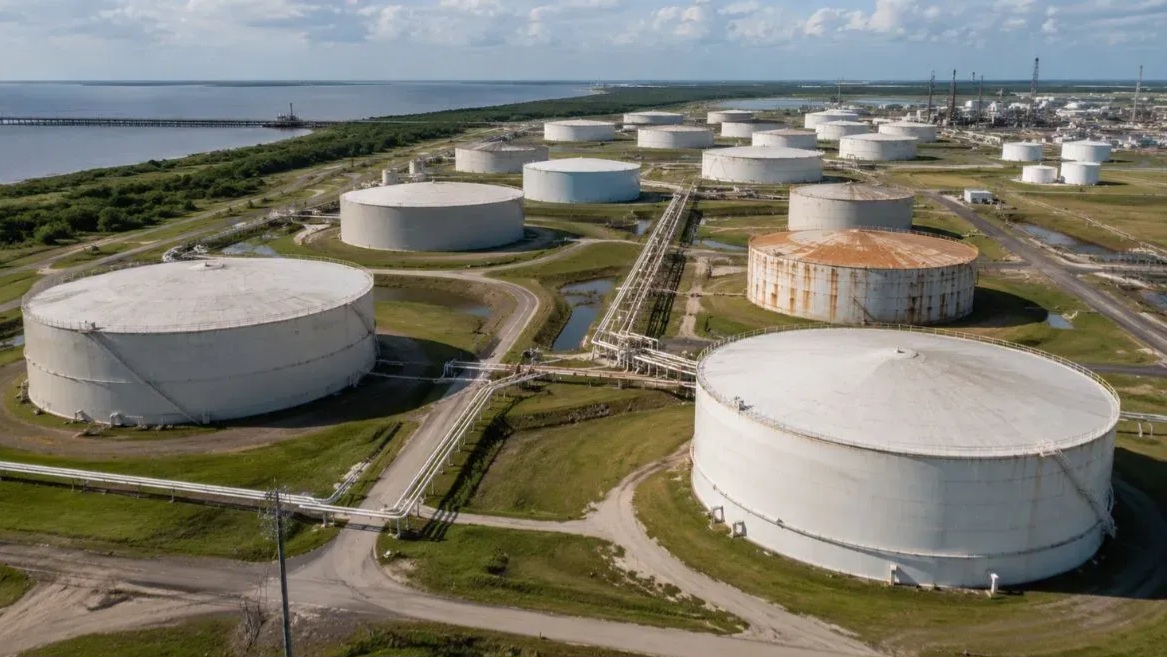
That puts the stockpile at less than 45% of its 714 million-barrel authorized capacity stored across four sites in underground salt caverns along the US Gulf Coast in Texas and Louisiana.
The reserve was created after the 1970s oil embargo to provide the United States with an emergency supply of crude during wars, major disruptions, and other crises.
It was never intended to replace normal oil production indefinitely. Instead, it was designed to give markets and governments time to adjust when global supply is suddenly cut.
That role has been tested heavily in 2026. In March, President Donald Trump authorized the Department of Energy to release 172 million barrels over approximately 120 days.
The move was part of a wider 400 million-barrel coordinated emergency action with other members of the International Energy Agency.
The releases were meant to offset disruptions caused by the Middle East conflict, including restrictions on shipping through the Strait of Hormuz and production problems at major Middle Eastern exporters.
While the releases helped inject supply into a jittery market, they also rapidly reduced the amount of crude remaining in the US emergency stockpile.
The latest drawdown now leaves policymakers with less flexibility if the conflict intensifies again or if another major disruption occurs before the reserve can be replenished.
Rebuilding stocks takes time and becomes expensive when oil prices are high, and the administration has only been able to buy back limited amounts when prices dip.
The timing of the low inventory is significant because geopolitical risk is rising again. On July 8, renewed US-Iran tensions drove Brent crude futures up 5.2% to settle at $78.02 a barrel, after trading above $80 during the session. The spike showed how quickly oil markets react to headlines from the region, even after earlier periods of relative calm.
Iran is central to the current risk for two reasons. First, as a producer, Tehran still holds millions of barrels in floating storage and has the capacity to add more than 1 million barrels per day to global supply if sanctions are eased. But if conflict escalates, that oil would be taken off the market instead.
Second, Iran sits next to the Strait of Hormuz, through which an average of about 20 million barrels per day of crude oil and petroleum products passed in 2025. That represents roughly a quarter of all seaborne oil trade globally. Any disruption to the waterway forces major importers to compete for replacement barrels, which pushes up international benchmark prices.
The United States is the world’s largest oil producer and imports relatively little crude directly through Hormuz. In 2025, oil from the Middle East Gulf made up only 8% of US crude imports, far behind supplies from Canada. But because oil trades in a single global market, American refiners and consumers are still exposed. When global supply is squeezed, US domestic prices respond too.
That dynamic has already hit American drivers this year. The national average price of regular petrol was $2.98 per gallon in late February before climbing sharply as the Middle East conflict disrupted global flows.
Higher crude costs also ripple through the economy by raising expenses for refiners, airlines, shipping companies, and trucking firms. Those costs eventually show up in higher fuel, travel, and goods prices for consumers.

The SPR still contains hundreds of millions of barrels and remains one of the largest emergency crude stockpiles in the world. But its effectiveness depends on the scale and duration of a crisis. A reserve can offset temporary disruptions, but sustained releases reduce the government’s ability to respond to a second emergency.
For Washington, the challenge is now balancing immediate market support with the need to preserve enough crude for future shocks. With the reserve at a 1983 low and Iran risks returning to the forefront, that decision has become more difficult.
The Department of Energy says it remains committed to refilling the SPR when market conditions allow and is working to modernize facilities for faster drawdowns, but officials acknowledge it will take years to return to pre-2022 levels.
As oil markets watch the Middle East closely, the US is entering this period with a much thinner buffer than it has had in decades.