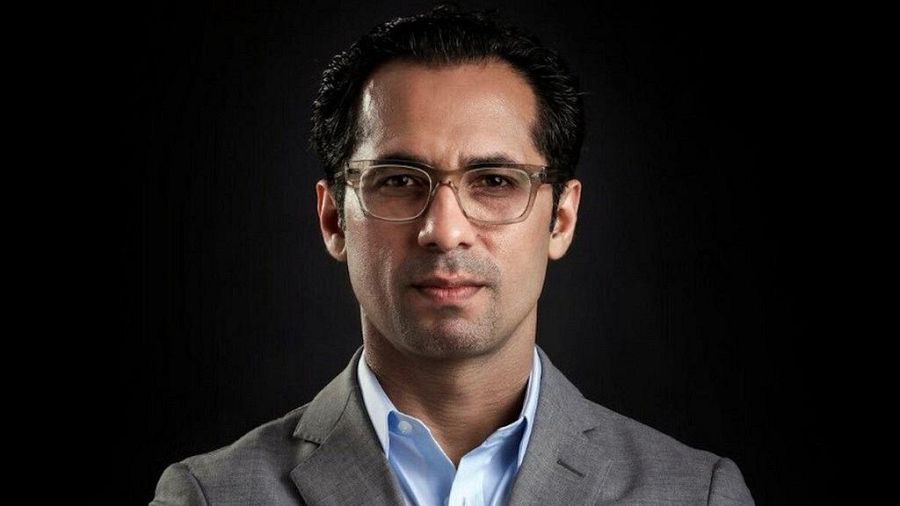
Tanzanian billionaire Mohammed Dewji has pledged to inject USD 100 million (approximately KES 12.9 billion) into Aliko Dangote’s ambitious proposed oil refinery in Lamu, Kenya, underscoring the immense private sector confidence in what is slated to become East Africa’s largest and most transformative petrochemical processing complex.
Speaking in an interview on Thursday, July 9, the president of the MeTL Group praised Dangote for successfully delivering Nigeria’s massive refinery.
He said investments of this nature are critical in helping African countries reduce reliance on imported petroleum products by processing their own natural resources.
“I have spoken to Aliko. What he is doing in Nigeria is unbelievable. We cannot be dependent on imports. We need to use our resources, add value, refine and manufacture to become sovereign,” said Dewji.
The Billionaire admitted he would have preferred the East Africa refinery to be built in Tanzania, but maintained that he would still support the project if it proceeds in Kenya.
“I would lean more toward Tanzania than Kenya, but I will reach out to him and say that if he’s putting a refinery in East Africa, I will co-invest,” he said.
Popularly known as “Mo,” Mohammed Dewji is the owner and Chief Executive Officer of Mohammed Enterprises Tanzania Limited (MeTL Group), East Africa’s largest indigenous industrial conglomerate.
With an estimated net worth of KSh284.9 billion ($2.2 billion), Dewji is East Africa’s richest person and the region’s only dollar billionaire according to forbes.
Dewji's interest in the Lamu refinery comes just months after he revealed plans to expand his business footprint in Kenya with a KSh6.5 billion ($50 million) soft drinks manufacturing plant in Mombasa.
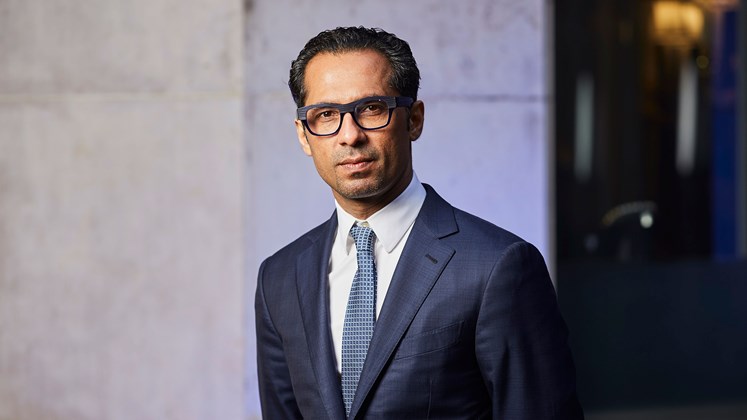
His remarks come days after Dangote Industries’ identified Kenya as the location for a proposed 700,000 bpd refining complex. The group’s oil and gas executive Devakumar Edwin said the project would form part of a broader strategy to lift combined refining capacity to 2.1 million barrels per day, comprising 1.4 million bpd in Nigeria and 700,000 bpd in Kenya.
According to details of the expansion strategy, Dangote also intends to invest an additional $46 billion between 2026 and 2028 across refining, cement and fertiliser operations.
Kenya’s emergence as the preferred location represents a shift from earlier regional discussions. In April, East African governments were considering a joint refinery at Tanga in Tanzania, with Aliko Dangote offering to lead the development if regional governments backed the project.
By May, however, Dangote was leaning toward Kenya, citing Mombasa’s deeper port, Kenya’s larger economy and stronger fuel demand.
The proposed plant would be far larger than Kenya’s historical domestic refining requirements and is therefore being positioned as a regional facility. Its potential markets include Kenya, Uganda, Tanzania, South Sudan and other parts of East and Central Africa.
That regional logic is central to the project. East Africa imports most of its refined petroleum products, leaving economies exposed to international freight costs, supply disruptions and global fuel-price shocks. A large refinery on the Kenyan coast could shorten supply chains and provide an additional source of petrol, diesel, jet fuel and other refined products for the region.
The concept has become more commercially significant as Dangote’s Nigerian operation has demonstrated the scale of the group’s refining ambitions. The Lagos facility has already processed 700,000 barrels per day in a performance test, exceeding its original 650,000 bpd nameplate capacity.
Dangote is also working to double Nigerian refining capacity. The company has said a new 700,000 bpd unit could come online by the end of 2028, after which a Kenya refinery would take the group’s total potential capacity to 2.1 million bpd.
Speaking on Friday July 10, during the launch of the second phase of the government’s Nyota youth empowerment programme, President William Ruto said he had reached an agreement with Dangote to proceed with the refinery, which will be built in the coastal county of Lamu.
The president said the facility would serve not only Kenya but also regional markets including Ethiopia, South Sudan, Uganda, Tanzania, Rwanda, Burundi and the Democratic Republic of Congo, positioning Kenya as a major energy hub while reducing East and Central Africa’s reliance on imported refined petroleum products.
Earlier estimates placed the East African refinery’s cost at about $15 billion to $17 billion. That would make it one of the largest industrial investments ever attempted in the region.