Tanzania has firmly cemented its position as one of Africa's most powerful tourism economies, with the sector generating a record 4.41 billion US dollars in 2025, equivalent to roughly 11.598 trillion Tanzanian shillings.
According to the 2025 International Visitors’ Exit Survey Report recently released by the Bank of Tanzania (BOT), tourism earnings rose 13% to USD 4,410.6 million in 2025 from USD 3,903.1 million in 2024.
Beyond the headline figure, the data reveals a country that is not merely welcoming more tourists, but successfully attracting higher-spending travellers, a strategic shift that carries important lessons for tourism boards and trade professionals across the sub-Saharan region.
The East African country welcomed 2,294,495 international tourists, up 7.1% from 2,141,895 in the previous year. BOT data shows average expenditure per person per night jumped 19.1% to USD 289 from USD 243, meaning the gain was driven mainly by yield rather than volume.
On the Mainland, average daily spending per visitor jumped 19 per cent to 289 US dollars, up from 243 US dollars in 2024. In Zanzibar, average expenditure rose 9.2 per cent to 274 US dollars per visitor per night, from 251 US dollars a year earlier.
Leisure travel remains the backbone of the industry, with holidaymakers generating 4.23 billion US dollars, or 95.9 per cent, of the country's total tourism receipts.
Business tourism contributed a comparatively modest 42.2 million US dollars, revealing both the sector's dependence on leisure demand and, more importantly, the significant untapped potential in meetings, incentives, conferences and exhibitions (MICE).
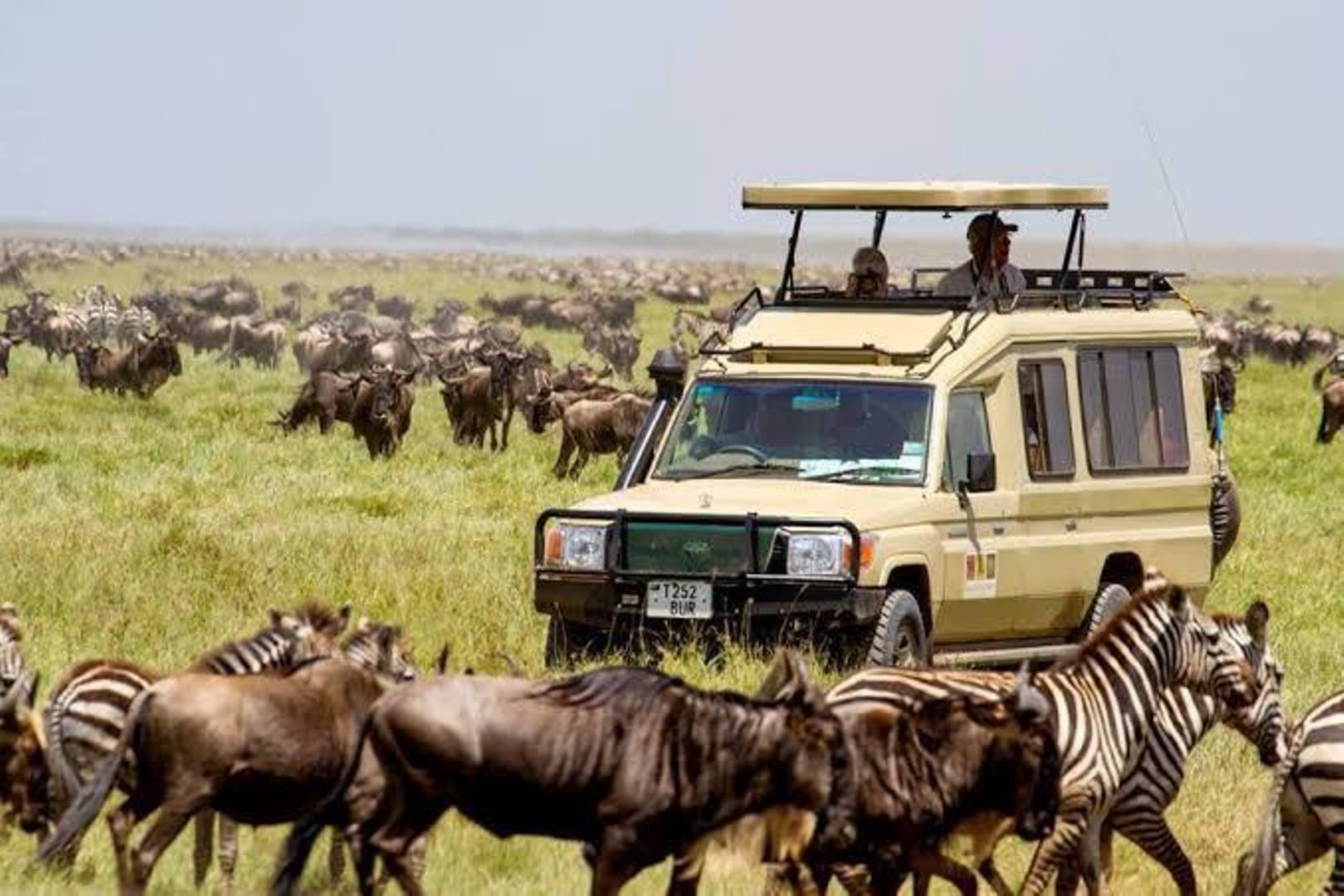
Package tour clients accounted for 75.2 per cent of total tourism earnings, reflecting the enduring strength of organised safari and beach holidays as the country's flagship products.
The United States retained its position as Tanzania's leading source market, accounting for 12.4 per cent of international arrivals, followed by Italy at 11.8 per cent, France at 7.0 per cent, Kenya at 6.4 per cent and the United Kingdom at 6.0 per cent.
When it comes to spending power, Chinese visitors led all markets with average daily expenditure of 492 US dollars per person, followed by travellers from Zimbabwe at 346 US dollars and the United States at 345 US dollars.
Hunting tourists topped the spending charts at 711 US dollars per person per night, ahead of cultural tourists at 537 US dollars and wildlife safari visitors at 452 US dollars.
Holidaymakers largely preferred package tour arrangements, while business travellers and visitors coming to see friends and relatives mostly used non-package arrangements.
The survey shows that the average length of stay was nine nights in Tanzania Mainland and six nights in Zanzibar.
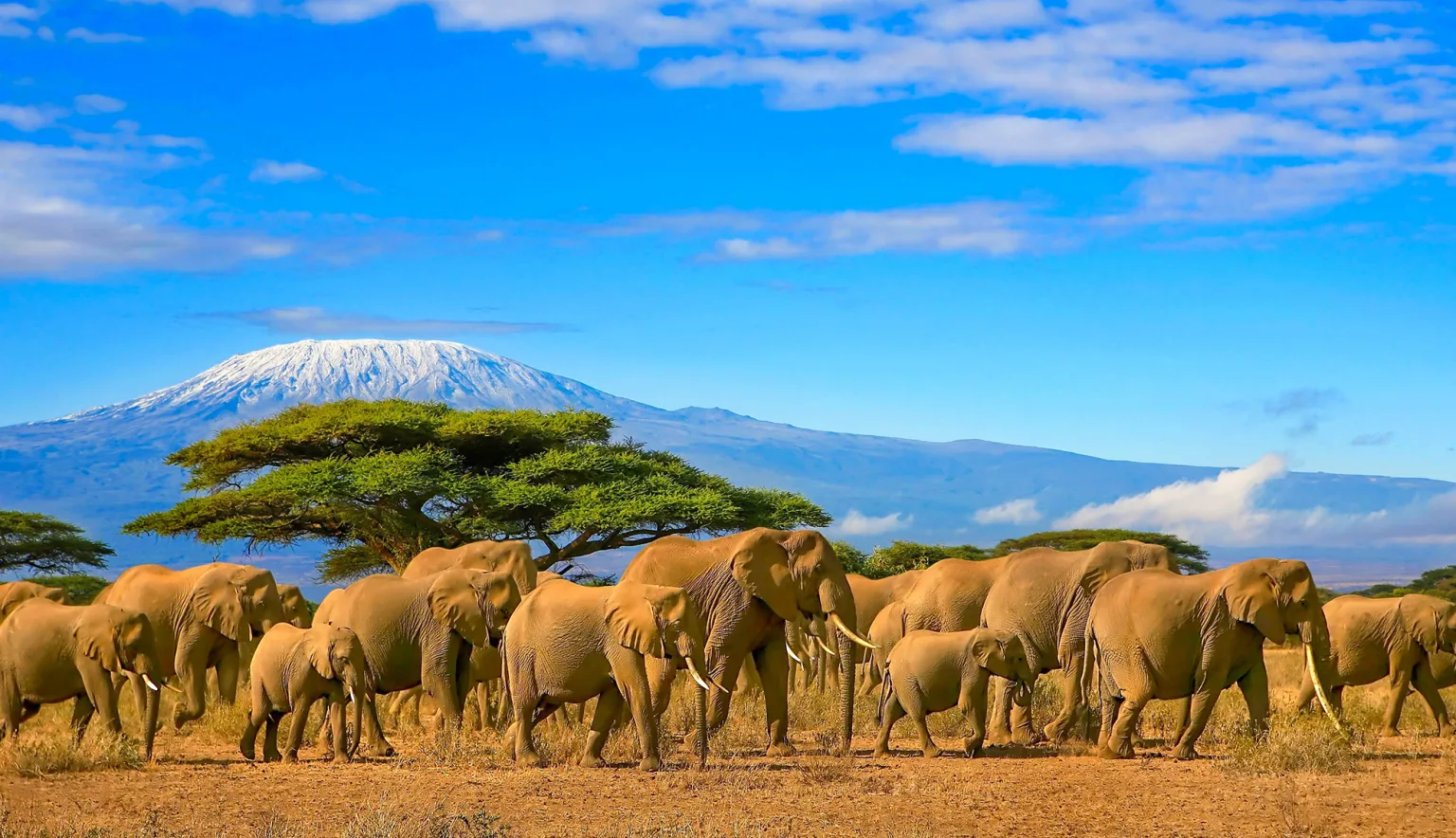
Wildlife safaris, beach tourism, visiting friends and relatives, and business activities remained some of the main reasons for travel.
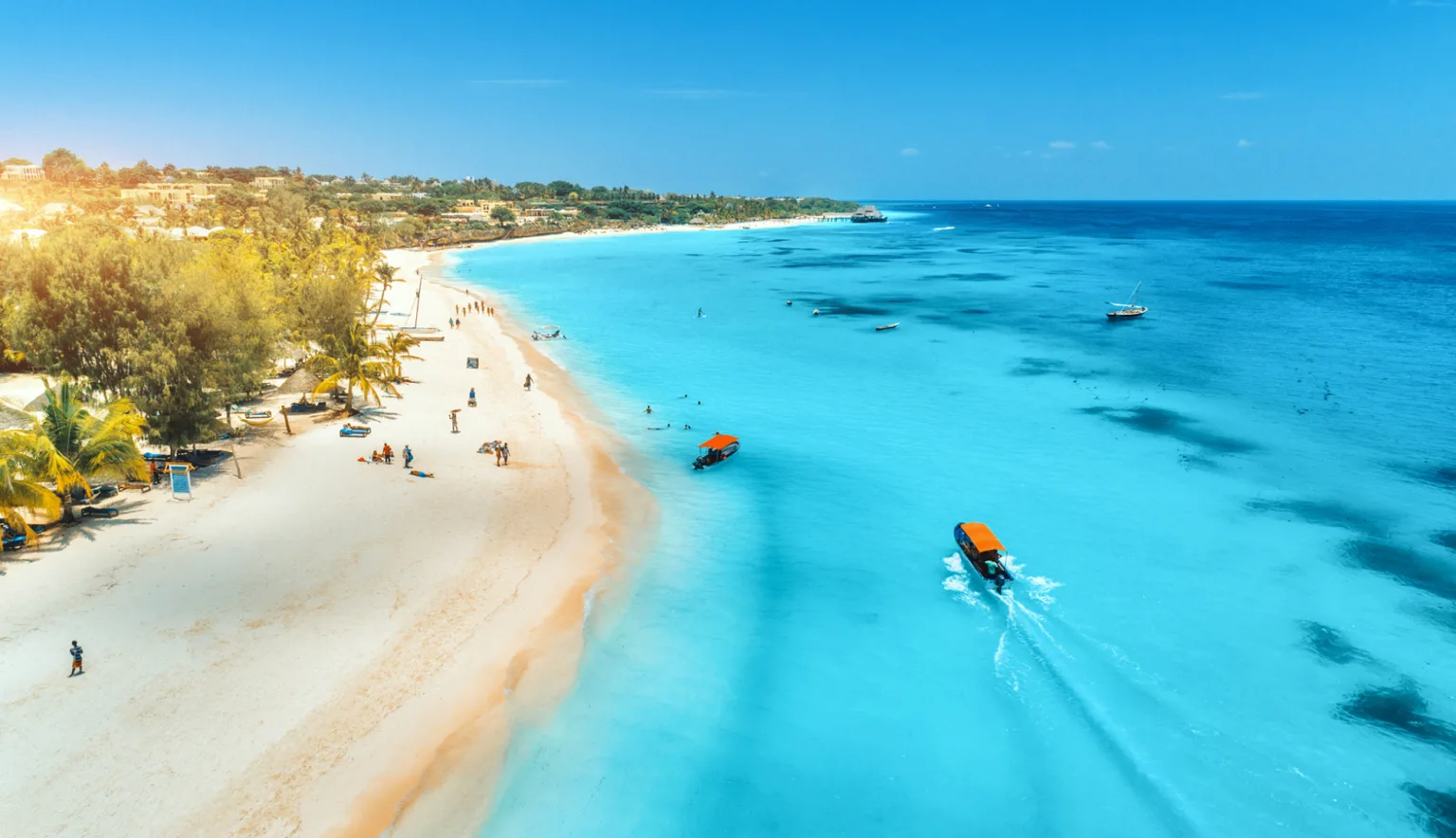
Ngorongoro, Serengeti, Stone Town, beaches and Tarangire continued to rank among the most visited attractions.
The BoT said the sector’s performance reaffirmed tourism’s role as a major contributor to foreign exchange earnings and overall economic development.
Tourism is the country's primary source of foreign exchange, generating 25% of total foreign exchange earnings, 22.4% of total exports, and 17.2% of GDP in 2024, while supporting roughly 3.6 million direct and indirect jobs.
Officials attribute the growth to sustained international marketing efforts. The Royal Tour and Amazing Tanzania film campaigns are some of the key drivers that have repositioned the country as a leading safari and leisure destination.
Tanzania has since won the titles of Africa’s Leading Destination and World’s Leading Safari Destination, and will host the World Tourism Awards in December 2026.
The government is seeking to broaden tourism’s contribution to the economy by developing new products, including meetings, incentives, conferences and exhibitions (MICE) tourism, as well as marine and beach tourism, heritage tourism, sports tourism, cultural tourism and ecotourism.