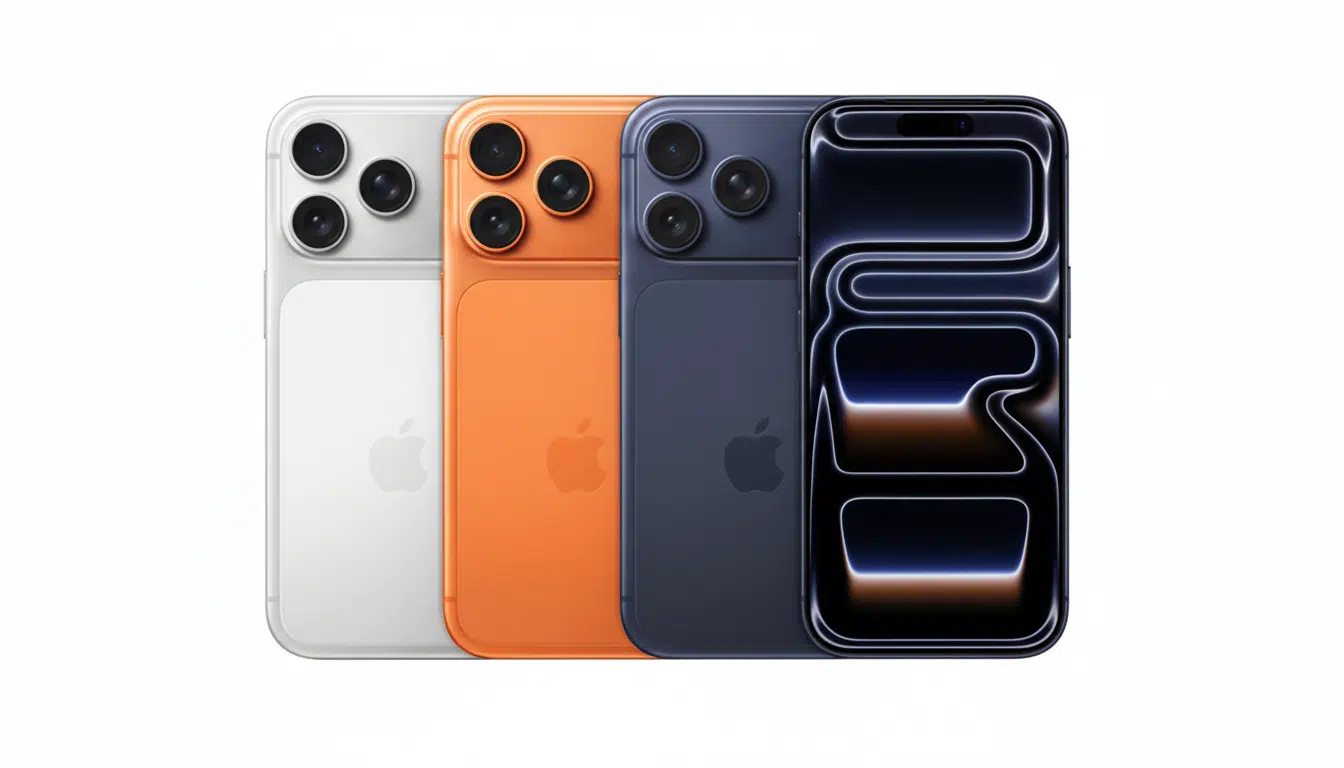
The iPhone’s single‑store era is ending in key markets. Thanks to new competition rules in Europe and fresh mandates in Japan, alternative app stores are now live on iOS, bringing new storefronts, business models, and discovery tools that challenge the status quo while still threading Apple’s security requirements.
Apple continues to notarize apps for baseline safety checks, but third‑party marketplaces set their own policies, curate their own catalogs, and handle customer support and refunds. The result is a fast‑growing patchwork of iOS marketplaces, each betting that better economics or better discovery can win over both developers and users.
What changed in the EU and Japan for iOS apps
The European Union’s Digital Markets Act requires “gatekeepers” to allow alternative app distribution and payments. Apple’s response introduces new “alternative terms” for EU distribution, including a Core Technology Fee of €0.50 for each first annual install of a marketplace app from the very first install, as well as notarization to ensure apps meet baseline platform integrity standards.
In Japan, Apple announced compliance with the Mobile Software Competition Act, enabling developers to distribute apps and process payments outside the App Store. Under those terms, Apple’s commission ranges from 10% to 21%, with an additional 5% payment processing fee for Apple in‑app purchases, a 5% core technology fee, and a 15% store services commission on qualifying web sales initiated via app links.
Meet the new iOS marketplaces gaining traction
AltStore PAL: Co‑created by Riley Testut, known for the Delta emulator, this open source marketplace embraces a grassroots model. Developers self‑host their apps by publishing an alternative distribution packet and sharing a “source” that users add to AltStore. That makes the catalog user‑driven, with popular additions including UTM (virtual machines on iOS), OldOS (a SwiftUI recreation of iOS 4), Kotoba (dictionary), iTorrent, qBitControl, and PeopleDrop, alongside Delta and the Clip clipboard manager.
Epic Games Store: Epic returned Fortnite to iOS in the EU via its own store, also promising more titles like Rocket League Sideswipe and Fall Guys. Beyond its own marketplace, Epic is supporting distribution through others, including a grant to AltStore PAL and planned listings on Aptoide’s iOS store. The strategy follows years of high‑profile disputes over platform fees and policies.
Aptoide: A veteran alternative to Google Play, Aptoide’s EU iOS store is now broadly available after an invite‑only start. The company says it scans submissions for safety and funds Apple’s platform fees by taking a 10% to 20% commission on in‑app purchases, depending on who drives the transaction. Across platforms, Aptoide reports a catalog of about 1 million apps and more than 430 million users, a scale advantage as it builds its iOS lineup.
Mobivention: A B2B‑focused marketplace for companies that need to distribute internal apps to employees without listing them in Apple’s App Store. It also builds custom corporate stores and licenses its technology to large enterprises that want deeper control over branding and distribution.
Skich: A consumer app store with a Tinder‑style discovery interface where users swipe to “match” with apps, assemble playlists, and see what friends are playing. Skich takes a 15% commission and has been courting developers to seed its early catalog.
Onside: Live in the EU and now available in Japan under the new rules, Onside pitches lower developer rates while maintaining security and privacy around payments. It supports bank cards and Apple Pay today, with plans to add methods like iDEAL and Klarna. For users, it offers editorial collections, ratings and reviews, and automatic updates for a familiar app store feel.
Setapp Mobile: MacPaw briefly operated a subscription‑based iOS marketplace in the EU before shutting it down, citing Apple’s evolving and complex business terms. The retreat underscores how alternative stores must balance curation and consumer value with the new cost structure.
Fees, commissions, and the fine print for developers
For developers, the economics now vary by market and by store. In the EU, the Core Technology Fee can add meaningful overhead for marketplace operators, while store commissions range widely: Aptoide’s 10% to 20%, Skich’s 15%, and Onside’s lower‑than‑App‑Store promise. Epic’s approach leverages first‑party distribution to reduce the take on its own titles. In Japan, Apple’s tiered commissions plus the 5% processing and 5% core technology fees reshape the calculus for apps that use Apple’s pipes.
For consumers, most marketplaces are free to browse, with payments handled through cards, Apple Pay, or store‑managed processors. Some stores absorb Apple’s fees; others recoup costs via commissions or subscriptions. Expect regional eligibility checks, new installation prompts, and permission screens as part of the onboarding flow.
Security reviews and consumer protections
Apple’s notarization aims to keep malware out by enforcing baseline integrity standards, while each marketplace conducts its own policy review and curation. Aptoide highlights automated scanning; Epic and Onside emphasize editorial oversight and familiar trust signals like ratings and reviews. Crucially, customer support and refunds are handled by the marketplace, not Apple, so accountability and response times may differ store to store.