Apple has issued a series of urgent, critical security updates to patch a sophisticated exploit dubbed Coruna. While the headlines often focus on the newest flagship models, this emergency release specifically targets older devices that remain in widespread daily use, including the iPhone 8, iPhone X, and earlier iterations. The stakes for this update extend far beyond simple software performance improvements.
Cybersecurity researchers and Apple engineering teams have identified that the Coruna exploit leverages a complex, chained sequence of 23 distinct vulnerabilities to bypass the hardened security defenses of the iOS operating system. For the informed global citizen—and particularly for the mobile-first economy, where digital banking is not just a convenience but a primary lifeline—this update is not merely an optional maintenance task. It is a vital perimeter defense against state-level surveillance tools and sophisticated financial cybercrime syndicates.
The Anatomy of the Coruna Threat
The Coruna exploit represents a new tier of digital aggression. Rather than relying on a single, isolated bug, it chains multiple vulnerabilities to gain escalating levels of access. At its core, the exploit targets the WebKit engine, the foundational framework that renders web content in Safari and other browsers. By manipulating memory management within the Kernel—the central nervous system of the iOS—attackers can execute arbitrary code with elevated privileges, effectively seizing control of a device without the user ever interacting with a malicious link or downloading a suspicious file.
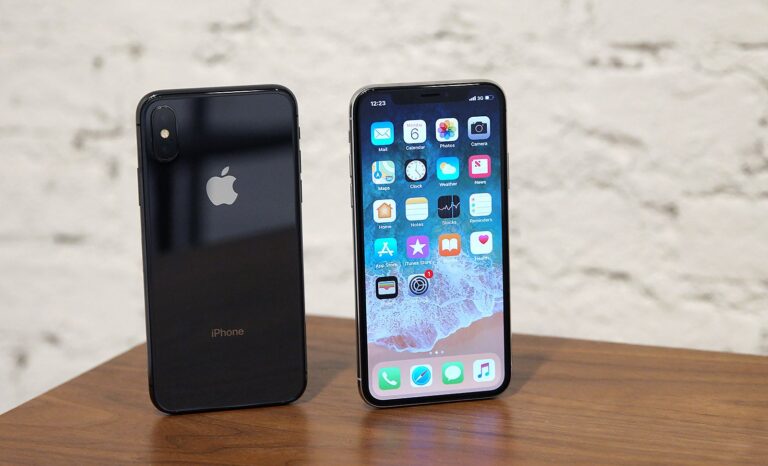
According to security disclosures released this week, the exploit chain was meticulously crafted to bypass existing security barriers that usually protect user data. While the vulnerability was previously addressed in newer versions of iOS released late last year, these latest updates—specifically iOS 16.7.15 and iOS 15.8.7—extend that critical protection to older hardware that had, until now, been left exposed. The following devices are explicitly impacted and require an immediate update:
iPhone 8 and iPhone 8 Plus: Critical kernel and WebKit patches required.
iPhone X: Susceptible to remote code execution update mandatory.
iPad 5th Generation and Pro 1st Generation: Shared vulnerability profiles necessitating patching.
iPhone 7 and iPhone 6s: Included in the extended support window due to the severity of the exploit.
Defensive Action for Every User
The mechanism of the attack, often referred to as "zero-click" in extreme cases, requires the user to do nothing more than browse the web to initiate the infection. Therefore, the defense must be equally proactive. Apple’s release of iOS 16.7.15 and iOS 15.8.7 serves as a stern reminder that hardware longevity is meaningless without software vigilance. Users who believe their older iPhone is "safe because it is old" are, in fact, the most vulnerable targets.
To verify the security status of any device, users must navigate immediately to the Settings menu, select General, and then tap Software Update. If the device reports that it is up to date on an older version, ensure that the specific patches mentioned above are installed. Experts caution that enabling automatic updates is no longer an optional convenience but a fundamental requirement for digital citizenship in a connected age. Neglecting these updates creates a persistent opening for actors who view every unpatched device as a potential conduit for financial theft or invasive surveillance.
As the digital landscape evolves, the barrier between physical safety and cybersecurity has effectively dissolved. A secure device is the bedrock of a secure livelihood. When the prompt for an update appears, it is a direct notification that the world’s most sophisticated digital architects are working to close a door that has been left wide open. The question remaining for every user is not whether the patch is necessary, but how quickly they are willing to secure their digital life before a malicious actor does the work for them.