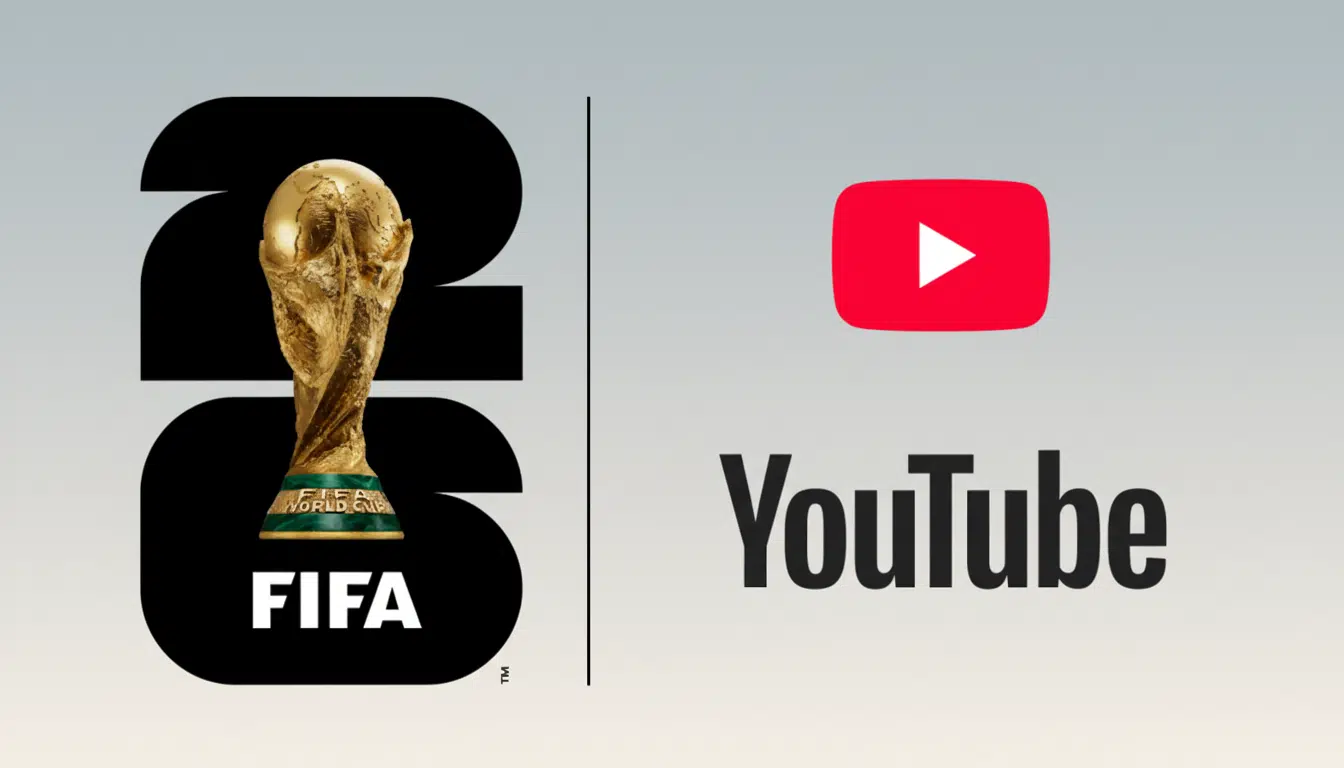
FIFA and YouTube have struck a new partnership that makes YouTube a Preferred Platform for the upcoming men’s World Cup, opening the door to more official match content than ever on the world’s biggest video site. Fans will see live openings of every match, select full-game streams from rights holders, and a flood of extended highlights, behind-the-scenes footage, Shorts, and on-demand coverage across official channels.
Under the agreement, FIFA’s broadcast and media partners are cleared to stream the first 10 minutes of every match on their YouTube channels. Those same partners will be able to show a limited slate of full 90-minute matches, with specifics determined by each partner and territory. YouTube has not specified how many full games any one partner can carry, signaling that availability will vary by country and rights package.
Beyond live windows, the plan leans heavily into video formats that fans already binge on YouTube. Expect official extended highlights shortly after the final whistle, training-ground access, tunnel cams, tactical breakdowns, and creator-friendly Shorts optimized for mobile. FIFA’s own channel will continue to serve up classic matches and iconic moments for viewers who want historical context alongside the new tournament storylines.
Importantly, this move doesn’t replace traditional broadcasters or subscription services; it complements them. Rights remain with national and regional partners, which means live content on YouTube will be geofenced and programmed by each broadcaster. Think of YouTube as the biggest free front porch to the tournament, not the entire house.
Why this YouTube and FIFA World Cup deal matters for fans
The upcoming tournament is the largest in men’s World Cup history, expanding to 48 teams and 104 matches. That scale creates a content challenge: more kickoffs, more storylines, more to keep up with. YouTube’s reach—over 2 billion logged-in monthly users, according to Google—positions it as the most practical hub for quick catch-ups and deep dives between fixtures.
Viewer demand is proven. FIFA reported that the most recent men’s World Cup final drew more than 1.5 billion viewers across platforms, while the broader tournament generated billions of video views globally. In parallel, Nielsen’s The Gauge has repeatedly ranked YouTube as the top streaming service by share of TV viewing in the United States, underscoring how many fans already default to the platform on living room screens.
Short-form access is pivotal. Those first 10 live minutes can capture national anthems, opening tactics, and the early chaos that often shapes a game’s narrative. Pair that with near-instant highlight packages and you get a fast, legal way to follow every matchday, even if you can’t watch a full 90.
What It Means For Broadcasters And Creators
For rights holders—think major networks and regional partners—YouTube becomes a powerful top-of-funnel tool. Live openings can funnel viewers to full broadcasts on TV or streaming apps, while clips and VOD nurture engagement between matches. Expect partners such as Fox Sports, TelevisaUnivision, Bell Media, the BBC, and others in their respective markets to leverage channel subscriptions, notifications, and sponsorships to maximize reach and revenue.
Creators also stand to benefit. While match footage is controlled, the avalanche of official clips, training content, and press access enables data-driven analysis, fan explainers, and language-localized commentary without stepping over rights boundaries. This symbiosis—official video feeding creator ecosystems—helped supercharge interest in recent tournaments and should accelerate again.
Monetization strategies and the broader rights context
Expect a mix of ad-supported streams, branded integrations, and sponsorships across official channels. YouTube’s shopping, membership, and live ad formats give partners flexible ways to package content. The specifics will differ by territory, and some features may be disabled on certain feeds, but the overall direction is clear: more official content on a platform built for discovery and engagement.
The partnership also reduces the gray-market incentive. When highlights and early match action are widely available through sanctioned channels, fans have fewer reasons to seek low-quality or unauthorized uploads—good news for rights integrity and viewer experience alike.