Mid-range smartphones built around the $500 sweet spot are running into a wall, and that wall is memory. As DRAM prices climb and supply tightens, manufacturers are quietly reshaping what $500 buys — holding RAM flat, trimming cheaper configs, and nudging buyers toward pricier tiers without calling it a price hike.
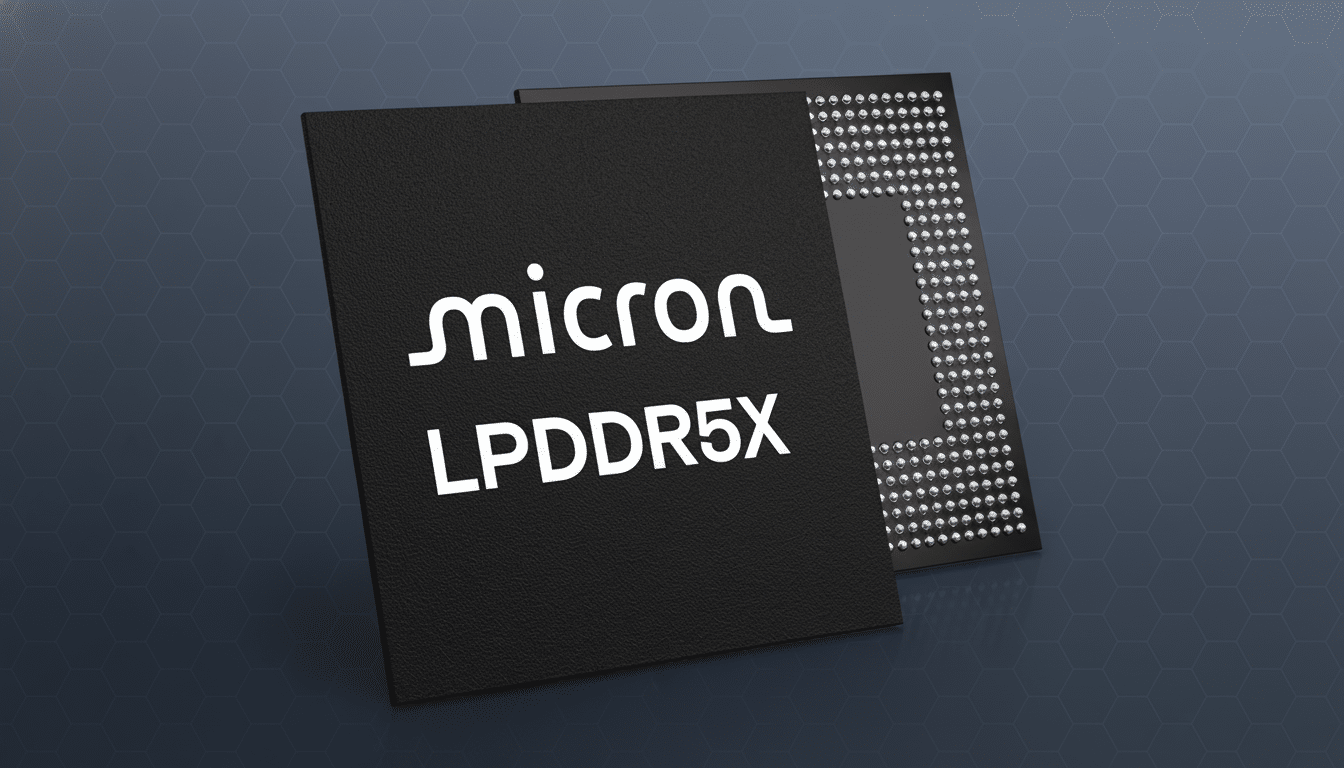
The squeeze starts upstream. According to supply chain trackers, DRAM prices swung sharply higher over the past year as chipmakers diverted capacity to feed booming AI demand. High-bandwidth memory (HBM) used in AI accelerators delivers far better margins than phone-grade DRAM, so suppliers from Samsung to SK hynix and Micron reoriented output toward data centers. With HBM lines sold out and advanced packaging in short supply, knock-on effects hit commodity DRAM and LPDDR5/LPDDR5X used in phones.
That realignment leaves handset makers bidding for a smaller pool of mobile memory at higher prices. It’s not just the chips themselves — controller costs, testing, and logistics all tick up when supply is tight. For mid-range phones where every dollar matters, rising memory bills quickly become the difference between hitting a $499 sticker and missing it.
Flagships can absorb higher bill-of-materials costs with broader margins or by bundling larger storage to move customers up a tier. The $500 class doesn’t have that cushion. So we’re seeing three defensive tactics:
First, stalled RAM upgrades. Many mainstream models that might have jumped from 8GB to 12GB are staying put at 8GB, even as software and on-device AI features push memory needs higher. Look across recent mid-range launches and you’ll spot 8GB holding firm, while 12GB increasingly sits behind a higher trim level.
Second, quiet price inflation. Cheaper base variants vanish, replaced by “new” base models with more storage at a higher ticket — effectively lifting entry prices without rewriting the price tag of the hero SKU. It’s the same trick premium phones used when 128GB options started disappearing; now the mid-range is learning it, too.
Third, older memory where possible. Brands targeting value seekers are mixing in LPDDR4X on entry trims or pairing modest DRAM with aggressive virtual RAM marketing. It helps the spec sheet, but swap files on slower storage won’t match real RAM for multitasking under load.
On-device AI is the year’s headline feature, but it’s memory hungry. Running larger language and vision models locally pulls hard on RAM and bandwidth, and the most responsive experiences typically arrive on devices with 12GB or more. That’s a tough fit when LPDDR5X modules cost more and supply is tight.
Expect a forked path: mid-range phones will keep touting AI, but many headline features will lean on the cloud where server-side costs are amortized across users. Premium tiers with bigger memory pools will showcase the faster, offline versions. The result isn’t the death of the $500 phone, but a reset of expectations about which AI tricks feel instant and which need a connection.
Global smartphone average selling prices have climbed while premium devices capture a growing share of revenue. That shift gives suppliers more reason to chase top-end margins, leaving the mid-range to fight for value. Meanwhile, data shows mobile DRAM contract prices moving up alongside broader DRAM markets — an unusual headwind for a category that typically rides annual cost declines to add features.
Combine those forces and the math is unforgiving: a double-digit rise in memory cost can wipe out much of the slim margin in a $500 handset. To hold the line, something else must give — RAM upgrades slip a cycle, storage options consolidate, or the sticker inches higher by $20–$50.
What savvy smartphone buyers should watch right now
RAM type and capacity: 8GB of LPDDR5/5X will usually outperform more “virtual RAM” bolted onto slower storage. If you multitask heavily, prioritize real RAM and faster memory types.
Storage tiers and pricing: If the 256GB model suddenly becomes the “base,” check last year’s pricing — you may be paying more in practice, even if the headline price looks familiar.
AI feature fine print: Offline versus online can be the difference between instant and laggy. Mid-range models may advertise the same features as flagships, but performance and limits can differ.
Long-term value: With hardware progress slowing, extended OS support, efficient chips, and reliable cameras may matter more than chasing the highest RAM number.