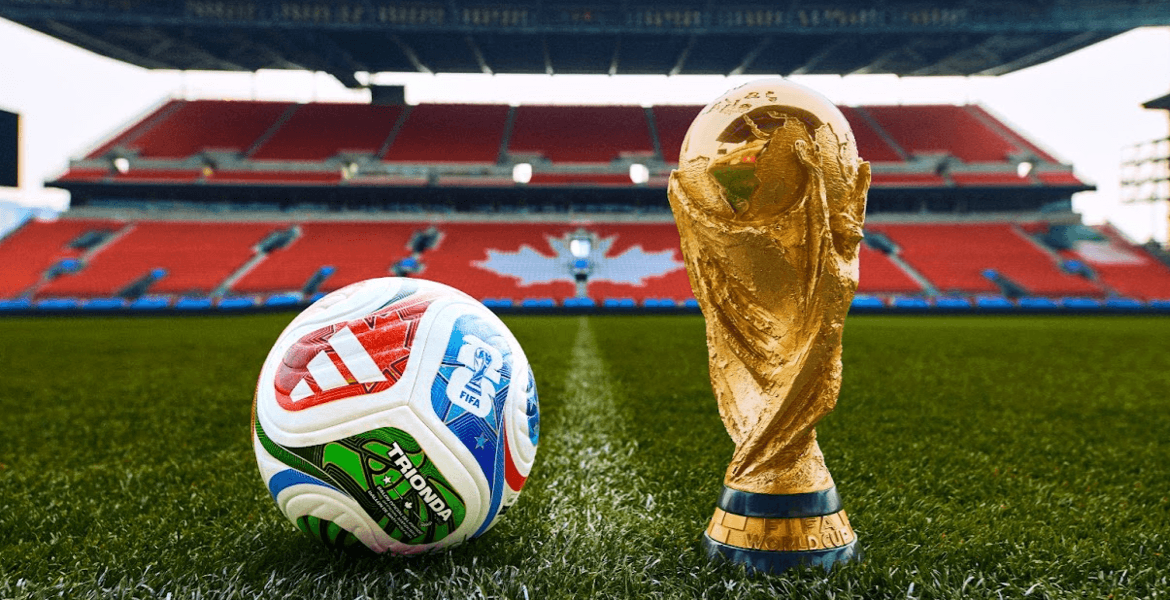
The 2026 FIFA World Cup will not only go down in history as the most extensive and ambitious to date, featuring 48 national teams and 104 matches, but also as the stage for a profound transformation in modern football regulations.
The tournament, which will be held simultaneously across the United States, Canadá and Mexico from June 11 to July 19, will integrate critical updates with the firm purpose of streamlining the game.
FIFA has confirmed a new set of rule changes ahead of the 2026 FIFA World Cup, signaling a major shift in how football will be played on the biggest stage. Unlike previous adjustments focused on tournament structure, these latest updates directly target gameplay, discipline, and time management.
The goal is clear: create a faster, fairer, and more controlled version of the sport. However, the reaction from fans and pundits has been sharply divided.
FIFA’s latest rules are centered on eliminating time-wasting and improving match flow. From substitutions to restarts, players will now be under tighter time constraints than ever before. Here are some changes fans, players and teams can expect :
Quick Substitutions to Eliminate Time-Wasting
One of the most impactful changes involves substitutions:
Players being substituted must leave the pitch within 10 seconds
Any delay results in the incoming player waiting one full minute before entering
The team will temporarily play with fewer players
This rule directly targets a common tactic used to slow down matches, especially in the closing stages. Teams protecting a lead can no longer afford deliberate delays, as it could leave them exposed defensively.
5-Second Restart Rule Speeds Up Play
FIFA has introduced a strict countdown on restarts:
Throw-ins and kick-offs must be taken within 5 seconds
Failure to comply leads to an automatic turnover of possession
Expect a faster tempo, fewer stoppages, and increased pressure on players to make quick decisions.
Medical Treatment Rule Tightened
To reduce unnecessary stoppages:
Players treated on the pitch must leave and remain off for at least one minute
Exception: If the injury was caused by a foul that results in a card, the player may stay on.
This discourages simulation and exaggeration while still protecting genuinely fouled players.
Expanded VAR Powers
The use of the Video Assistant Referee (VAR) has been broadened:
VAR can now review second yellow cards that lead to a red card
Officials can also intervene in cases of incorrectly awarded corner kicks
More decisions can be corrected, potentially reducing controversial moments—but possibly increasing interruptions.
Captain-Only Communication Rule
FIFA is also reinforcing discipline around referees:
Only the team captain is allowed to approach and speak to the referee
Other players who crowd the official risk receiving a yellow card
This rule aims to restore respect for referees and reduce chaotic confrontations during matches.
Why FIFA Is Making These Changes
FIFA’s objective is to:
Increase effective playing time
Reduce gamesmanship and delays
Improve referee authority and decision-making
Mixed Reactions from Fans and Experts
The announcement has sparked widespread debate across the football community.
Supporters Argue the rules will make matches more exciting and continuous, time-wasting tactics will be significantly reduced and referees will gain better control of the game.
Critics however warn some rules may feel too rigid and overly punitive, the 5-second restart rule could lead to harsh turnovers and expanded VAR powers might slow the game down instead of speeding it up.
If the goal was to modernize the game ahead of a historic tournament across the United States, Mexico, and Canada, then these updates make one thing clear: matches are about to feel very different. The real question now is whether players-and referees-will actually keep up with the changes once the tournament begins.