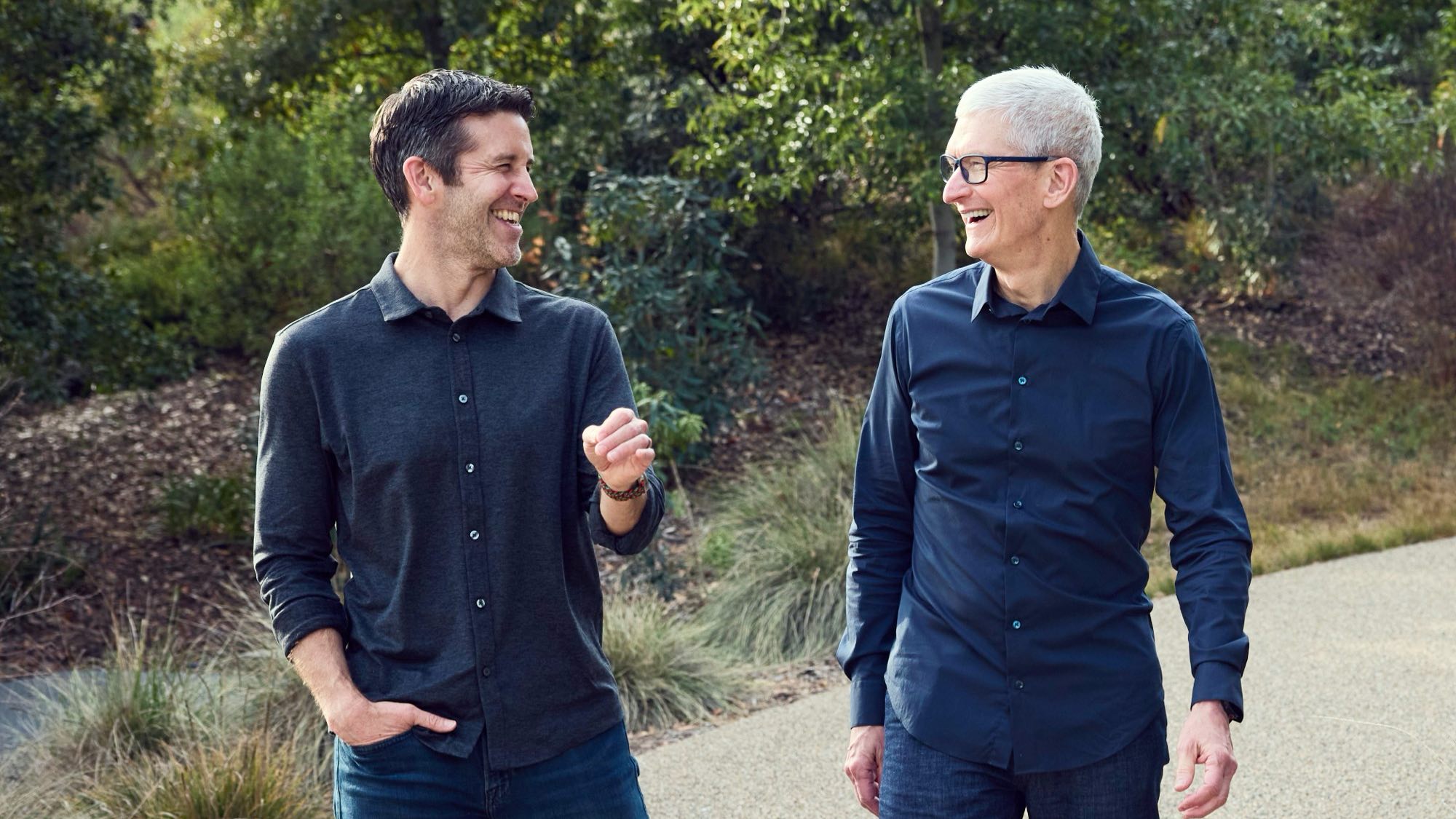
Apple Inc. has announced a leadership transition, with Tim Cook, the current Chief Executive Officer set to become Executive Chairman, while John Ternus will take over as CEO effective September 1, 2026. The transition, unanimously approved by the company’s Board of Directors, will see Cook continue in his role through the summer, working closely with Mr. Ternus to ensure a smooth transition.
Mr. Ternus, who currently serves as the Company’s Senior Vice President of Hardware Engineering, brings a wealth of experience to the role, having spent over 25 years at Apple. Mr. Cook expressed strong confidence in him, noting that he is the right person to lead the firm.
“John Ternus has the mind of an engineer, the soul of an innovator, and the heart to lead with integrity and with honor. He is a visionary whose contributions to Apple over 25 years are already too numerous to count, and he is without question the right person to lead Apple into the future,” said Mr. Cook.
On his part, Mr. Ternus expressed deep gratitude for the opportunity to lead the firm. He emphasized his commitment to advancing the company’s mission and expressed his optimism about Apple’s future.
“I am profoundly grateful for this opportunity to carry Apple’s mission forward. Having spent almost my entire career at Apple, I have been lucky to have worked under Steeve Jobs and to have had Tim Cook as my mentor. It has been a privilege to help shape the products and experiences that have change so much of how we interact with the world and with one another. I am filled with optimism about what we can achieve in the years to come,” said Mr. Ternus.
The Architect of Apple Silicon
Mr. Ternus has been a central figure in the company’s success over the last decade. Since joining Apple in 2001, Ternus has climbed the ranks to become the architect of the company’s most pivotal hardware transitions, most notably the shift to Apple’s proprietary Silicon M-series chips. This move, which decoupled Apple’s hardware performance from Intel’s roadmaps, is widely credited with the Mac line’s resurgence in market share and profitability.
Cook, who will transition to the role of Executive Chairman of the Board, leaves behind a legacy of operational excellence and mass-market expansion. Under Cook’s stewardship, Apple grew from a computer company into a global services and wearables behemoth, with the iPhone ecosystem becoming the central hub of digital life for billions. As Executive Chairman, Cook is expected to maintain an active role in external relations, particularly in navigating government relations and global policy, an area where his diplomatic influence has been vital.
Navigating the AI Frontier
The choice of a hardware-centric engineer like Ternus suggests Apple is doubling down on the "integrated" vision that has defined its product philosophy. Unlike competitors who have pivoted rapidly—and sometimes prematurely—toward generative AI software, Apple has maintained a disciplined, privacy-first approach. Ternus is tasked with ensuring that Apple’s AI integrations—whether on the iPhone 17, the Mac, or the wearable portfolio—remain physically optimized for the hardware.
Tech analysts argue that Ternus represents a "steady hands-on" approach. His leadership style, often described as collaborative yet precise, mirrors the operational calm that characterized the Cook era. However, the pressure remains high. The tech sector is shifting from mobile-first to AI-first architectures, and Apple must demonstrate that its next generation of devices can provide unique value beyond what can be accomplished via cloud-based software competitors.
What This Means for the Global Tech Ecosystem
The impact of this leadership change extends to global supply chains and the tech talent pool in emerging markets like Kenya. Apple’s supply chain management—the core of the Cook era—relies heavily on efficient logistics and manufacturing partnerships. Any shift in this strategy under Ternus will be felt by suppliers worldwide. Furthermore, as Apple continues to explore new avenues in the East African tech market, the new leadership’s willingness to engage with local digital infrastructure projects remains a key watchpoint for stakeholders in Nairobi’s vibrant Silicon Savannah.
Ultimately, the transition at Cupertino is not just about a change of face; it is about the long-term survival of the Apple brand. In selecting an insider who understands the engineering heart of the company, the board has opted for continuity over radical disruption. As September approaches, the tech world will be watching to see if Ternus can leverage Apple’s hardware mastery to define the company’s relevance in a future dominated by invisible, intelligent computing.